We take great pride in our experience, expertise, quality and customer service that we provide to meet the consumers needs. It is our mission to provide excellent workmanship and complete customer satisfaction from start to completion of a project. In order to understand the needs and expectations of our customers, we take great care to work and communicate with every customer in a professional manner. Our reputation is based on service, safety and quality, regardless of how large or small the job.
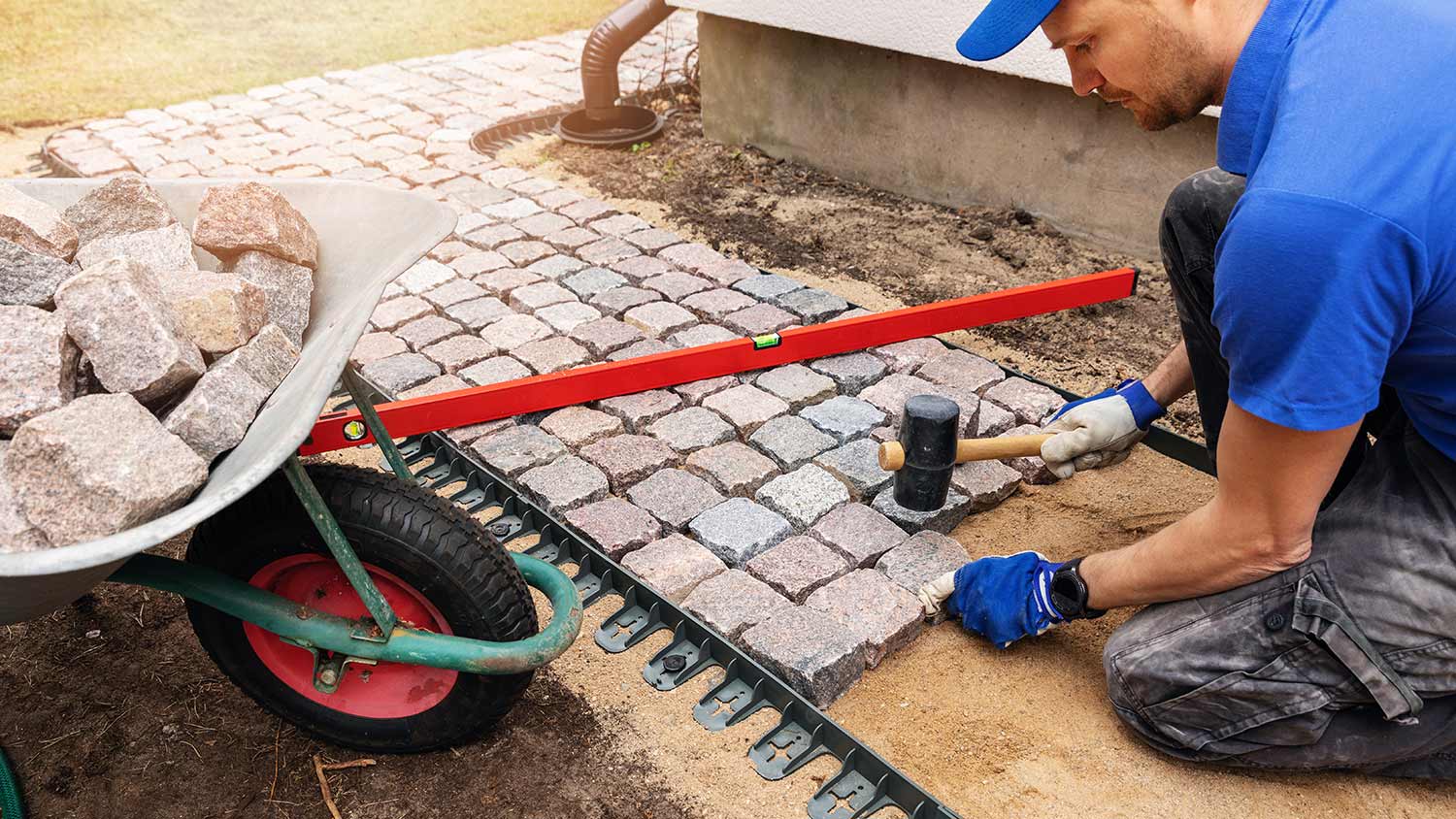
Whether you decide to DIY paver installation or want to hire a pro, it’s smart to understand the process. First, you’ll need to prepare the area by clearing away grass and dirt. Next, you’ll add the paver base of gravel and sand before laying the pavers on top. You may need to cut pavers to fit your space or the landscaping design and add edging stones.
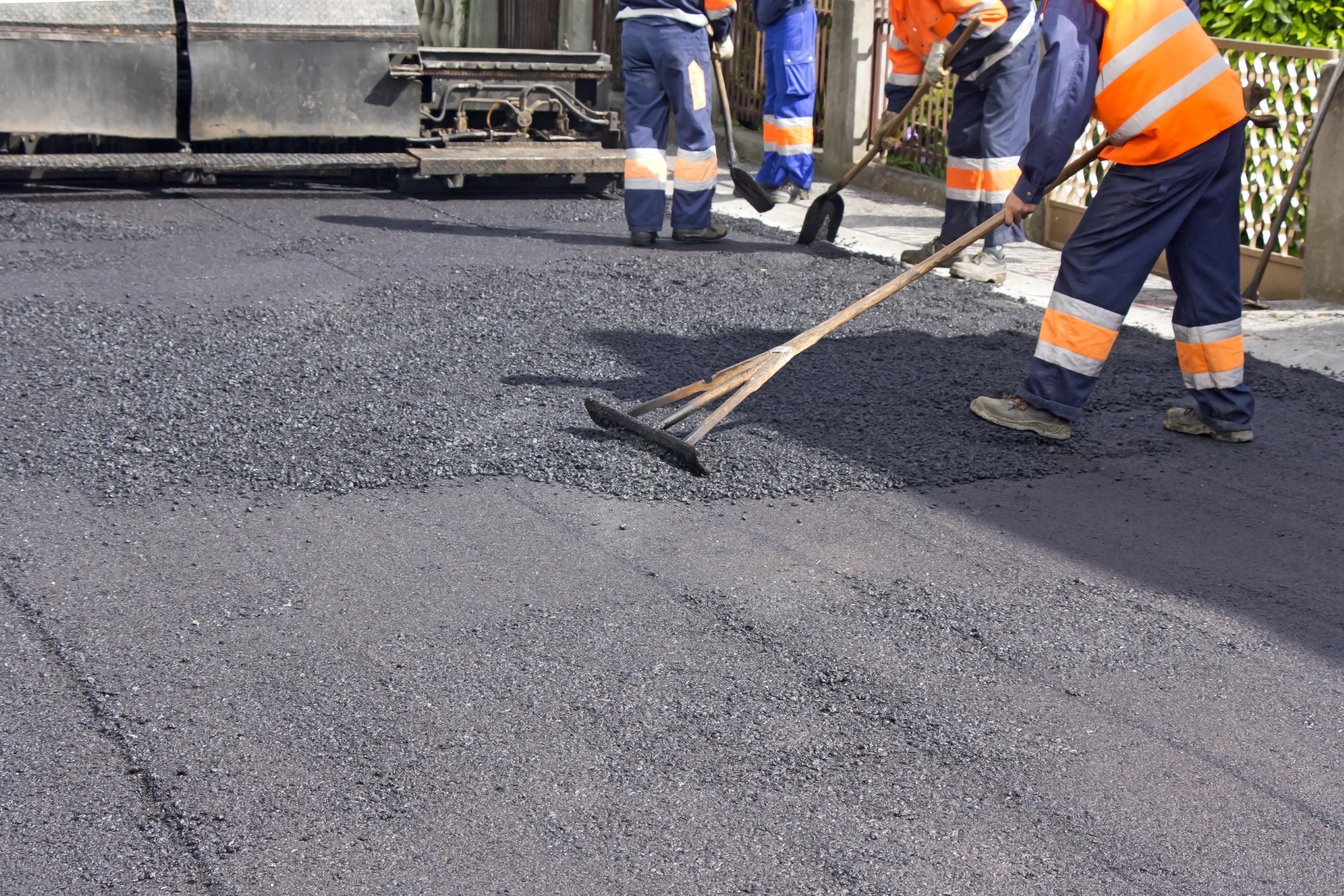
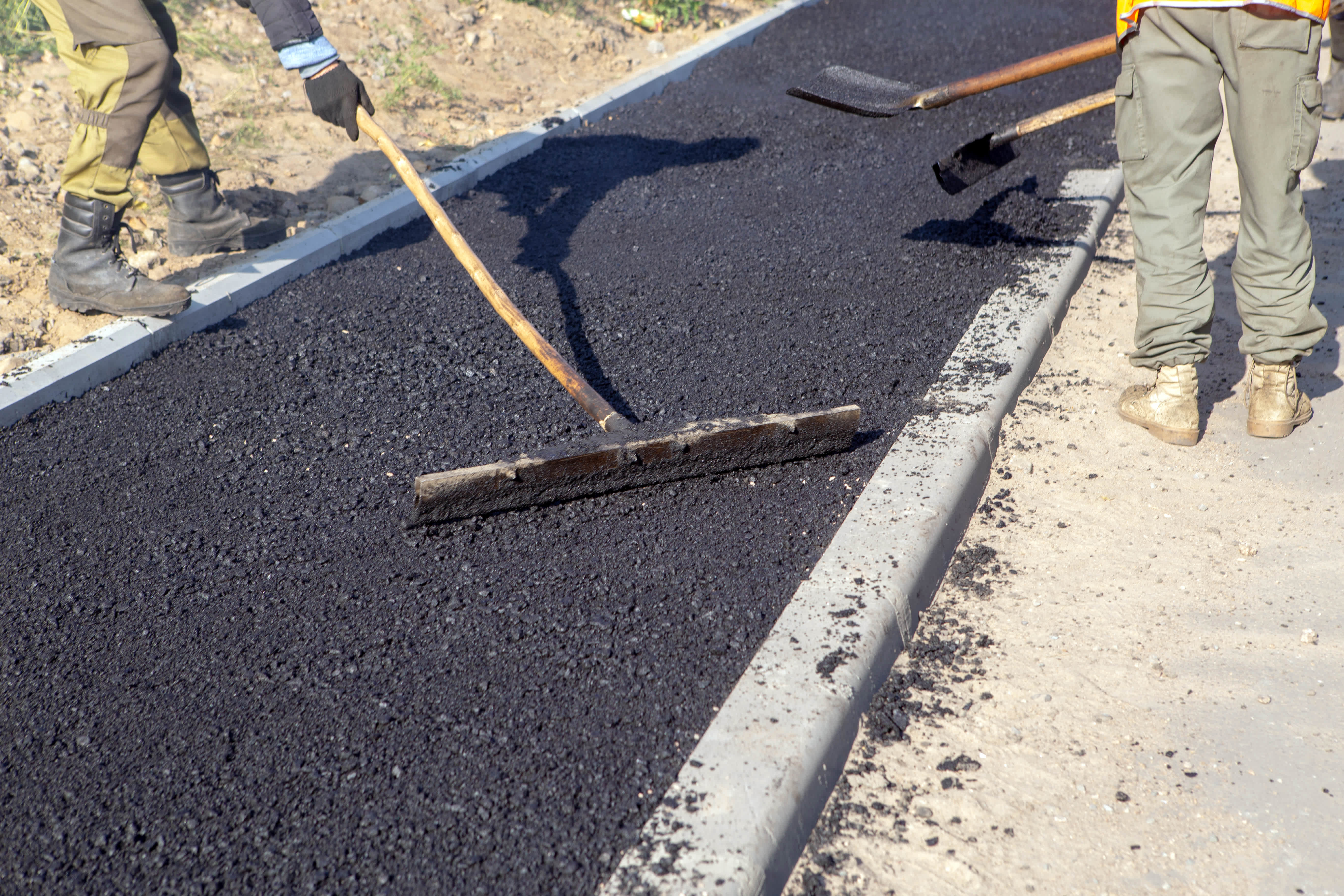
An asphalt driveway should be at least 3 inches thick over a compacted gravel base. Areas with poor drainage should have a thicker stone base. To install a new asphalt driveway over an existing driveway, the new asphalt should be at least 2 inches thick and the existing driveway should be in relatively good condition.
Pavers are a type of permeable hardscape that can be used for driveways, patios, walkways, and other landscaping features. Unlike poured concrete or asphalt, pavers typically have a layer of gravel underneath to prevent water runoff from damaging your property—though you can also lay pavers on grass. Because pavers are installed piece by piece, you can customize a one-of-a-kind hardscape that best suits your aesthetics, boosting your curb appeal along the way.
It is possible to DIY complete hardscaping projects, but in most cases, hiring a professional is best to get the job done correctly. Hardscaping—including installing patios, decks, retaining walls, walkways, and water features—is challenging and time-consuming, so the money you spend on a professional is typically worth it. Not only will the quality be better, but you could avoid problems that come along with a lack of hardscaping experience, like drainage issues that can lead to costly foundation damage and leaks in your home.
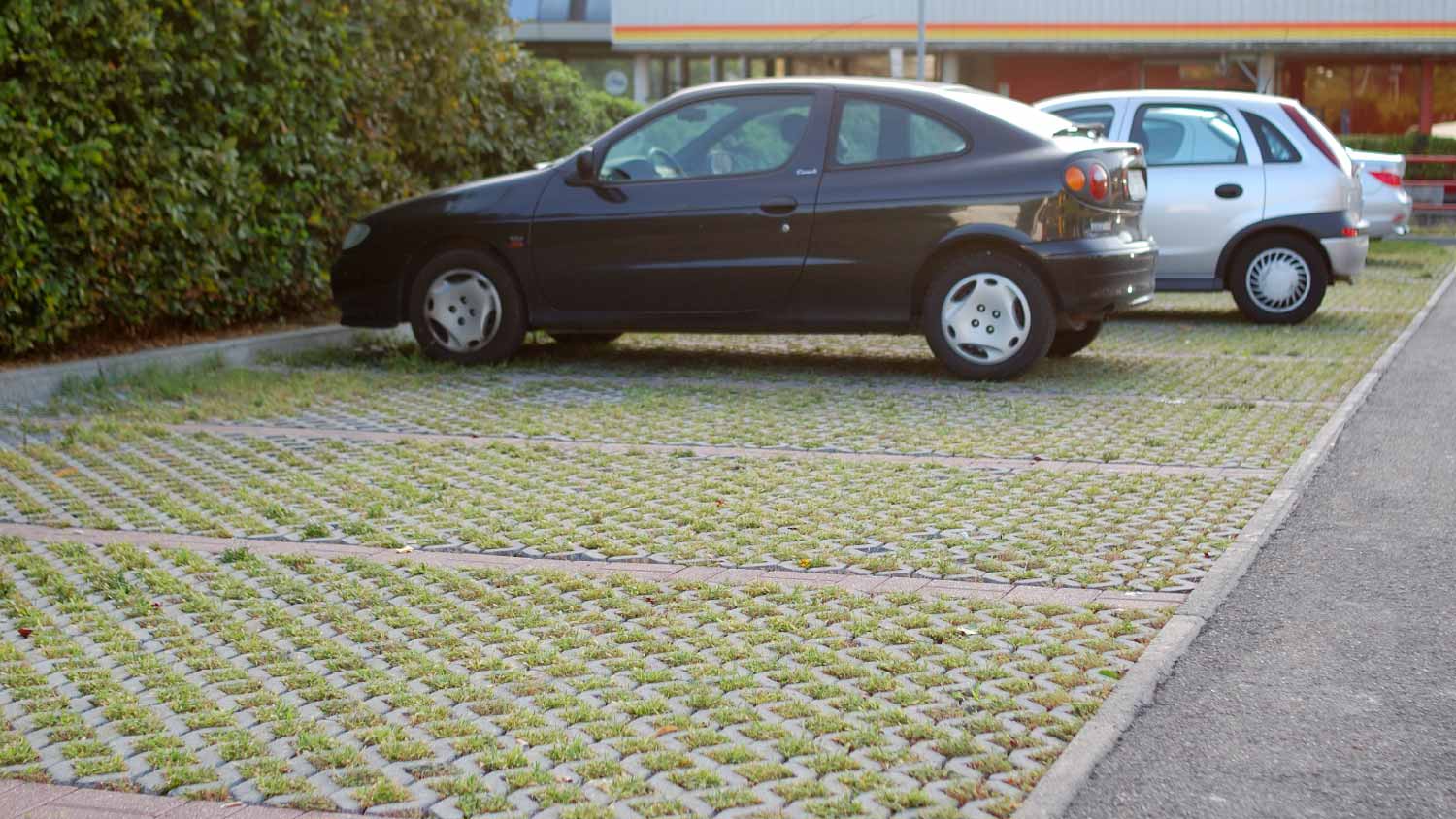
A 500-square-foot driveway can cost anywhere from $5,000 to $35,000, depending on the type of pavers you choose. Grass and concrete pavers are more affordable, while stone and cobblestone pavers are on the higher end of that price range. You’ll save some money by DIYing the installation, though we highly recommend sticking with a professional for this type of driveway installation.
The Kimball, SD homeowners’ guide to paving services
From average costs to expert advice, get all the answers you need to get your job done.
The cost of a tar and chip driveway falls between gravel and asphalt. Is this unique process the happy medium you've been looking for? Let's take a look.
Get proactive with marketing for your paving contractor business. Use these paving marketing ideas (ranked by budget and experience level) to grow your business, get more leads, and earn more money.