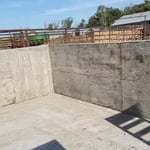
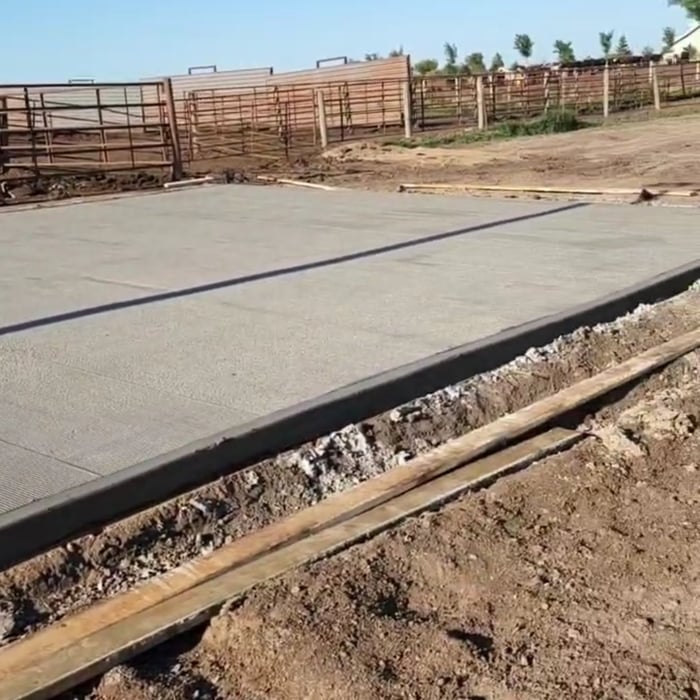
At Maassen Concrete we pride ourselves on being the best plumbing company in the area. We have built an excellent reputation for customer satisfaction by providing quick estimates, a great attention to detail, and competitive pricing. Being a screened and approved professional gives you the peace of mind you need to allow us to give your home the attention it deserves.
"Very quick, very professional, the entire crew was extremely professional and kind. Would definitely recommend to anyone looking for any type of painting or more!"
"They did a very good professional job. I was very satisfied with them. They showed up when they said they would and completed the job to my satisfaction."
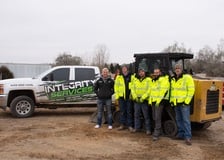
\nVanDerVliet Excavating LLC is committed to excellence in every aspect of our business. We uphold a standard of integrity bound by fairness, honesty, and personal responsibility. Our distinction is the quality of service we bring to our customers. Accurate knowledge of our trade combined with ability is what makes us true professionals. Above all, we are watchful of our customers' interests, and make their concerns the basis of our business.
The best place to plant a rose bush is where it will be happiest. Growing roses is difficult if the location varies much from what the plants like. Choose a location that gets at least six hours of direct sunlight during the growing season but not much more than that in hot-climate locations. If such a spot doesn't exist in your yard, consider planting your rose in a movable container to take advantage of portability.
Xeriscaping can be more affordable than traditional landscaping, but it depends on your landscape design. However, you will save on water. If you live in an arid climate or a location prone to droughts, xeriscaping is an especially efficient way of reducing your lawn’s water demand without detracting from the beauty of your yard.
The best size rock for your landscaping depends on the design, as different boulders serve different purposes. If you want to group boulders to create a natural-looking cluster, you’ll need a range of sizes. Otherwise, here are some suggestions:
Small boulders (smaller than 12 inches across): Best for landscape edging and fire pits
Medium boulders (12–24 inches): Best for retaining walls and water features
Large boulders (more than 24 inches): Best as standalone landscaping features, steps, or walkways.
Of course, you can mix and match sizes to create a unique display.
Hedges can be trimmed in many other shapes than the standard square shape. They can be cut into spiral, cone, and sphere shapes. However, cutting and maintaining these types of shapes is much more challenging. There are metal frames that you can purchase to place around the hedge to make it much easier.
The best time to plant a tree is in the spring, so the roots have time to grow into the surrounding soil before winter sets in. Some people recommend planting in the late fall. However, planting in the spring reduces the stress on the tree, as it will be emerging from dormancy, giving it the full spring and summer ahead to acclimate and put down roots into the soil.
The Armour, SD homeowners’ guide to landscaping services
From average costs to expert advice, get all the answers you need to get your job done.
A landscape designer can elevate your outdoor space and bring your vision to life. Use this landscape design cost guide to budget for your next project.
A good landscaping website can help you land more sales and build your credibility. Read our list of must-have pages and ideas for your website to help potential clients find you and drive more business for your lawn care company.