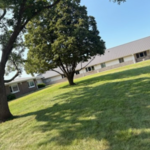
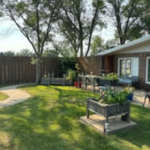
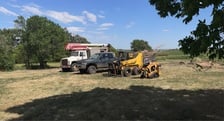
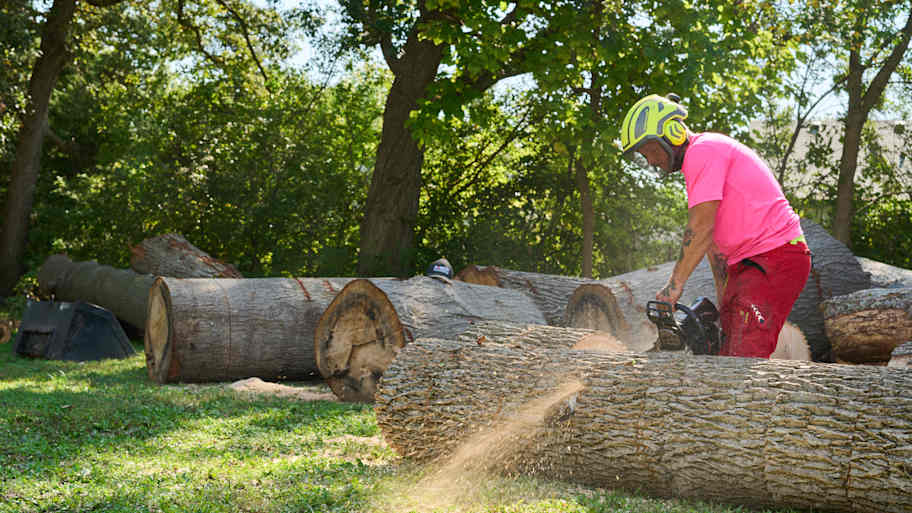
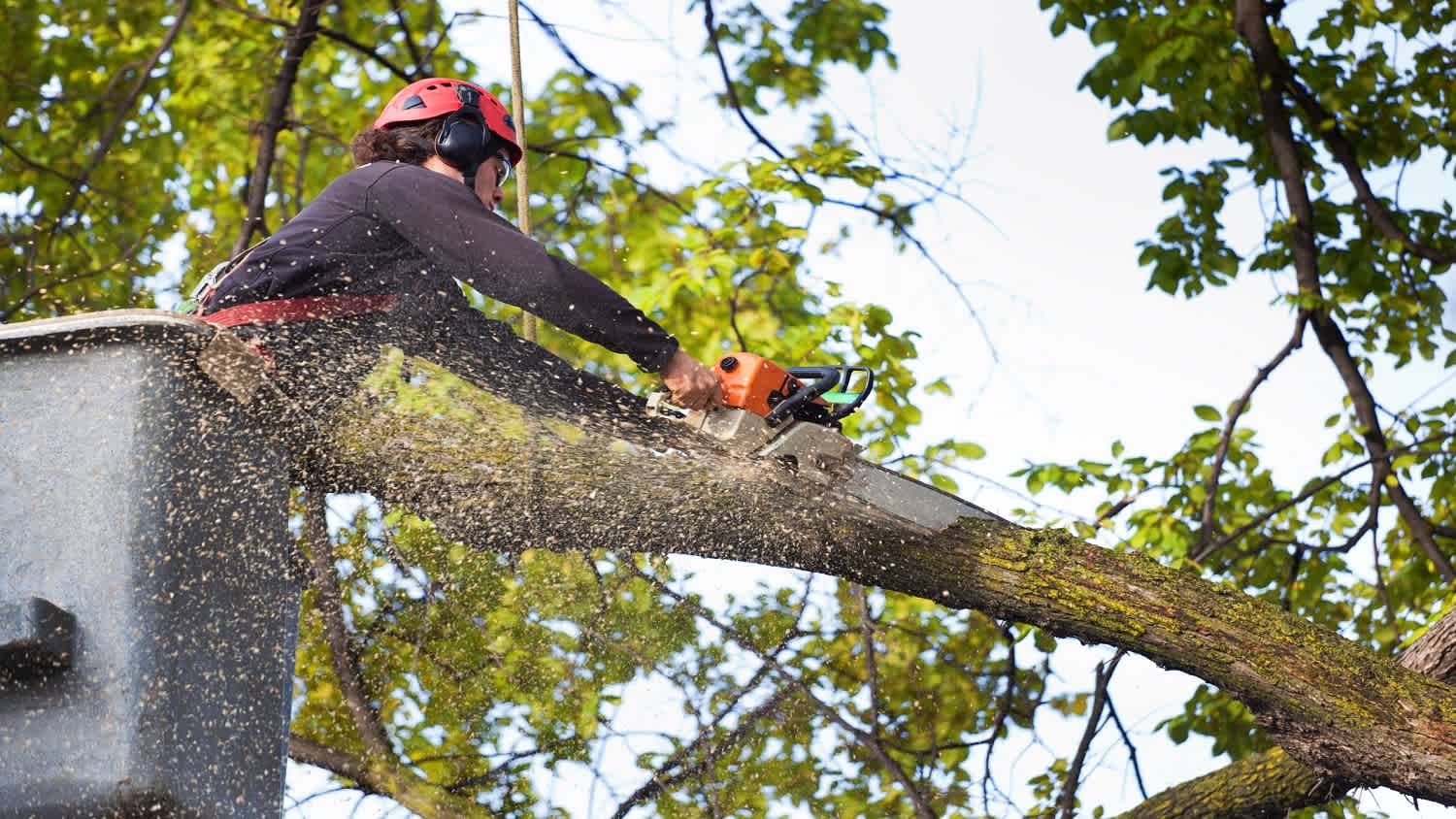
"Jarod removed several large trees for me that were inaccessible with equipment. He cut down the trees and hauled away all the wood and branches. He did a fantastic job at a very reasonable price. I would highly recommend his service."
"Large amount of work was needed, and job is about 80% complete. Hard workers that want to do a great job. Very courteous and professional when discussing details. They were willing to rent special equipment to get the work finished."
"Harlan was professional, polite, and honest. He completed everything in a timely matter, payed attention detail, worked well with all the requirements we needed to abide by, and he did everything himself! Most of the other contractors I had reached out were not willing to follow the guidelines needed. Harlan was great and does not keep you waiting! I would highly recommend him! I was very pleased and have no complaints! He goes above and beyond what you ask of him!"
Though summer is not ideal, you can do some light pruning during this time of year. Just make sure it’s not excessive. Vigorous pruning will stress the tree and impact next year’s growth. Generally, August to September are the best summer-pruning months, particularly for fruit trees.
Most jobs take 2-8 hours, but extensive trimming may take multiple days.
A tree can grow back from its stump, but full regrowth is unlikely (especially for more stubborn conifer trees). Instead, trees are more likely to send up a number of shoots from the dead stump, which will try to develop into primary stems over time. In other words, it will start to look increasingly bushy. The goal of killing and drying out a tree stump is to prevent that from happening, as well as make the stump easier to completely remove.
Yes, cutting a tree's roots can cause it to fall, particularly if major support roots are severed. In extreme cases, trimming roots can affect the tree's structure and stability. Many crucial roots are located just below the soil's surface. If you make severe cuts to roots more than 2 inches in diameter, you risk impacting the tree's water flow and its ability to withstand severe winds or storms. Even cutting roots less than half an inch in diameter under or outside the tree's canopy can cut off its water supply, causing it to decline, die, and eventually topple.
Full decorating services often provide rental trees for their Christmas packages, so you shouldn’t have any trouble finding one. However, individual interior decorators and others may not offer rented trees, so always check the specifics of their services before booking. Keep in mind that you’ll need to prepare the Christmas tree for pick-up shortly after the holidays.
The Armour, SD homeowners’ guide to tree services
From average costs to expert advice, get all the answers you need to get your job done.
How much does an arborist cost? This guide explains the cost of different services, ongoing expenses, and other factors to consider when hiring an arborist.
Tree inspections can ensure your trees stay healthy and safe, preventing costly damage. Learn how much tree inspections cost and what can affect the price.
Follow these tips to learn how to find a good tree removal service. Doing a little research can help you save time and money when you need to say goodbye to your trees.
You suspect that the leaning oak tree in the back needs to come down, but can you just handle it yourself? Here are the pros and cons of calling a tree service.