"Zachary was very prompt, very clean, workmanship was great. Very pleased with the work he did for me. He did a great job and I would recommend him to others."
"He and his workers came to the job quickly. They advised and helped with the supplies and worked steadily until the job was finished. I recommend them to anyone."
We take great pride in our experience, expertise, quality, and customer service that we provide to meet the consumer's needs. It is our mission to provide excellent workmanship and complete customer satisfaction from start to completion of a project. In order to understand the needs and expectations of our customers, we take great care to work and communicate with every customer in a professional manner. Our reputation is based on service, safety, and quality, regardless of how large or small the job.
Typically, a fence requires one to two coats of stain. The exact number can vary depending on the porosity of the wood. For specific guidance, it's best to check the manufacturer's instructions. After applying the first coat and letting it dry completely, you can assess the finish. If it appears patchy, uneven, or you want a more saturated color, a second coat is recommended. An extra coat can also help cover lap marks.
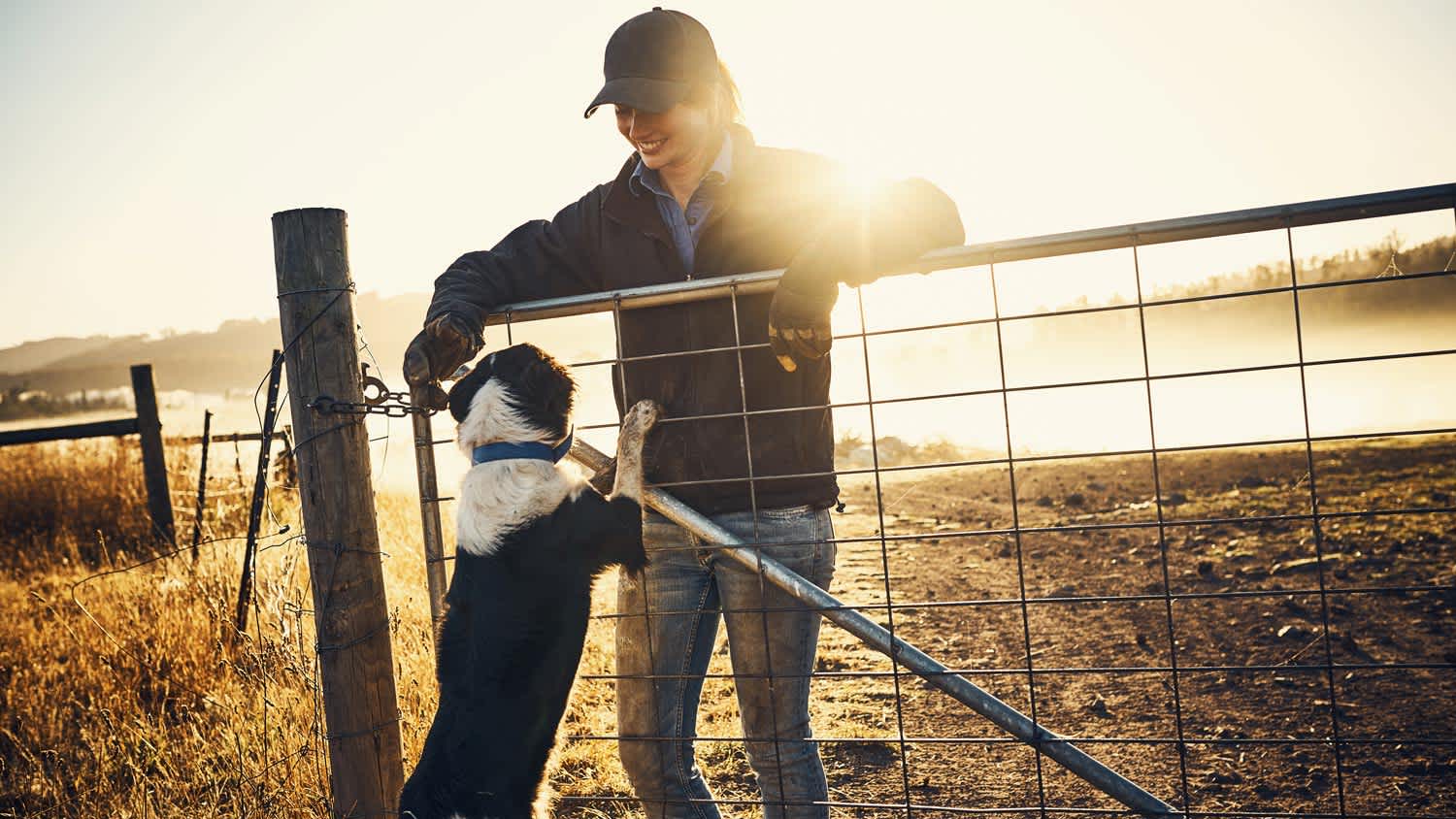
Generally, the height of your dog fence should be 3 times the distance from the ground to your dog’s shoulder. For most small breeds, a 4-foot high fence will be more than enough to keep them from jumping out. Medium-sized breeds like Golden Retrievers, Labradors, and German Shepherds will need at least a 5-6 foot fence to stay contained. Large breeds that are also excellent jumpers, such as Greyhounds, may need a 7-foot high fence.
A setback is an area of space between your fence and the property line, meaning you build a fence a few inches before your neighbor’s property begins. You can build your fence on a setback—some communities recommend this—but this means a sliver of your property will be on your neighbor’s side of your fence.
A fence post set in concrete lasts anywhere from five to over 25 years, depending on how well the concrete was applied and the fence post’s material. Untreated wood posts in concrete could last less than 10 years, but a durable, treated wood set in properly applied concrete could last a few decades. However, all fence posts will wear out eventually, so expect to need to replace your fence post every five to 15 years.
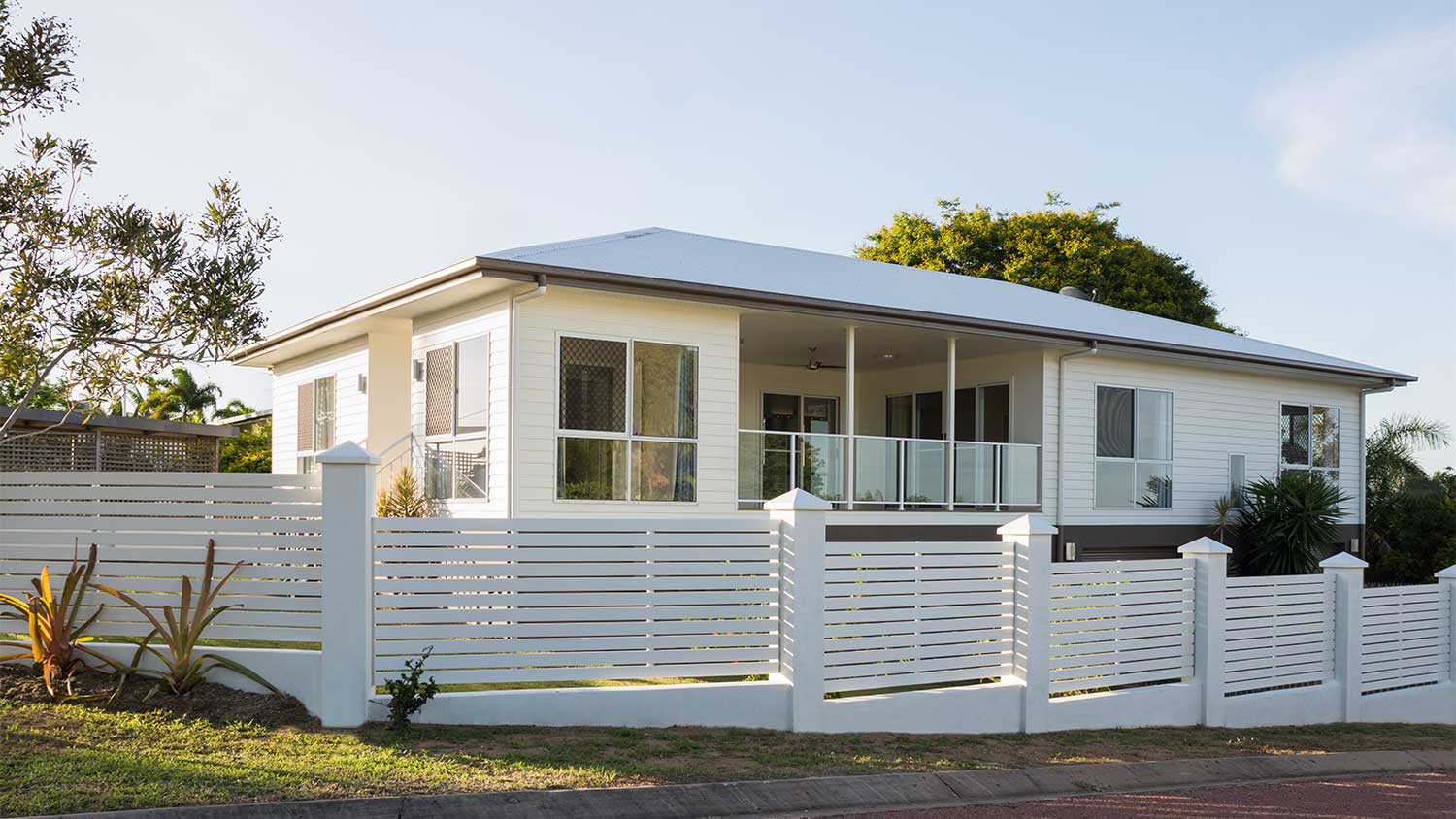
You can use pressure-treated wood for a horizontal fence, but you’ll need to purchase a thicker and higher-quality variety to ensure it doesn’t sag or warp after you install it. Use #2 pine grade lumber and boards and thicker dimensional lumber, such as a two-by-six. You’ll also need to use stainless steel or hot-dipped galvanized fasteners, as the chemicals in the treated lumber will cause regular galvanized fasteners to rust.
The Armour, SD homeowners’ guide to fencing services
From average costs to expert advice, get all the answers you need to get your job done.
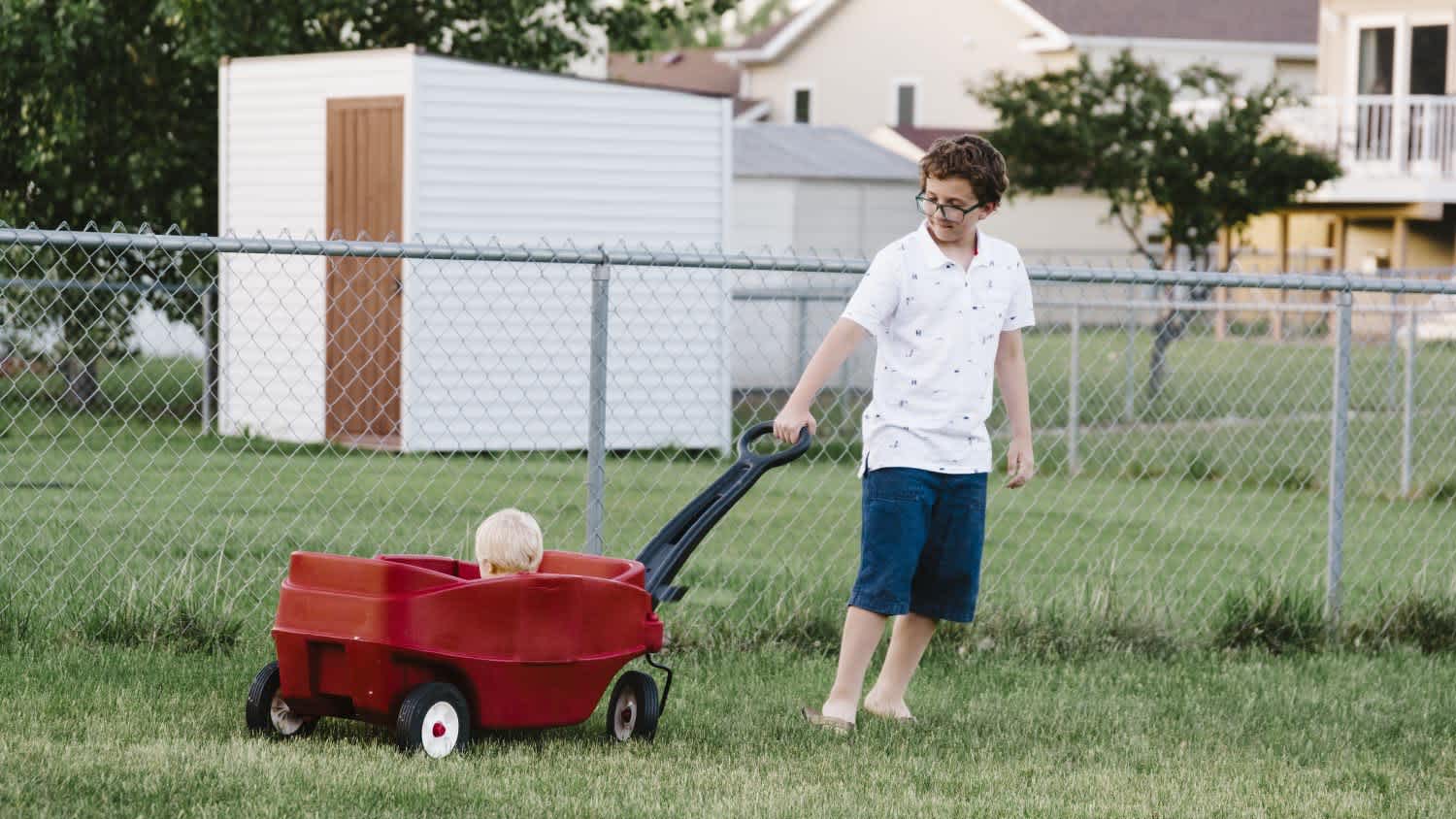
Chain-link fences are among the most affordable options available. Use this chain link fence cost guide to see what your fence installation will total.
Fence repair costs depend on the extent of damage, your fence's material, and how much of the fence you need to fix. Explore all the price factors in this guide.