



Top-rated radon detection and reduction specialists.

Get matched with top radon detection and reduction specialists in Myrtle Beach, SC

Enter your zip and get matched with up to 5 pros

Need a pro for your radon detection and reduction project in Myrtle Beach, SC?

Select your specific project to find the pro for you.

Find Radon detection and reduction specialists in Myrtle Beach

Avatar for Ocean Breezes Home Inspections, LLC
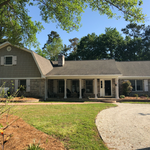
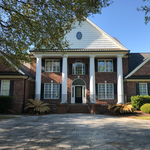
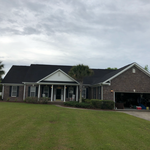
Ocean Breezes Home Inspections, LLC
4.9(
65
)

Serving Myrtle Beach, SC and surrounding areas

Approved

In business since 2017

Free estimates

Credit card accepted

"John id an excellent job and went out of his way to complete the inspection despite some unexpected delays. He offered his personal advice when we asked him project related questions and followed up with responses after he completed the job. Would recommend him highly."
damaged flashing
no flashing
foundation settlement
Fire waiting to hapen
Flashings???

+31

Response time40 mins
Recommended by100%of homeowners
Radon Detection and Reduction questions, answered by experts

The lifespan of a radon mitigation system depends on the type of system and its maintenance. With proper care, a system can last for many decades. Passive systems tend to last longer as they have fewer components that require replacement. Active systems, which have more moving parts like fans, generally have a shorter lifespan. For instance, water filtration devices and active pressurization systems require more frequent maintenance. While the system as a whole is durable, the radon fan in an active system typically has a lifespan of 5 to 10 years and will need to be replaced. As long as the fan is working, the mitigation system should function correctly.

Radon detection is crucial as prolonged exposure to radon gas, a leading cause of lung cancer, poses significant health risks in residential environments.

Ideally, no one will live in a house with elevated radon levels, as prolonged exposure increases the risk of serious health issues like lung cancer. However, homes with radon can be made safe through mitigation systems, such as active soil depressurization. Testing for radon regularly and addressing high levels helps ensure a safe living environment.

You'll need to test your home for radon after installing the mitigation system, then again every two years. If radon remains elevated, contact a licensed radon professional, either the contractor who installed the system or a different one, and have them evaluate the system. They may need to make some changes to improve its effectiveness and performance.

The average radon mitigation system uses about 876 kWh of electricity per year, although the exact amount of electricity used will vary depending on the size of the radon fan. Once the system is installed, the annual increase to your energy bill could range from $30 to $300 per year, again depending on the size of the fan.

The Myrtle Beach, SC homeowners’ guide to radon detection and reduction services

From average costs to expert advice, get all the answers you need to get your job done.

What do you need done? We’ll find top pros.
  • 🌱 "Mow a small front yard"
  • 🛠 "Fix a leaking pipe under the sink"
  • 🏠 "Repair shingles on an asphalt roof"