


Get matched with top radon detection and reduction specialists in Calabash, NC
Top-rated radon detection and reduction specialists.

Need a pro for your radon detection and reduction project in Calabash, NC?

Select your specific project to find the pro for you.

Find Radon detection and reduction specialists in Calabash

Avatar for Johnson Properties and Inspections, Ltd.
Johnson Properties and Inspections, Ltd.
4.7(
36
)

Serving Calabash, NC and surrounding areas

Approved

In business since 2005

Free estimates

Offers commercial services

"Thanks to Donna at Home Advisor for her great assistance. I have a multi-faceted problem with work performed by a licensed contractor after Hurricane Michael. Don Johnson is a pro roofing inspector, personable, capable and effective. His report was in my email in a few hours though that level of fast service was not requested. The report is complete, provides photo evidence, and is easy to read and understand. I am beyond satisfied with Home Advisor and Don Johnson."
Response time7 hrs
5 neighbors recently requested a quote
Recommended by93%of homeowners
Avatar for Elite Home Inspections, LLC
Elite Home Inspections, LLC
5.0(
12
)

Serving Calabash, NC and surrounding areas

Approved

In business since 2025

Free estimates

Small jobs welcome

"I got a home inspection to prepare for selling my home, and I wasn't expecting them to find so many things I overlooked every day. They included thermal images with my very thorough inspection report. They made it easy for me to prioritize repairs and make selling my home so much smoother. Definitely recommend!"
4 neighbors recently requested a quote
Radon Detection and Reduction questions, answered by experts

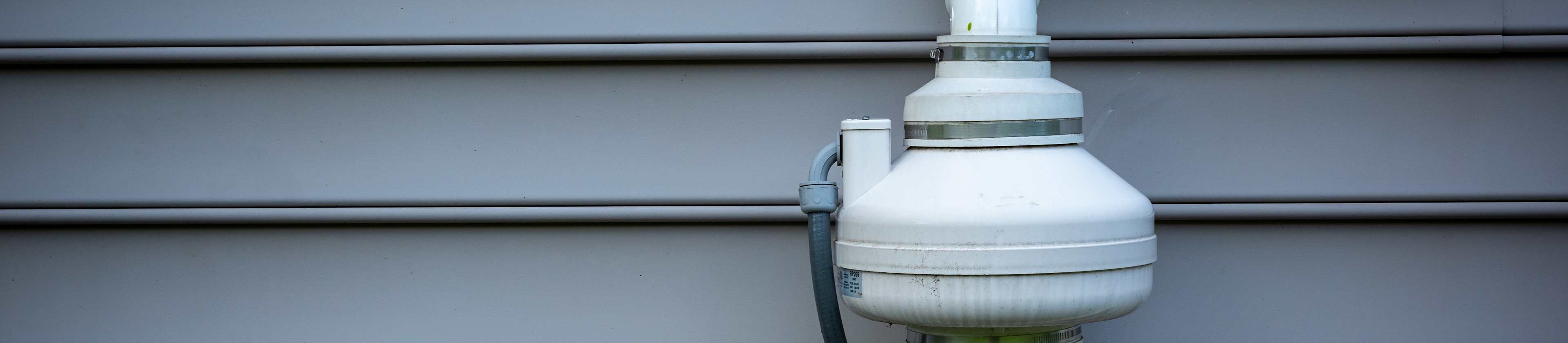
Many radon fans carry a five-year manufacturer's warranty. That said, your radon fan should last between five and ten years. Regular inspections will ensure the fan is operating properly. Unusual or exceptional noise coming from the fan or indications on your manometer or system monitor can immediately tell you that something is amiss.

No level of radon is technically safe, but since it is naturally present everywhere, it is impossible to avoid entirely. The average radon level in homes across the United States is 1.3 picocuries per liter (pCi/L). The Environmental Protection Agency (EPA) recommends taking action to reduce radon levels if your home's test results are between 2 and 4 pCi/L or higher.

If your home has a sump pit, you can integrate it with a radon mitigation system. You can accomplish this by sealing the pump cover with an airtight lid that accommodates radon vent pipes and sump pump hoses. This allows the vent pipe to redirect the radon gas outside of your home.

You'll need to test your home for radon after installing the mitigation system, then again every two years. If radon remains elevated, contact a licensed radon professional, either the contractor who installed the system or a different one, and have them evaluate the system. They may need to make some changes to improve its effectiveness and performance.

Your radon mitigation system may be loud because it’s time to replace it. Any sounds are usually from the inline fan that helps create the vacuum and resulting airflow. If you hear a new, loud mechanical or humming noise from your radon fan, it might be time to replace it. Most fans used in radon mitigation systems last up to 10 years, but may need to be replaced sooner.

The Calabash, NC homeowners’ guide to radon detection and reduction services

From average costs to expert advice, get all the answers you need to get your job done.