




Top-rated excavation pros.

Get matched with top excavation pros in Central, SC

Enter your zip and get matched with up to 5 pros

Need a pro for your excavation project in Central, SC?

Select your specific project to find the pro for you.

TRUSTED BY CENTRAL, SC HOMEOWNERS

  • Average homeowner rating star icon4.7
    Average homeowner rating
  • Verified reviews icon17
    Verified excavation services reviews

Find Excavation pros in Central

Avatar for Sanders Land Services
Sanders Land Services
4.8(
20
)
Building Site - Preparation and ClearingLandscape - Minor Grading or Resloping

Serving Central, SC and surrounding areas

Approved

In business since 2019

Free estimates

Credit card accepted

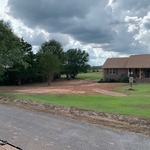
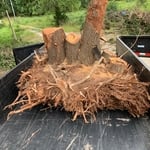
"The work looks great, they came and leveled an area for my pool and found roots that were not removed by a previous landscaper. They removed the roots and leveled the area finishing with sand. I donâ t have the pool set up yet hope it all works perfect ð ð »"
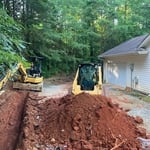
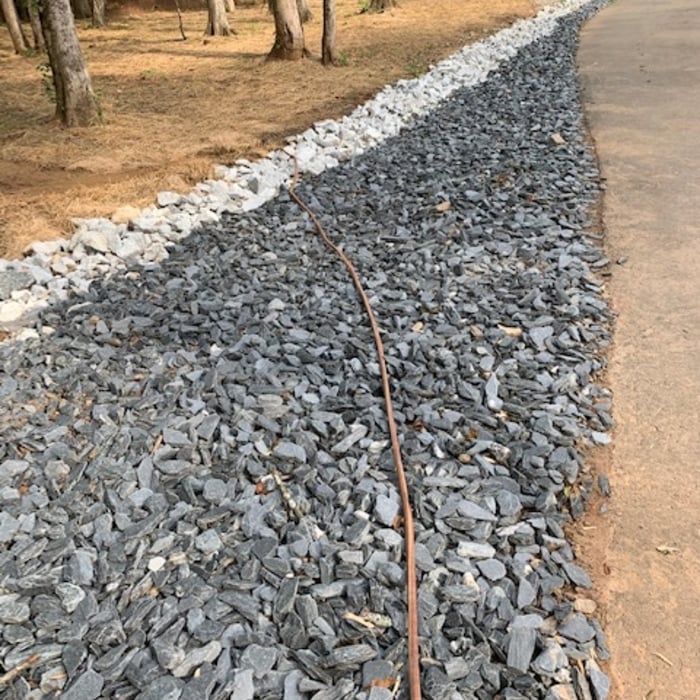
Installing a Curtain Drain
Our Work
Our Work
Our Work
Our Work

+17

Response time1 day
1 neighbors recently requested a quote
Recommended by83%of homeowners
Avatar for Looper Residential Construction Management
Looper Residential Construction Management
5.0(
1
)
Landscape - Minor Grading or Resloping

Serving Central, SC and surrounding areas

Approved

Free estimates

"Noah provided me a quote and was able to come out the next day to take care of my removal. He was perfectly on time, professional, and friendly. I would definitely use his company again for future projects. Thanks!"
11 neighbors recently requested a quote
...
Showing 1-10 of 195
Excavating questions, answered by experts

Sewer lines can be buried anywhere from 18 inches to 8 feet deep, with a common average depth between 18 and 30 inches. The exact depth depends on local factors like climate and soil type. In colder regions, pipes must be buried deeper (below the frost line) to prevent freezing, sometimes as deep as 8 feet. The digging depth can also impact the cost of sewer line replacement. To find the specific depth for your property, you can check the building plans for your system, which should be on file with your city or local sanitation department since permits are required for installation.

Skunk digging looks like a series of small, cone-shaped holes on a lawn or around the perimeter of a home, porch, deck, or shed. The holes that skunks dig when searching for grubs tend to be no more than four inches in diameter and may be up to four inches deep.

Digging a bush up by the roots is the most natural DIY method for removing a bush stump. Start by identifying the shrub type and revealing its roots. Cut the shrub to its base and loosen the soil, ensuring no utility lines are nearby. Optionally, treat the base with herbicide, then dig around the roots and cut a circle around the shrub using various tools. Dig a trench, cut the base of the root ball, and finally fill the hole to prevent regrowth. This thorough process ensures complete removal without damaging surrounding areas.

Yes, an excavation company is the best option for land grading and yard leveling. General landscapers might be able to tackle these projects, but an excavation company will do a better job because they’re used to operating the necessary heavy machinery. Landscapers might opt to do the work manually, which takes much longer and could cost you more in labor fees. Finally, excavation companies will understand local regulations and know when you need permits to legalize the work, while a landscaper might not.

Depth is not a qualifying component of evacuation. Any human-made cut, cavity, or depression in the earth’s surface is considered excavation. The hole from excavation can be any size, shape, or depth. Excavation is used to create foundations, reservoirs, drainage ditches, and roads. Long, narrow excavations are called trenches and are often used for underground utilities.

The Central, SC homeowners’ guide to excavation services

From average costs to expert advice, get all the answers you need to get your job done.