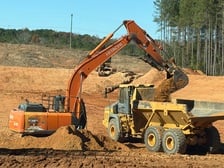





Top-rated excavation pros.

Get matched with top excavation pros in Pendleton, SC

Enter your zip and get matched with up to 5 pros

Need a pro for your excavation project in Pendleton, SC?

Select your specific project to find the pro for you.

TRUSTED BY PENDLETON, SC HOMEOWNERS

  • Average homeowner rating star icon4.8
    Average homeowner rating
  • Verified reviews icon22
    Verified excavation services reviews

Find Excavation pros in Pendleton

Avatar for Sanders Land Services
Sanders Land Services
4.8(
20
)
Building Site - Preparation and ClearingLandscape - Minor Grading or Resloping

Serving Pendleton, SC and surrounding areas

Approved

In business since 2019

Free estimates

Credit card accepted

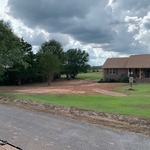
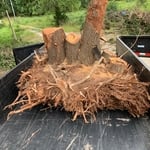
"The work looks great, they came and leveled an area for my pool and found roots that were not removed by a previous landscaper. They removed the roots and leveled the area finishing with sand. I donâ t have the pool set up yet hope it all works perfect ð ð »"
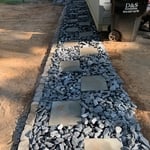
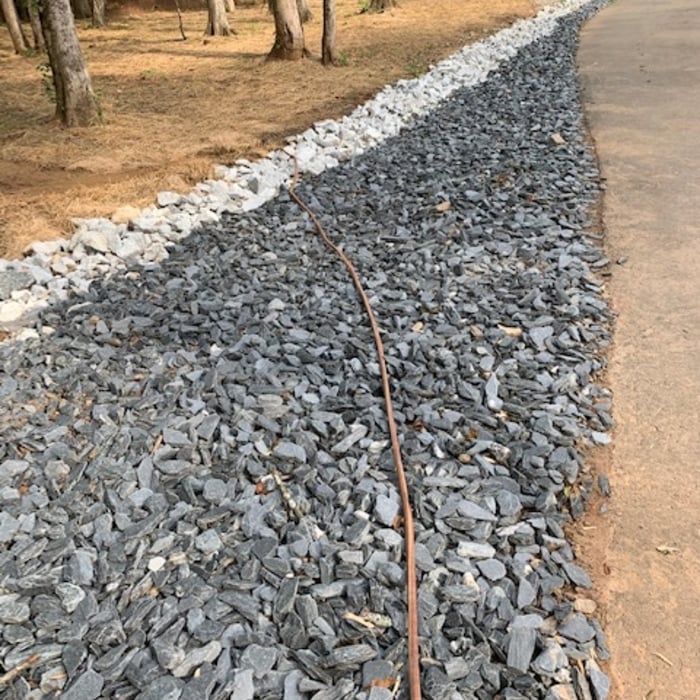
Installing a Curtain Drain
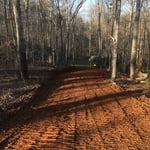
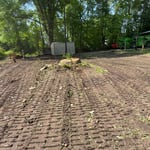
Our Work
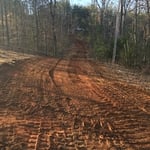
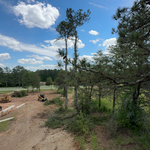
Our Work
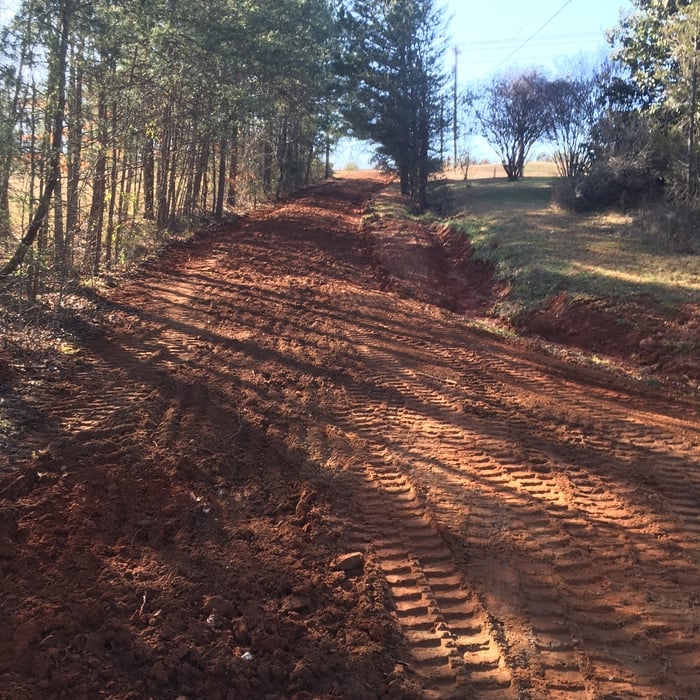
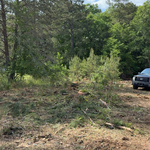
Our Work
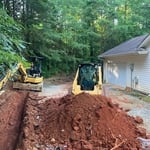
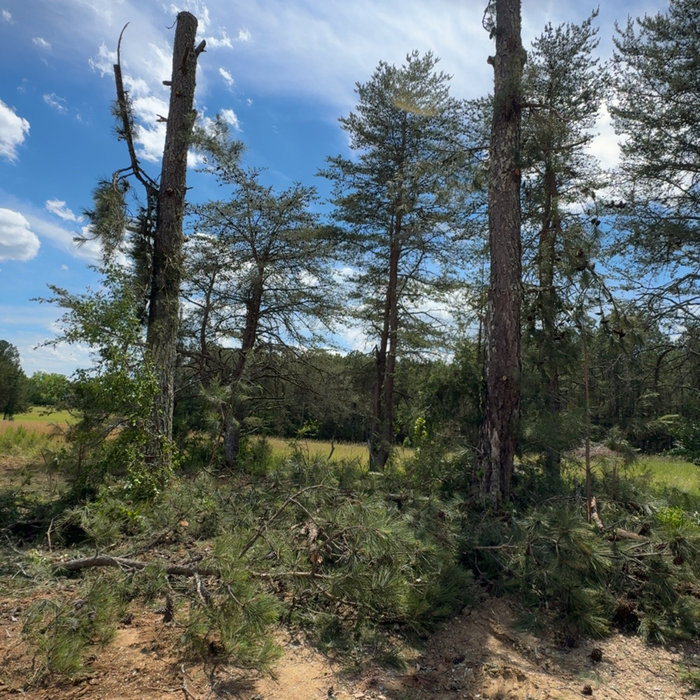
Our Work

+17

Response time1 day
1 neighbors recently requested a quote
Recommended by83%of homeowners
...
Showing 1-10 of 212
Excavating questions, answered by experts

The best type of soil to build on is a mixture of sand and clay, known as loam soil. Loam soil has the best combination of these soil types to build a foundation on. The clay particles help with water retention, so it won’t erode like sandy soil might, and the sandy particles help with drainage, so you won’t see unsafe soil expansion or have an increased risk of leaks from water sitting against your foundation.

There is no standard depth for burying a septic tank; they are typically buried anywhere from 4 inches to 4 feet underground. The final depth depends on several factors, including the depth of your main sewer line, the height of the bedrock, soil type, local regulations, and the property's landscape. If you plan to grow grass or plants over the tank, a depth of at least 4 to 6 inches is recommended. Deeper tanks can be more difficult to locate, but a septic professional can help find it for you.

Hardscaping often requires preparation of the ground in the area where the feature is being installed. This can include digging, compacting, and leveling the soil, ensuring adequate drainage, and removing any existing plants. The extent of preparation needed will depend on the type and size of the hardscaping feature being installed.

Septic drain lines (or leach lines) are typically buried between 18 and 36 inches underground, and should be at least 6 inches below the surface. These pipes are perforated and surrounded by filtering materials like sand or gravel. Burying the lines at this depth helps minimize odors and allows bacteria and other biological processes in the soil to effectively treat the wastewater. Burying lines too close to the surface can cause issues unless the soil is very compact and stable.

The easier way to find buried sprinkler lines is to use the plan from the professionals who installed the system. If you don’t have professional plans, listen for running water on your lawn when you turn on the system. You may also spot wet areas, giving you an idea of where the heads are. Once you find the sprinkler heads, you’ll likely be able to connect the dots between them, revealing the system below.

The Pendleton, SC homeowners’ guide to excavation services

From average costs to expert advice, get all the answers you need to get your job done.