




Top-rated excavation pros.

Get matched with top excavation pros in Westminster, SC

Enter your zip and get matched with up to 5 pros

Need a pro for your excavation project in Westminster, SC?

Select your specific project to find the pro for you.

TRUSTED BY WESTMINSTER, SC HOMEOWNERS

  • Average homeowner rating star icon4.4
    Average homeowner rating
  • Verified reviews icon65
    Verified excavation services reviews

Find Excavation pros in Westminster

Avatar for Chauga Valley Grading LLC
Chauga Valley Grading LLC
5.0(
21
)
Building Site - Preparation and ClearingLandscape - Minor Grading or Resloping

Serving Westminster, SC and surrounding areas

Approved

In business since 2023

Free estimates

Warranties offered

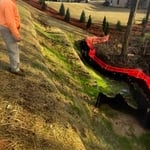
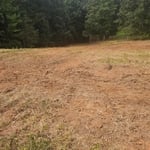
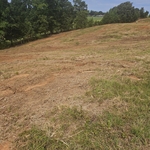
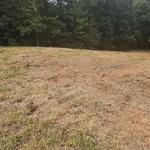
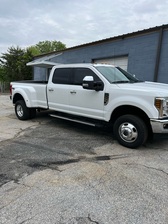
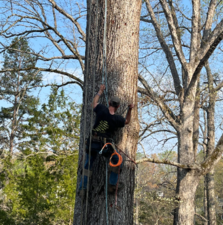
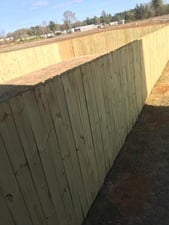
"I needed a couple of very large bushes to be cut down, they came on a Friday to look at the job and offered to do the job on Monday for a very reasonable price. They were very quick and efficient and went above and beyond the job. You won't go wrong hiring these guys for any job you might have."
On the job
On the job
on the job
on the job
on the job

+10

Response time4 hrs
27 neighbors recently requested a quote
Recommended by66%of homeowners
...
Showing 1-10 of 90
Excavating questions, answered by experts

Digging a well can cost between $20 and $25,000, depending on your needs. If you’re looking to dig a well yourself, all you need is a shovel. If you’re looking to have a well drilled by a professional, you can expect to pay around $15 to $30 per foot. The total cost of drilling a well will average to $5,500.

No, you typically cannot use metal detectors to find your sewer line. Most sewer lines are made of non-metallic materials such as PVC, clay, or cast iron, which are not detectable by standard metal detectors. Metal detectors are designed to locate metallic objects, so they won't be effective for identifying the path of a non-metallic sewer line. To locate your sewer line accurately, it's best to use other methods.

If you have a broken sprinkler pipe underground, there will be some signs you can easily spot to locate it and take action. These include leaks, water spouts, flooding, consistently damp areas on your lawn, low water pressure, and grass around the sprinkler head that’s taller and darker than anywhere else in the yard. 

If there are no obvious signs of a broken pipe, you can use tools such as water leak mics, leak noise loggers, audio devices that record leaks, and acoustic testing links. 

Broken pipes can lead to uneven watering, plant damage, and higher utility bills. The longer you wait to fix them the more the repair cost may be.

Professional installers often include a deep layer of crushed gravel under permeable pavers to allow more runoff to soak through into the soil below. Many installations will include multiple layers of gravel, with coarser aggregate at the base and finer aggregate that sits on top of that bottom layer. Above the gravel, you’ll often find coarse sand that helps reduce paver shifting over time. Some permeable paver designs include a water collection system set into the gravel layer to route runoff to a safe area for disposal.

There is no standard depth for burying a septic tank; they are typically buried anywhere from 4 inches to 4 feet underground. The final depth depends on several factors, including the depth of your main sewer line, the height of the bedrock, soil type, local regulations, and the property's landscape. If you plan to grow grass or plants over the tank, a depth of at least 4 to 6 inches is recommended. Deeper tanks can be more difficult to locate, but a septic professional can help find it for you.

The Westminster, SC homeowners’ guide to excavation services

From average costs to expert advice, get all the answers you need to get your job done.