



Top-rated excavation pros.

Best excavation pros near Townville, SC

Enter your zip and get matched with up to 5 pros

Need a pro for your excavation project in Townville, SC?

Select your specific project to find the pro for you.

TRUSTED BY TOWNVILLE, SC HOMEOWNERS

  • Average homeowner rating star icon4.7
    Average homeowner rating
  • Verified reviews icon43
    Verified excavation services reviews

Top-Rated Excavation pros in Townville - Updated Nov 2026

Avatar for Sanders Land Services
Sanders Land Services
4.8(
20
)
Building Site - Preparation and ClearingLandscape - Minor Grading or Resloping

Serving Townville, SC and surrounding areas

Approved

In business since 2019

Free estimates

Credit card accepted

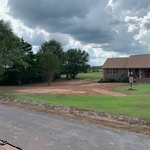
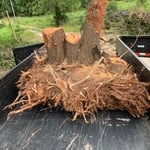
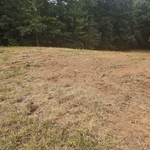
"The work looks great, they came and leveled an area for my pool and found roots that were not removed by a previous landscaper. They removed the roots and leveled the area finishing with sand. I donâ t have the pool set up yet hope it all works perfect ð ð »"
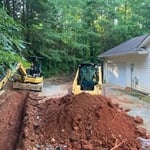
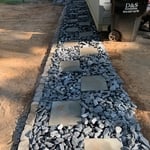
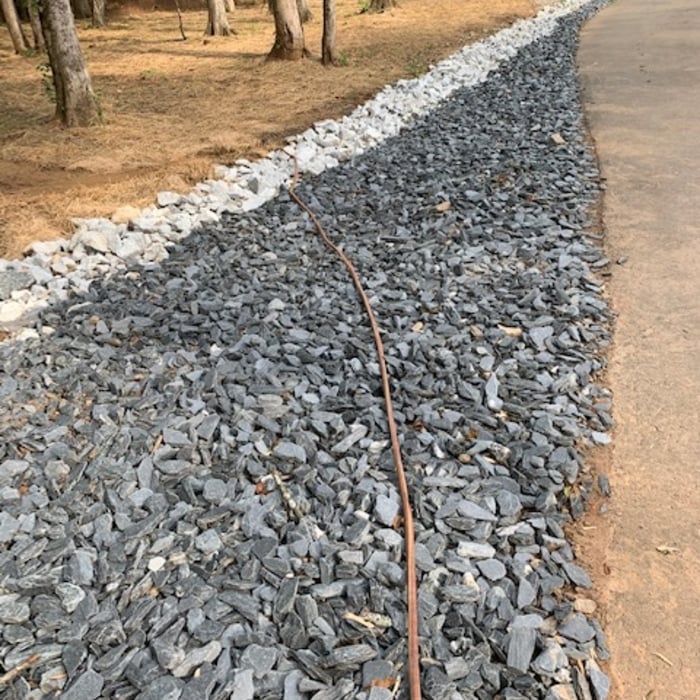
Installing a Curtain Drain
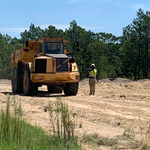
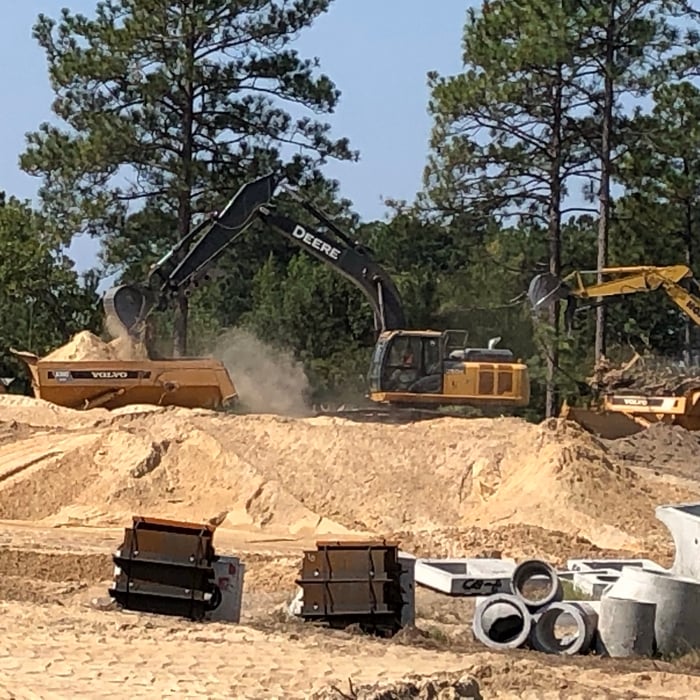
Our Work
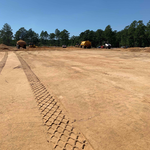
Our Work
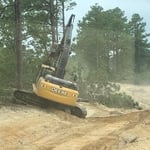
Our Work
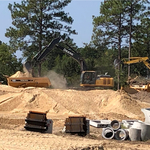
Our Work

+17

Response time1 day
Recommended by83%of homeowners
Avatar for Looper Residential Construction Management
Looper Residential Construction Management
5.0(
1
)
Landscape - Minor Grading or Resloping

Serving Townville, SC and surrounding areas

Approved

Free estimates

"Noah provided me a quote and was able to come out the next day to take care of my removal. He was perfectly on time, professional, and friendly. I would definitely use his company again for future projects. Thanks!"
7 neighbors recently requested a quote
...
Showing 1-10 of 161
Excavating FAQs, answered by experts

You can bury underground electrical wire six inches deep—but only if you use a rigid metal electrical conduit. For rigid, non-metallic conduits, bury the wire at least 12 inches deep. If using an underground feeder cable rated for direct burial, you'll need to place it at least 18 inches deep, as it has no conduit for extra protection.

No, fire blight does not survive free in the soil but instead is carried through insects, animals, rain, or wind during the spring. Keep in mind that it can also spread on tools, which is why you should always disinfect them in between cuts.

A trench that is less than 5 feet deep often doesn't require a protective system. Most residential trenches will not go this deep (the typical residential drainage trench is just 18 inches deep). In the event that an excavator needs to dig more than 5 feet beneath the surface, a protective system is required unless the excavation is in entirely stable rock.

Hard soil could be a sign of overly dry dirt, either from poor drainage or drought. It's important to test the nutrient levels, density, and drainage capacity of your soil to see if it's absorbing water properly. Begin by adding a light layer of water and observing how long the soil retains moisture. If you experience a good deal of runoff, you may need to aerate your lawn, apply a wetting agent, or hire a professional for a closer look.

Your contractor should handle dust control during the project. It's best to speak with your contractor beforehand to check if they plan to cover your furniture, protect your vents, or use fans to redirect dust. Eliminating drywall dust is a particularly large challenge during construction, so always take this into account during your planning phase.

The Townville, SC homeowners’ guide to excavation services

From average costs to expert advice, get all the answers you need to get your job done.