


Top-rated excavation pros.

Get matched with top excavation pros in Anderson, SC

Enter your zip and get matched with up to 5 pros

Need a pro for your excavation project in Anderson, SC?

Select your specific project to find the pro for you.

TRUSTED BY ANDERSON, SC HOMEOWNERS

  • Average homeowner rating star icon4.9
    Average homeowner rating
  • Verified reviews icon34
    Verified excavation services reviews

Find Excavation pros in Anderson

Avatar for Sanders Land Services
Sanders Land Services
4.8(
20
)
Building Site - Preparation and ClearingLandscape - Minor Grading or Resloping

Serving Anderson, SC and surrounding areas

Approved

In business since 2019

Free estimates

Credit card accepted

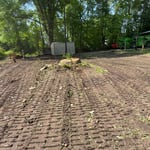
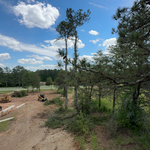
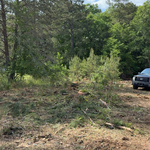
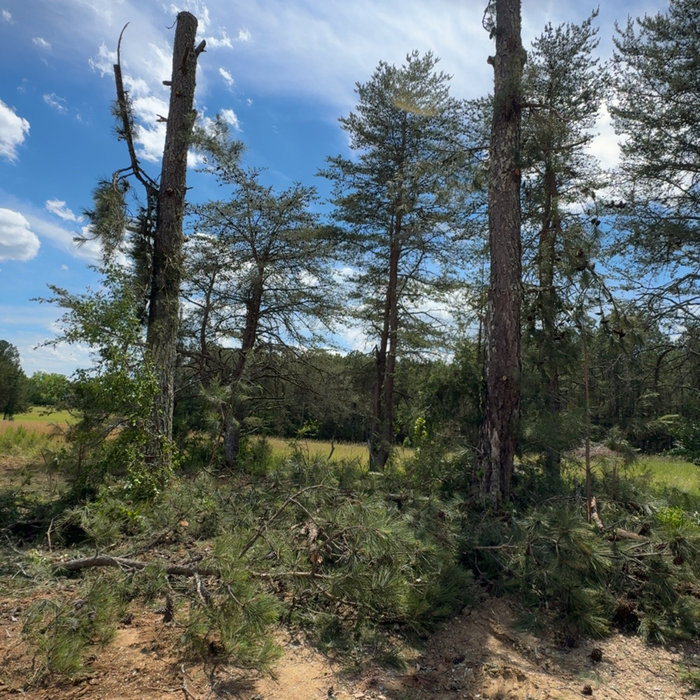
"Ryan removed some tress from my yard. He was prompt and professional and very reasonably priced. He took extra care to not disturb the existing lawn with the equipment. Went above and beyond to clear the area of all debris. Would highly recommend."
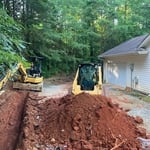
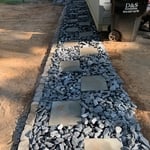
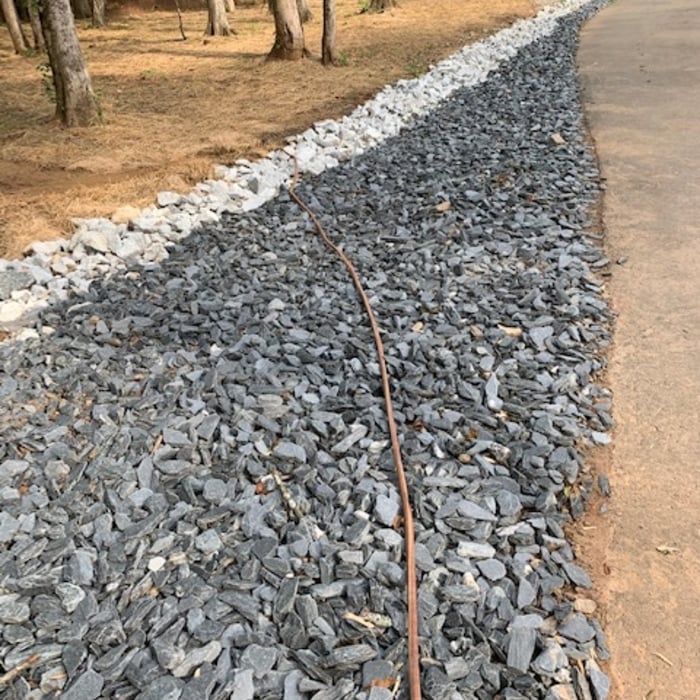
Installing a Curtain Drain
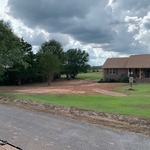
Our Work
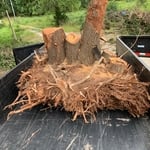
Our Work
Our Work
Our Work

+17

Response time1 day
Recommended by83%of homeowners
Avatar for Northeast Georgia Land Improvements
Northeast Georgia Land Improvements
5.0(
6
)
Building Site - Preparation and ClearingLandscape - Minor Grading or Resloping

Serving Anderson, SC and surrounding areas

Approved

In business since 2010

Free estimates

Offers commercial services

"I was very pleased with the job they did for us. They cleared out small trees and brush from a piece of land. They were friendly and professional. I will call them back for some grading work. I recommend this company."
Response time7 hrs
Response rate85%
Recommended by100%of homeowners
...
Showing 1-10 of 206
Excavating questions, answered by experts

The rules and regulations regarding groundwater use vary between states. To find out if you can dig a well on your property, you’ll have to consult these regulations, address any compliance requirements, and get the appropriate permits. It’s also important to check that your intended location has the right geology and water table to support a well.

There are several different factors that influence how long it takes to excavate. For a foundation, it could take anywhere from three days to three weeks. It can take even longer if you face weather-related delays or an inaccessible site that’s riddled with boulders and rough terrain. It may also take longer if you have clay soil, which is more difficult to dig.

Because decomposed granite is a durable material, a crushed rock or gravel base is optional as long as the DG is properly installed and compacted. However, installing a base is a good idea because it will ensure proper drainage and stability and act as a weed suppressant (although you may still occasionally have to pull weeds). Installing an adequate base can also increase the durability of driveways and walkways. If you forego the paver base or gravel underneath, line the area with landscaping fabric to avoid weeds.

There are several methods to hollow out a tree stump, and the best one depends on your tools, experience, and priorities. Common methods include using a chisel and hammer, a chainsaw, or burning.

  • Chisel and Hammer: This is often considered the easiest approach for those with limited tools or experience, though it is the most time-consuming.

  • Chainsaw: Using a chainsaw is the fastest method, but it comes with significant safety risks, especially for inexperienced users.

  • Burning: This can be an effective method, but it is not recommended unless you can first drill holes into the stump. Without holes, the stump will be difficult to light and may not burn completely through.

A power drill with at least a ⅜-inch diameter bit can make the job quicker and easier, regardless of the primary method. While you can use a chisel or chainsaw without a drill, it will require more time and effort. Always wear protective goggles and thick gloves, as splinters are an inevitable risk.

Trenching and boring are two distinct methods for installing underground utilities. Trenching involves digging a channel using equipment like an excavator, trencher, backhoe, or shovel. While it is a simpler process, it causes significant disruption to the surface, landscaping, and surrounding ecosystems.

Boring, also known as directional boring, is a less invasive alternative that uses a drill to create a tunnel for utility lines without disturbing the surface. This method is more precise and is ideal for installations that need to go underneath buildings, roads, or bodies of water. Although boring is less disruptive, it is generally more expensive than trenching.

The Anderson, SC homeowners’ guide to excavation services

From average costs to expert advice, get all the answers you need to get your job done.