




Top-rated excavation pros.

Get matched with top excavation pros in Fair Play, SC

Enter your zip and get matched with up to 5 pros

Need a pro for your excavation project in Fair Play, SC?

Select your specific project to find the pro for you.

TRUSTED BY FAIR PLAY, SC HOMEOWNERS

  • Average homeowner rating star icon4.4
    Average homeowner rating
  • Verified reviews icon65
    Verified excavation services reviews

Find Excavation pros in Fair Play

Avatar for Barefoot Construction
Barefoot Construction
5.0(
14
)
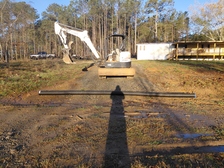
Building Site - Preparation and ClearingBuilding Site - Preparation and Clearing - For BusinessLandscape - Minor Grading or Resloping

Serving Fair Play, SC and surrounding areas

In business since 2010

Free estimates

Warranties offered

"Tony was very prompt, professional and efficient. He made sure he knew exactly what I needed done and checked with me regularly during the project to make sure I was satisfied with the results. I have already asked him to consider doing another major project because of his excellent work, fair price and thorough communication."
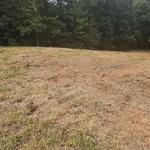
Stump grinding
During the grinding process
During the stump grinding process
After the stump is ground

+2

Response time10 hrs
Recommended by100%of homeowners
...
Showing 1-10 of 110
Excavating questions, answered by experts

Trenching is a specific kind of digging. Trenching means digging a depression in the earth that’s deeper than it is wide, often with heavy machinery. Digging refers to any kind of removal of earth in order to create a human-made depression, hole, or cut in the earth’s surface. You can dig with big tools or even with just a hand shovel.

No, you typically cannot use metal detectors to find your sewer line. Most sewer lines are made of non-metallic materials such as PVC, clay, or cast iron, which are not detectable by standard metal detectors. Metal detectors are designed to locate metallic objects, so they won't be effective for identifying the path of a non-metallic sewer line. To locate your sewer line accurately, it's best to use other methods.

In the United States, a depth of 36 inches (three feet) for underground water lines is the accepted industry standard. This depth varies from location to location based on local conditions. In areas with colder winters, they may be buried deeper to prevent frozen well water pipes : This is usually at least six inches below the frost level. The International Plumbing Code calls for a minimum of 12 inches below grade.

Chipmunks dig their burrows about three feet deep and up to 30 feet long. The entrances can be two inches wide or more. Chipmunks are fiercely protective of their burrows and use them to protect the nuts and seeds they gather for the long winters.

If you’re planning to dig on your property, you’ll need to check for underground utility lines. Call the national call-before-you-dig 811 number. Once connected to an operator, you can schedule a site visit to mark underground lines. This way, you won’t accidentally dig into pipes and can cause major (read: costly) issues.

The Fair Play, SC homeowners’ guide to excavation services

From average costs to expert advice, get all the answers you need to get your job done.