





Top-rated electricians.

Get matched with top electricians in Lyons, OR

Enter your zip and get matched with up to 5 pros

TRUSTED BY LYONS, OR HOMEOWNERS

  • Average homeowner rating star icon4.4
    Average homeowner rating
  • Verified reviews icon96
    Verified electrical services reviews

Find Electricians in Lyons

Avatar for Chase Power, LLC
Chase Power, LLC
4.8(
72
)
Electrical Switches, Outlets & Fixtures - Install or RepairElectrical Wiring or Panel Upgrade

Serving Lyons, OR and surrounding areas

Approved

In business since 2016

Free estimates

Emergency services offered

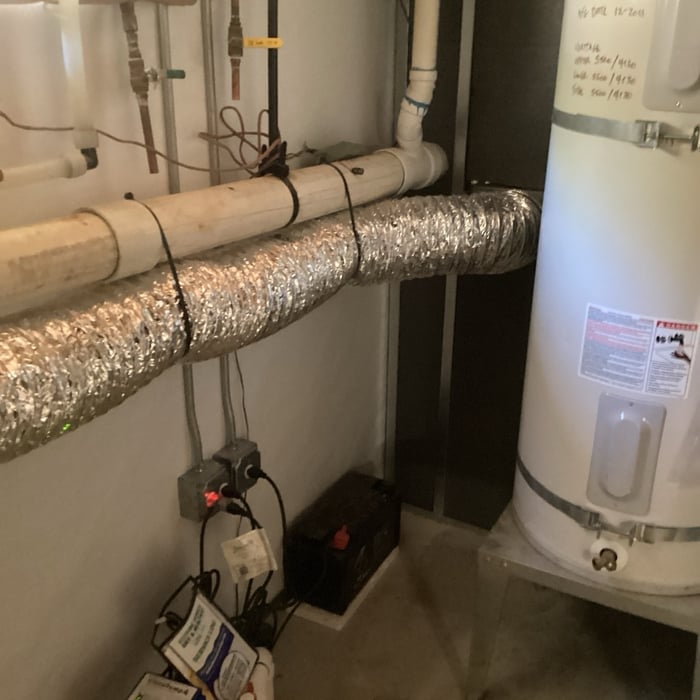
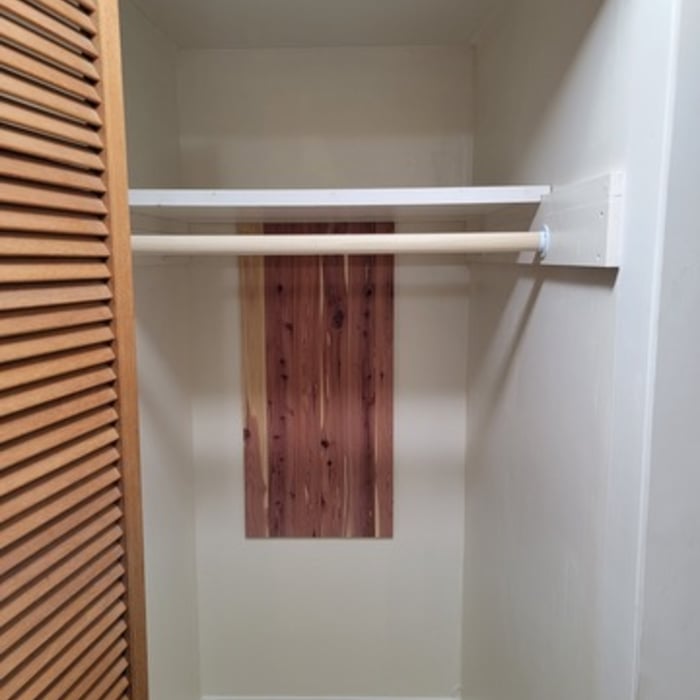
"We've been using Chase Power for all our home projects over the last 4 years - from upgrading our lighting in our home office and family room, adding closet lighting, installing a new electrical panel, hybrid water heater and new outlets/light switches. They do excellent work, arrive as scheduled, and go beyond when it comes to customer service. We highly recommend them!"
FOCALPOINT SIGN
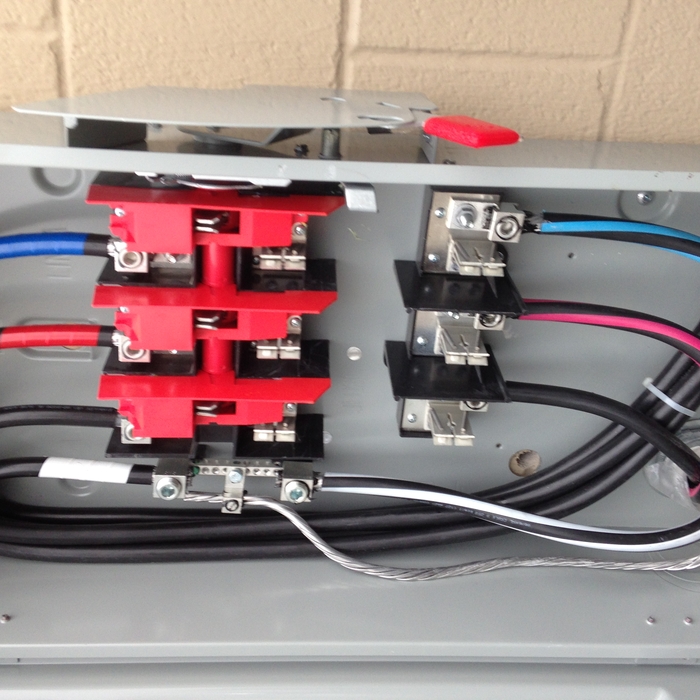
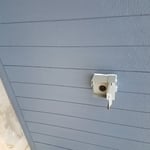
GFCI FOR HOT TUB AND RECEPTACLE FOR RV
30A  RECEPTACLE
Response time2 days
Recommended by95%of homeowners
Avatar for Connections Electric Group Inc.
Connections Electric Group Inc.
5.0(
5
)
Electrical Switches, Outlets & Fixtures - Install or RepairElectrical Wiring or Panel UpgradeElectrical Switches, Outlets & Fixtures - Install or Repair - For Business+7 more

Serving Lyons, OR and surrounding areas

Approved

In business since 1990

Free estimates

Emergency services offered

Since 1990, Connections Electric has been the trusted name for electrical services in Salem, Oregon. As a leading electrical contractor, they specialize in a full spectrum of solutions, catering to the unique needs of residential, commercial, and industrial clients. From routine maintenance and electrical repairs to complex new construction wiring and energy-efficient upgrades, their experienced team is committed to delivering reliable, high-quality results. Connections Electric ensures every project, including low-voltage systems and emergency repairs, is handled with meticulous attention to detail and a dedication to customer satisfaction. "We harness the power of the Gods and make it work for you!

5 neighbors recently requested a quote
...
Showing 1-10 of 83
Electrical questions, answered by experts

Usually, your house panel is one of the key components that must be replaced when upgrading your amp service. In many cases, you will also need to upgrade your meter base as well as other electrical components.

When converting a standard 120-volt outlet to a 240-volt outlet, the only components you can typically reuse are the existing electrical box and the hole in the wall. Everything else—including the wiring, breaker, and receptacle—should be replaced to ensure both safety and efficiency. Appliances designed for 240 volts have different plug configurations that won’t fit into a standard 120-volt outlet, making it necessary to install a compatible 240-volt receptacle. This design helps prevent overloading or underloading the power available to any one outlet or circuit.

You can determine what size generator you need for a transfer switch by matching the switch to the largest outlet on your generator. Larger generators can power up to 10 circuits, while most 5,000-watt generators can provide power to six circuits. So, if your generator’s largest outlet is 30 amps, you’ll need a 30-amp transfer switch.

A small sump pump running infrequently uses an average of 10 kilowatt-hours (kWh) of electricity per month. The average cost for electricity is $0.171 per kWh. The size and use frequency affect how much electricity it uses. Sump pumps average one-third to one horsepower (hp) motors. One hp is equal to 745.7 watts. Watts multiplied by the time your pump is running divided by 1,000 equals your average kWh. Multiply kWh by your average cost of electricity. In areas with high rain or a marsh basin, the average cost can be as high as $15-$25 a month.

When installing an outdoor outlet, it's important to proceed with caution. Unless you have the necessary training and licensure, it's not recommended to attempt this DIY. First, choose a suitable location. Make sure that the area can accommodate the outlet without overloading the circuit. You'll also need to ensure that your project complies with building codes. Next, turn off the power to the circuit, then install and wire the outlet according to the manufacturer's instructions. Once the outlet is in place, test it. Lastly, be sure to use a cover that will protect it from moisture and other weather-related damage.

The Lyons, OR homeowners’ guide to electrical services

From average costs to expert advice, get all the answers you need to get your job done.