






Top-rated electricians.

Get matched with top electricians in Turner, OR

Enter your zip and get matched with up to 5 pros

TRUSTED BY TURNER, OR HOMEOWNERS

  • Average homeowner rating star icon4.7
    Average homeowner rating
  • Verified reviews icon284
    Verified electrical services reviews

Find Electricians in Turner

Avatar for Connections Electric Group Inc.
Connections Electric Group Inc.
5.0(
5
)
Electrical Switches, Outlets & Fixtures - Install or RepairElectrical Wiring or Panel UpgradeElectrical Switches, Outlets & Fixtures - Install or Repair - For Business+7 more

Serving Turner, OR and surrounding areas

Approved

In business since 1990

Free estimates

Emergency services offered

Since 1990, Connections Electric has been the trusted name for electrical services in Salem, Oregon. As a leading electrical contractor, they specialize in a full spectrum of solutions, catering to the unique needs of residential, commercial, and industrial clients. From routine maintenance and electrical repairs to complex new construction wiring and energy-efficient upgrades, their experienced team is committed to delivering reliable, high-quality results. Connections Electric ensures every project, including low-voltage systems and emergency repairs, is handled with meticulous attention to detail and a dedication to customer satisfaction. "We harness the power of the Gods and make it work for you!

6 neighbors recently requested a quote
...
Showing 1-10 of 109
Electrical questions, answered by experts

The NEC requires electrical outlets be installed in a kitchen that has a sink 12 inches wide and 24 inches deep. According to the code, that outlet must be within 2 feet of the kitchen sink. Bathrooms must have at least one electrical outlet, it must be GFCI, and it must be within 3 feet of the bathroom sink.

To prevent a plug from overheating, always ensure that the electrical load connected to the plug does not exceed the plug's capacity. If the plug feels hot to the touch or emits a burning smell, immediately shut off the circuit breaker and unplug all devices from the hot outlet. Prevent electrical fires by avoiding using extension cords or adapters with the plug, as they can cause it to overheat due to increased resistance. Additionally, ensure that the plug is properly inserted into the outlet and that the outlet is not damaged or loose. 

A C-wire is typically blue, but don’t rely on colors to find which wire is which when it comes to thermostat wires. The C-wire may also be black, brown, or purple. Instead, if you’re looking for the C-wire, look at the thermostat panel for a wire connecting to “terminal C,” or call in a pro to help you look for a C-wire.

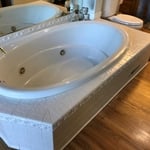
Yes, hot tubs can use a significant amount of electricity, primarily to keep the water heated. A typical hot tub uses between 1,500 and 6,000 watts, and the pump can add another 1,500 watts. This usage can result in a monthly cost of around $20 to $30. The exact amount of electricity consumed depends on several factors, including the hot tub's age, size, heater voltage (120V vs. 240V), usage habits, and thermostat setting. Newer, energy-efficient models generally use less power than older ones. To reduce electricity costs, consider investing in an energy-efficient model, using a quality insulated cover with a thermal blanket, and keeping the filters clean.

While you might not need to put lights and outlets on separate circuits, some local codes may require that you use separate circuits. Installing a separate circuit helps prevent total darkness in your home when your receptacle outlets take on too much power and blow a fuse or trip the breaker. It also costs less and is easier to simply install a new circuit.

The Turner, OR homeowners’ guide to electrical services

From average costs to expert advice, get all the answers you need to get your job done.