



Villeda General Contractor
Building Site - Preparation and ClearingExcavation - Major Grading or Resloping
Serving Dufur, OR and surrounding areas
Approved
We provide construcción services for Excavation, Concrete and Roofing

*The Angi rating for Excavation companies in Dufur, OR is a rating based on verified reviews from our community of homeowners who have used these pros to meet their Excavation needs.
*The HomeAdvisor rating for Excavation companies in Dufur, OR is a rating based on verified reviews from our community of homeowners who have used these pros to meet their Excavation needs.
Last update on September 13, 2026
Serving Dufur, OR and surrounding areas
Approved
We provide construcción services for Excavation, Concrete and Roofing
Serving Dufur, OR and surrounding areas
In business since 2014
Free estimates
Credit card accepted
"It has been a pleasure to work with this contractor. He keeps his appointments, does what he said he would and is very professional. He has a lot of experience and can offer pointers that make a better finished product. I will be hiring them for more projects as we move forward with the building plans."
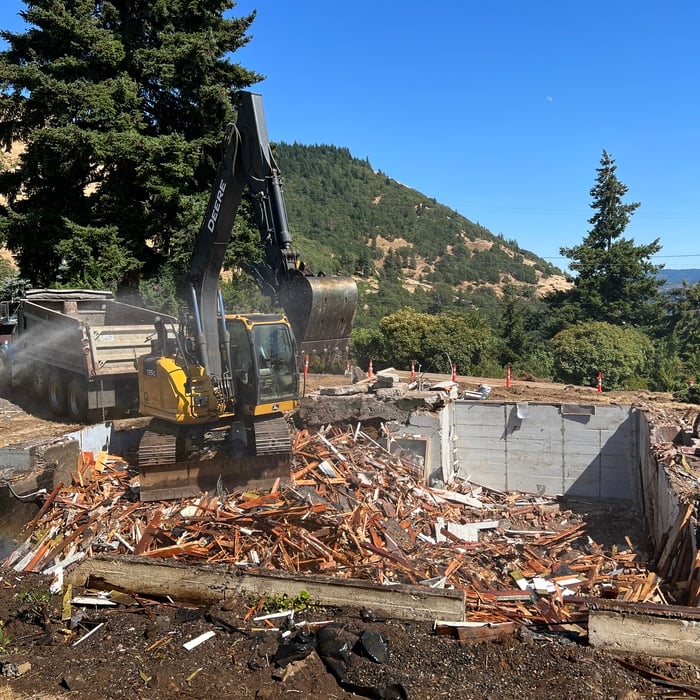
+3

Serving Dufur, OR and surrounding areas
In business since 2021
Free estimates
Small jobs welcome
"When you need something done call Riverview Renovations. Richard will take care of whatever you need. Awesome guy and awesome service! I highly recommend him!"
+175

Serving Dufur, OR and surrounding areas
In business since 1983
Free estimates
Credit card accepted
"Excellent! They did an awesome job!"
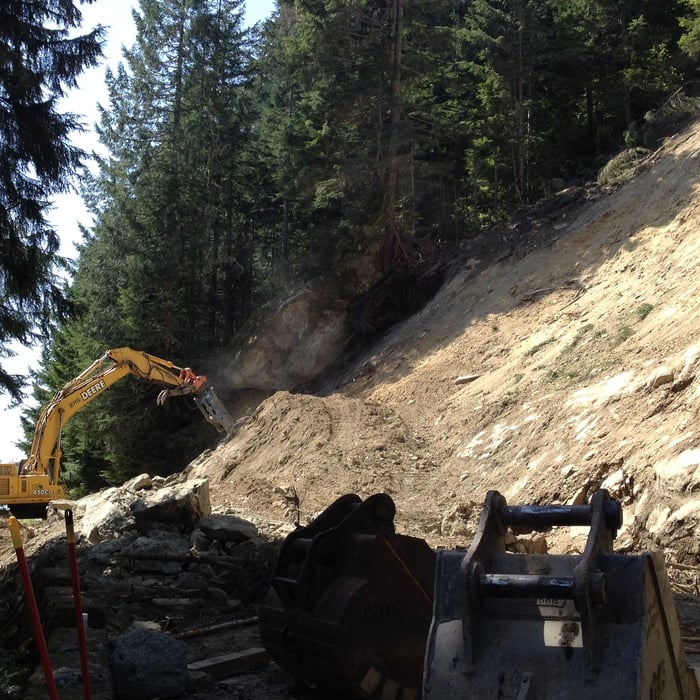
+48
Serving Dufur, OR and surrounding areas
In business since 2019
Free estimates
Credit card accepted
"When we decided to go forward with our backyard project, it was an easy decision to hire Julio’s company again. We first hired him a few years ago for a brand new sod install, new irrigation, and a garden bed in our front lawn. His team was on time, did quality work, and are friendly and honest people. Fast forward to this year, we wanted to make our backyard into usable space. It required a retaining wall, bringing in dirt to level the yard, laying gravel, and creating a fire pit to lounge at. The project also had a tight timeframe - one that I only trusted Julio with. I will hire Julio again and again and I wholeheartedly recommend him. You’ll be happy you reached out to him for your landscaping project."
Serving Dufur, OR and surrounding areas
In business since 1996
Free estimates
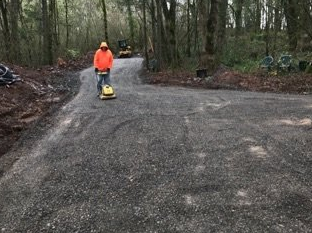
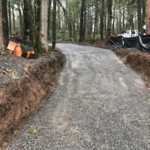
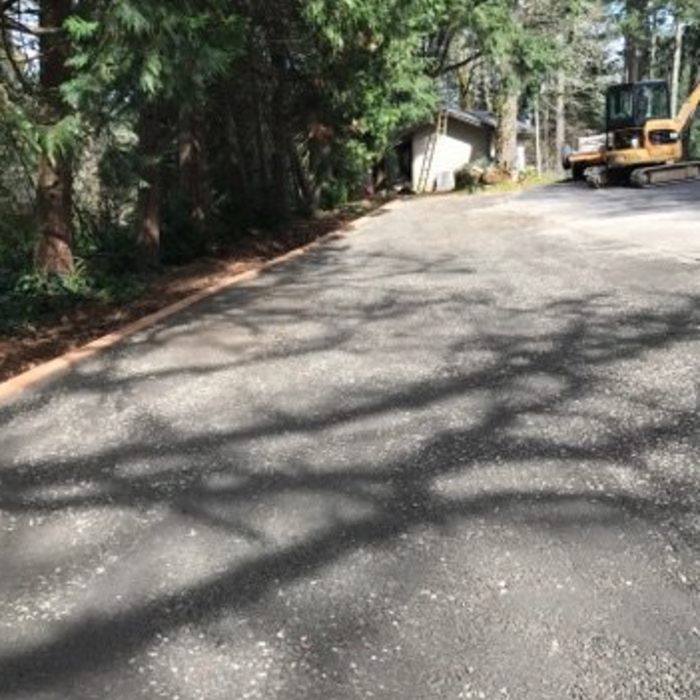
"It was a great experience. George does a good job, he listens and is a nice guy."
+3
Serving Dufur, OR and surrounding areas
In business since 2007
Emergency services offered
"They did a real good job. They were real professional. We can now open the garage door from the inside of the house and now it is so smooth that we have to check to see if we hit the button to open it or close it. Before we used to know when it was opening or closing because it used to make a noise. It helps when you move to a city where you are new. "

Serving Dufur, OR and surrounding areas
In business since 2020
Free estimates
Credit card accepted
"Great quality installation, respectful of their space and workers, amazing clean up and timely order."





+2
Serving Dufur, OR and surrounding areas
My name is Will I have been working in construction/ excavation for the last 12 years. I currently work for Elk Mountain Construction out of sandy oregon. I am wanting to grow and begin taking on some jobs in between working for Elk Mountain. My current role for Elk Mountain is Foreman/supervisor/operator. I have run many jobs including but not limited to site prep, land clearing, tree removal storm water systems, pond digouts, rock and block retaining walls, pipe work, septic installation, house dig outs, road maintenance and installation, water storage, landscape, hardscape, cultured stone work, general construction projects. I can handle just about any job that im given. I have great resources that I can call in to help with larger projects. I would love to fill gaps in my schedule with smaller projects but also have the ability to move stuff around to accommodate larger projects as well. I am a married 32 year old man who is hungry for opportunity.
Serving Dufur, OR and surrounding areas
In business since 2007
Free estimates
Credit card accepted
Since 2007, H & H Excavation, Inc., has served Canby and the surrounding areas. Specializing in building site preparation and clearing and septic system installation and replace for both home owners and business owners. We have provided high quality work and friendly customer service for years. Let us help you with your project, we look forward to earning your business!
From average costs to expert advice, get all the answers you need to get your job done.

Excavation costs $1,500 to $6,300 for most residential projects—but it depends on factors like the size of the area. This guide will help you plan a budget.

Preparing for a big excavation project in your yard? Find out excavator rental prices by type, project size, and more to budget for your project.

You can't have an in-ground pool without digging into the ground. How much does pool excavation cost, and can you take it on yourself? Our guide explains.

Can you excavate in the winter? Sometimes, but it’s complicated. Find out the pros, cons, and steps for planning a winter excavation project.

Discover what excavation is, the different types, and when it's needed in construction. Learn key insights for your next big home project.
Planning a backyard overhaul? Learn about grading and excavation costs, site preparation steps, and how to hire the right local pro for your project.