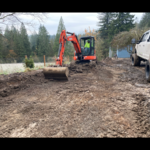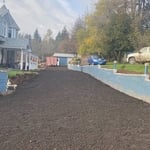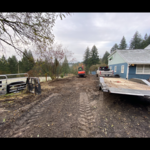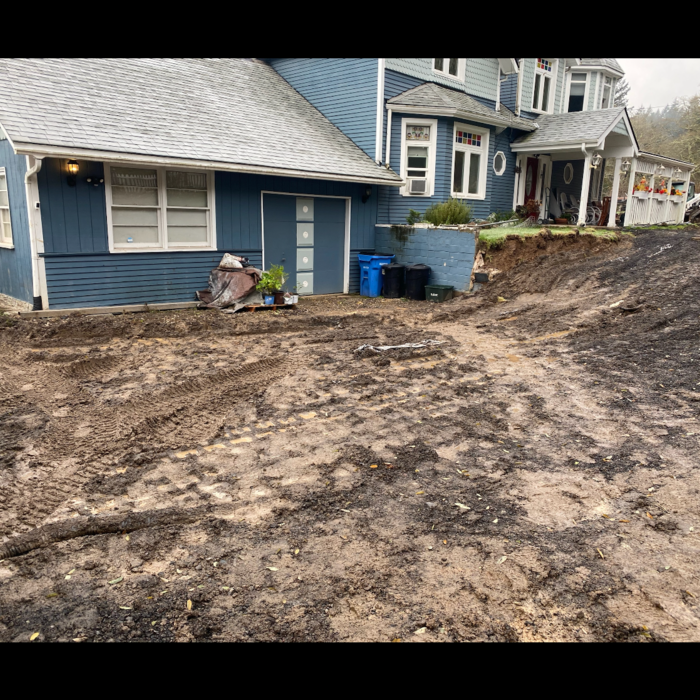






Top-rated excavation pros.

Best excavation pros near Hood River, OR

Enter your zip and get matched with up to 5 pros

Need a pro for your excavation project in Hood River, OR?

Select your specific project to find the pro for you.

Top-Rated Excavation pros in Hood River - Updated Nov 2026

Avatar for Dirt Road Excavation & Debris, LLC
Dirt Road Excavation & Debris, LLC
4.7(
36
)
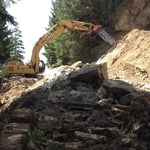
Excavation - Major Grading or ReslopingBuilding Site - Preparation and ClearingLandscape - Minor Grading or Resloping+2 more

Serving Hood River, OR and surrounding areas

Approved

Super Service Award Winner

In business since 2020

Free estimates

Emergency services offered

"I was very happy with Dirt Road Excavation & Debris. They were easy to reach very accommodating on my schedule needs, quick and efficient. I had no problems with them at all and it was a relieve to have the big junk we needed gone after doing renos gone without any hassle."
Response time11 hrs
28 neighbors recently requested a quote
Recommended by90%of homeowners
Avatar for Horizon Construction & Development, LLC
Horizon Construction & Development, LLC
New to Angi
Building Site - Preparation and ClearingExcavation - Major Grading or Resloping

Serving Hood River, OR and surrounding areas

Approved

In business since 2025

Free estimates

Emergency services offered

Horizon Construction & Development LLC is dedicated to providing our customers with the best quality and craftsmanship. We are here to build relationships with our customers and communities and to provide our employees with a great place to work. We look forward to working with you!

11 neighbors recently requested a quote
Avatar for Timberline Construction LLC
Timberline Construction LLC
4.1(
10
)
Excavation - Major Grading or ReslopingExcavation - Major Grading or Resloping - For BusinessLandscape - Minor Grading or Resloping

Serving Hood River, OR and surrounding areas

In business since 2019

Free estimates

Offers commercial services

"Dan came out and accessed my need (leveling grade for a greenhouse and building a solid base) and provided specific professional suggestions including a plan. Communication throughout the process was perfect. The end result was exactly what how he described and fit my needs 100%! I would not hesitate to recommend him/his crew and would solicit him for future projects."
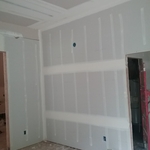
Siding of Remodel
Remodel
Addition to Log Sided home
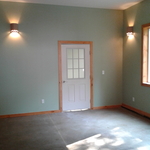
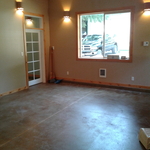
Living room addition to log sided home
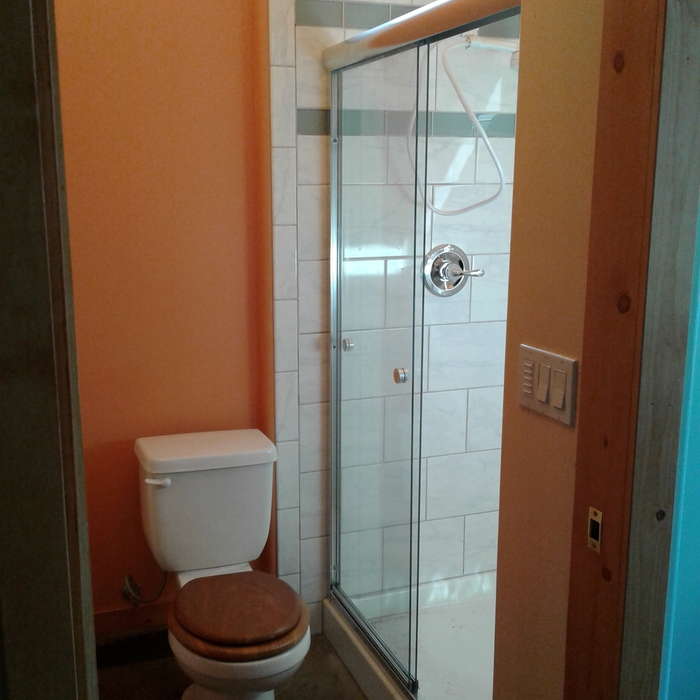
Bathroom in Log sided home addition

+19

Response time2 days
Response rate90%
Recommended by77%of homeowners
Showing 1-10 of 31
Excavating FAQs, answered by experts

Most residential basements are 8 to 10 feet deep. You can dig deeper depending on building codes, but it does become more difficult. You’ll likely need to install stronger foundation walls and additional supports to handle the increased load. Depending on the water table, you may also need a water management system. Clay soil can support a deeper foundation than sandy soil. A structural engineer will be able to tell you the maximum, feasible depth.

The cost to drill a well varies, with a national average of around $5,500 for a 150-foot well. However, prices can fluctuate significantly based on several factors, including your location, the required well depth, geological conditions, local regulations, and the specific drilling methods used. For the most accurate cost assessment, it is best to research and get quotes from local well-drilling professionals in your area.

We recommend removing the stump, and grinding is a popular way to do it. You can also dig out small stumps or stumps that have fully decayed instead of grinding them. However, don’t try using acids or fire for killing a tree stump, which is a fire hazard and illegal in many areas.

Leaving the stump alone invites eventual problems, including attracting termites, mold, and fungi.

How deep your septic system needs to be into the ground depends on several factors. In extremely cold environments, the tank needs to rest below the maximum frost line, which can be up to six or eight feet deep. The standard burying depth for most systems is between a few inches and four feet below ground level. Depth can also depend on the slope of the landscaping and other property variables. 

No, a ditch isn’t a trench. A ditch is an open, relatively shallow channel that’s carved out of the ground and used for drainage purposes. In contrast, a trench is a deeper excavation that’s entirely underground. Trenches have many uses, including gas lines, sewage systems, and electrical wiring. Unlike trenches, ditches don’t get filled back in with dirt after they’re dug.

The Hood River, OR homeowners’ guide to excavation services

From average costs to expert advice, get all the answers you need to get your job done.