






Top-rated excavation pros.

Get matched with top excavation pros in Lyle, WA

Enter your zip and get matched with up to 5 pros

Need a pro for your excavation project in Lyle, WA?

Select your specific project to find the pro for you.

Find Excavation pros in Lyle

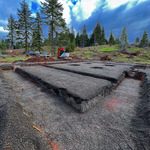
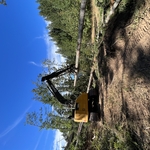
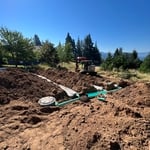
BRHO Excavation
5.0(
1
)

Serving Lyle, WA and surrounding areas

In business since 2017

Free estimates

Credit card accepted

"BRHO Excavation did a great job for me. I could not have found a better company to accommodate my needs. Jacob had great communication skills. He answered all my questions, and explained his process really well. He did exactly what he said he was going to do. His customer service skills were awesome. His scheduling was flexible, He was prompt and punctual. He was up front with me in every aspect of project. There were no surprises. He really exceeded my expectations. Great experience."
Response time2 hrs
Recommended by100%of homeowners
Showing 1-10 of 23
Excavating questions, answered by experts

Most professional excavation teams will charge between $8 and $15 per cubic yard. Calculate the cost by finding the volume of your pool—width x length x depth—and dividing it by 27. Then, multiply the price by the cubic yards from your equation. Budget for complications like a rocky lawn, hard-to-access pool area, or high local labor prices.

Yes. A metal detector is one of the quickest and easiest ways to find your septic tank. However, metal detectors can be too expensive (costing upward of $300 in some cases), and not everyone has a metal detector just lying around. If that’s the case for you, you can also take a long metal rod and poke it into the ground at regular intervals until you hit something—likely your septic tank lid.

There are many ways to cut through roots when digging, especially if your trencher doesn’t seem to be removing the roots. First, use a shovel to expose the roots. Then, use gardening shears to clear out smaller roots or a reciprocating saw to remove larger plant roots. If you plan on keeping the plant, avoid cutting any roots over 2 inches thick.

Sewer lines can be buried anywhere from 18 inches to 8 feet deep, with a common average depth between 18 and 30 inches. The exact depth depends on local factors like climate and soil type. In colder regions, pipes must be buried deeper (below the frost line) to prevent freezing, sometimes as deep as 8 feet. The digging depth can also impact the cost of sewer line replacement. To find the specific depth for your property, you can check the building plans for your system, which should be on file with your city or local sanitation department since permits are required for installation.

Consultation with the local government helps identify necessary permits, avoid project delays or legal issues, and protect project integrity.

The Lyle, WA homeowners’ guide to excavation services

From average costs to expert advice, get all the answers you need to get your job done.