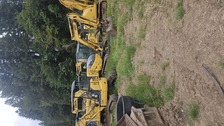
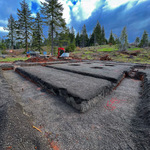
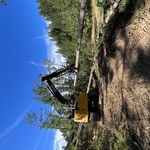
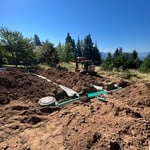
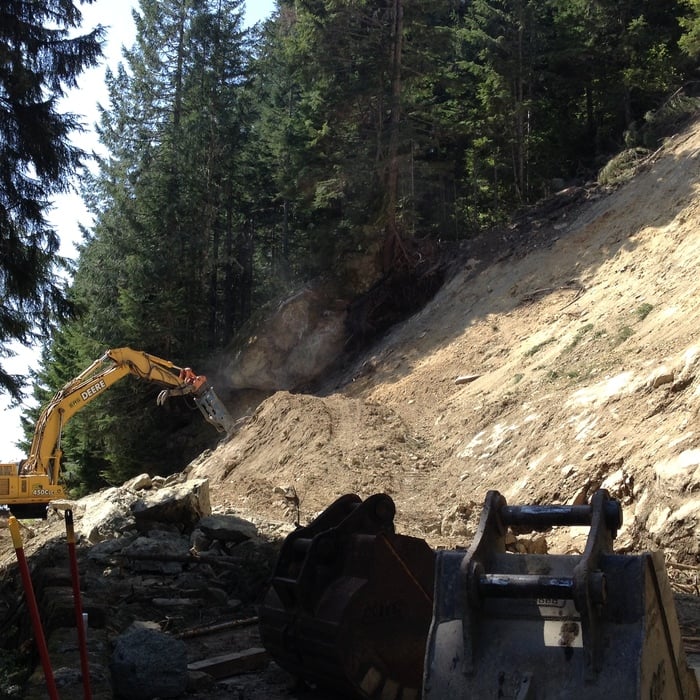
"Cavallero Earthworks came to our home when he said he would be here. He sat and listened as we explained our problem. He took charge: filled out forms, contacted the proper county agency, gave us a bid amount and my husband and I just sat there in the kitchen after he left awestruck by the proficiency and speed in which Ben handled everything. He took time out of his busy schedule and was in constant contact with us, keeping us informed of where we were in the process. He stayed focussed on the task and completed it quickly and efficiently. Professional, good communicator, proficient on the equipment, knowledgeable in his line of business, and just a really nice person! My husband and I appreciate Cavallaro Eartworks and wish them the best."
We pride our company on reliability, great communication, integrity, and quality work. We are experts in our trade and will do our best to keep you as educated as we can on your particular task or project. We look forward to earning your business! Book with us online or feel free to give us a call today!
"It has been a pleasure to work with this contractor. He keeps his appointments, does what he said he would and is very professional. He has a lot of experience and can offer pointers that make a better finished product. I will be hiring them for more projects as we move forward with the building plans."
"When you need something done call Riverview Renovations. Richard will take care of whatever you need. Awesome guy and awesome service! I highly recommend him!"
"We were very pleased! They are very fast and efficient in their work. Even after they were done, there were door handles that needed fixing since we have doors that sometimes children slam but they came out right away and immediately fixed everything. They are great!"
There is no standard depth for burying a septic tank; they are typically buried anywhere from 4 inches to 4 feet underground. The final depth depends on several factors, including the depth of your main sewer line, the height of the bedrock, soil type, local regulations, and the property's landscape. If you plan to grow grass or plants over the tank, a depth of at least 4 to 6 inches is recommended. Deeper tanks can be more difficult to locate, but a septic professional can help find it for you.
Digging a bush up by the roots is the most natural DIY method for removing a bush stump. Start by identifying the shrub type and revealing its roots. Cut the shrub to its base and loosen the soil, ensuring no utility lines are nearby. Optionally, treat the base with herbicide, then dig around the roots and cut a circle around the shrub using various tools. Dig a trench, cut the base of the root ball, and finally fill the hole to prevent regrowth. This thorough process ensures complete removal without damaging surrounding areas.
Sewer lines can be buried anywhere from 18 inches to 8 feet deep, with a common average depth between 18 and 30 inches. The exact depth depends on local factors like climate and soil type. In colder regions, pipes must be buried deeper (below the frost line) to prevent freezing, sometimes as deep as 8 feet. The digging depth can also impact the cost of sewer line replacement. To find the specific depth for your property, you can check the building plans for your system, which should be on file with your city or local sanitation department since permits are required for installation.
Maintain open communication and address issues as they arise, ensuring contract terms cover potential delays.
Your contractor should handle dust control during the project. It's best to speak with your contractor beforehand to check if they plan to cover your furniture, protect your vents, or use fans to redirect dust. Eliminating drywall dust is a particularly large challenge during construction, so always take this into account during your planning phase.
The Maupin, OR homeowners’ guide to excavation services
From average costs to expert advice, get all the answers you need to get your job done.
Excavation costs $1,500 to $6,300 for most residential projects—but it depends on factors like the size of the area. This guide will help you plan a budget.
You can't have an in-ground pool without digging into the ground. How much does pool excavation cost, and can you take it on yourself? Our guide explains.
Picking the right pro can make or break your project. Learn how to hire an excavation pro with the qualifications and skillset to do the job efficiently.