

Top-rated paving pros.

Best paving pros near Kiowa, OK

Enter your zip and get matched with up to 5 pros

Need a pro for your paving service project in Kiowa, OK?

Select your specific project to find the pro for you.

Top-Rated Paving pros in Kiowa - Updated Nov 2026

C-Mac Trucking LLC
New to Angi
Gravel or Loose Fill Paving - Install, Spread or Scrape

Serving Kiowa, OK and surrounding areas

Approved

In business since 2012

Free estimates

Offers commercial services

We take great pride in our experience, expertise, quality, and customer service that we provide to meet the consumers' needs. It is our mission to provide excellent workmanship, and complete customer satisfaction from start to completion of a project. In order to understand the needs, and expectations of our customers, we take great care to work, and communicate with every customer in a professional manner. Our reputation is based on service, safety, and quality, regardless of how large or small the job.

Response time7 hrs
Showing 1-10 of 30
Paving Services FAQs, answered by experts

A driveway's lifespan varies by material. Asphalt driveways typically last 15 to 30 years, while concrete driveways last longer, between 20 and 50 years. The longevity of any driveway is affected by factors like extreme temperatures, heavy traffic, and the quality of maintenance. Regular upkeep, such as filling cracks, resealing the surface, and ensuring proper drainage, can help extend its life. For gravel driveways, regrading to fill in uneven areas every year or two is recommended.

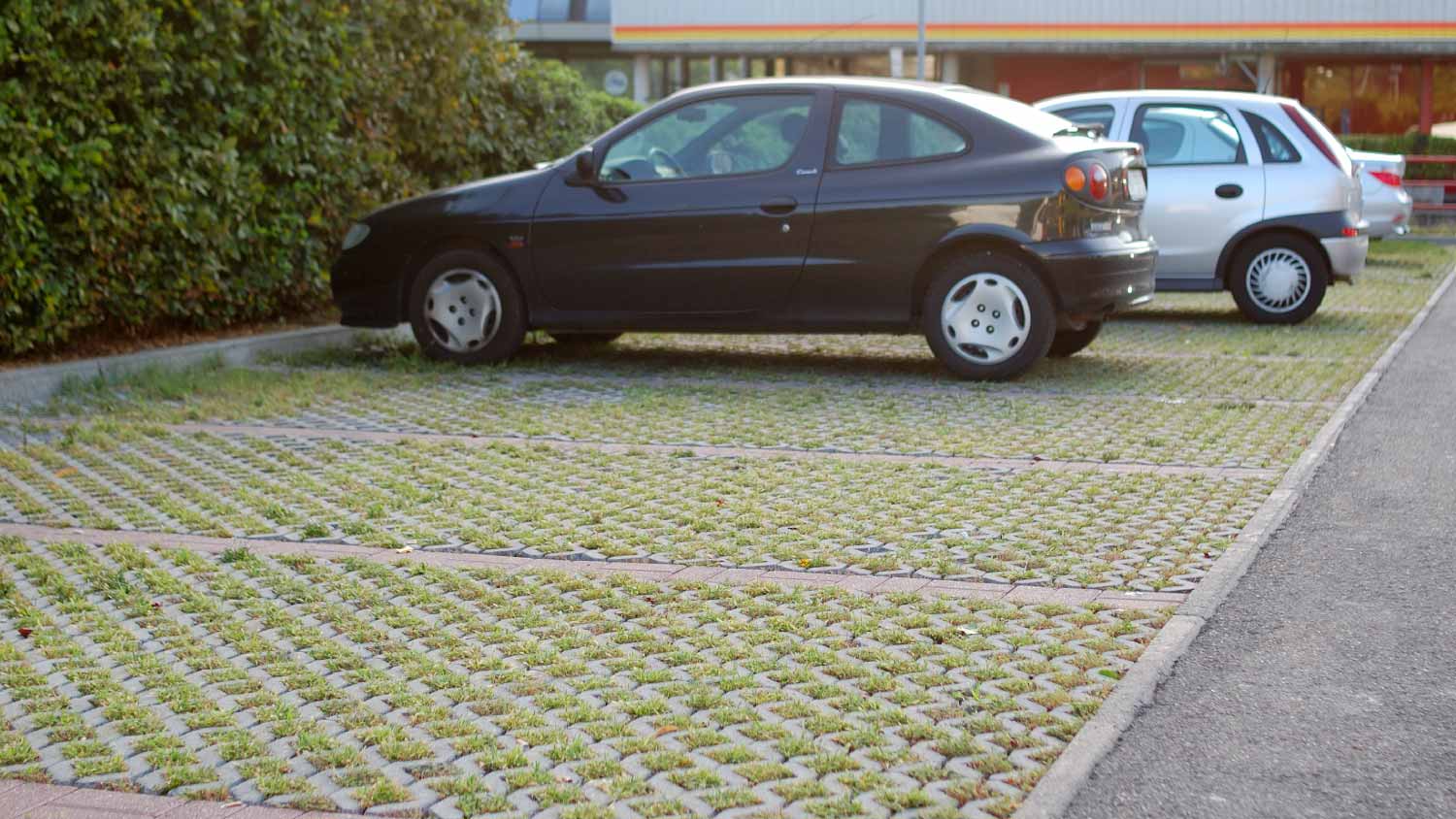
The most obvious disadvantage of permeable paving is that the cost is typically higher compared to non-permeable concrete, pavers, or asphalt methods. Also, the porous material can get clogged with dirt and debris, requiring cleaning and power washing more frequently than standard paving materials and methods. Although permeable paving is not ideal for highways, airports, and other surfaces supporting heavy traffic and machinery, it is suitable for regular residential driveways.

The best ways to increase the lifespan of your driveway are to carry out proper maintenance and get repairs done quickly. First, reseal your driveway every one to three years to protect it from the elements. If you start to notice significant cracks, hire a professional to diagnose the problem before it gets more serious. You can also use sand instead of salt when de-icing your driveway (since salt is corrosive) and clean your driveway annually using a pressure washer to keep it in tip-top shape.

The dimensions of a driveway apron vary based on local building codes, the width of your driveway, and the distance between the driveway and the road. On average, aprons range from 12 to 24 feet wide and 8 to 18 feet long. Typically, the end of the apron connected to the driveway matches its width—such as 10 to 12 feet for a single-car driveway—while the end at the street flares out to allow cars to turn in and out more easily. In some areas, you may not be responsible for the portion of the apron that extends beyond the sidewalk, but this depends on local laws.

Asphalt and tarmac are not the same thing. Traditional tarmac, short for tarmacadam, uses tar as a binder to hold crushed stone together. Asphalt uses bitumen—a byproduct of crude oil—to bind aggregate. Though tarmac was once a go-to for roads, asphalt has become the modern standard. And these days, most surfaces referred to as “tarmac” are actually asphalt. So, while the names may overlap, the key distinction lies in the binder—tar for tarmac and bitumen for asphalt.

The Kiowa, OK homeowners’ guide to paving services

From average costs to expert advice, get all the answers you need to get your job done.