








Top-rated paving pros.

Get matched with top paving pros in Byng, OK

Enter your zip and get matched with up to 5 pros

Need a pro for your paving service project in Byng, OK?

Select your specific project to find the pro for you.

Find Paving pros in Byng

Avatar for No Kap Paving
No Kap Paving
4.2(
5
)
Asphalt Paving - InstallAsphalt Paving - Install- For BusinessAsphalt Paving - Repair or Patch+1 more

Serving Byng, OK and surrounding areas

In business since 2021

Free estimates

"The best work I’ve had done in all my 22 years! Would extremely recommend going to these young entrepreneurs! Don’t waste your money with a hit and miss company! Go to these guys and get the job done right the first time and every time you need them! Great company with a great mindset!"
Driveways - Asphalt Project

+42

Recommended by80%of homeowners
Avatar for Rolin Seal and Stripe
Rolin Seal and Stripe
4.8(
8
)
Asphalt Paving - Repair or Patch - For Business

Serving Byng, OK and surrounding areas

In business since 2014

Free estimates

Credit card accepted

"Rolin Seal and Stripe was very professional. Kept us informed about when temperature was correct. They arrived on time and did a great job. I recommend this asphalt company to others."
Before
Before
Before
Before
Before

+20

Response time2 days
Recommended by100%of homeowners
Showing 1-10 of 37
Paving Services questions, answered by experts

The ideal distance between stepping stones depends on your design preference. A general rule is to place them about 24 inches apart from center to center to match an average person's stride. Another common approach is to leave about 6 inches of space between the edges of each stone; this can be adjusted to fit the path's total length without cutting pavers. If you plan to plant between the stones, leave at least 6 to 8 inches of space to give the plants room to grow.

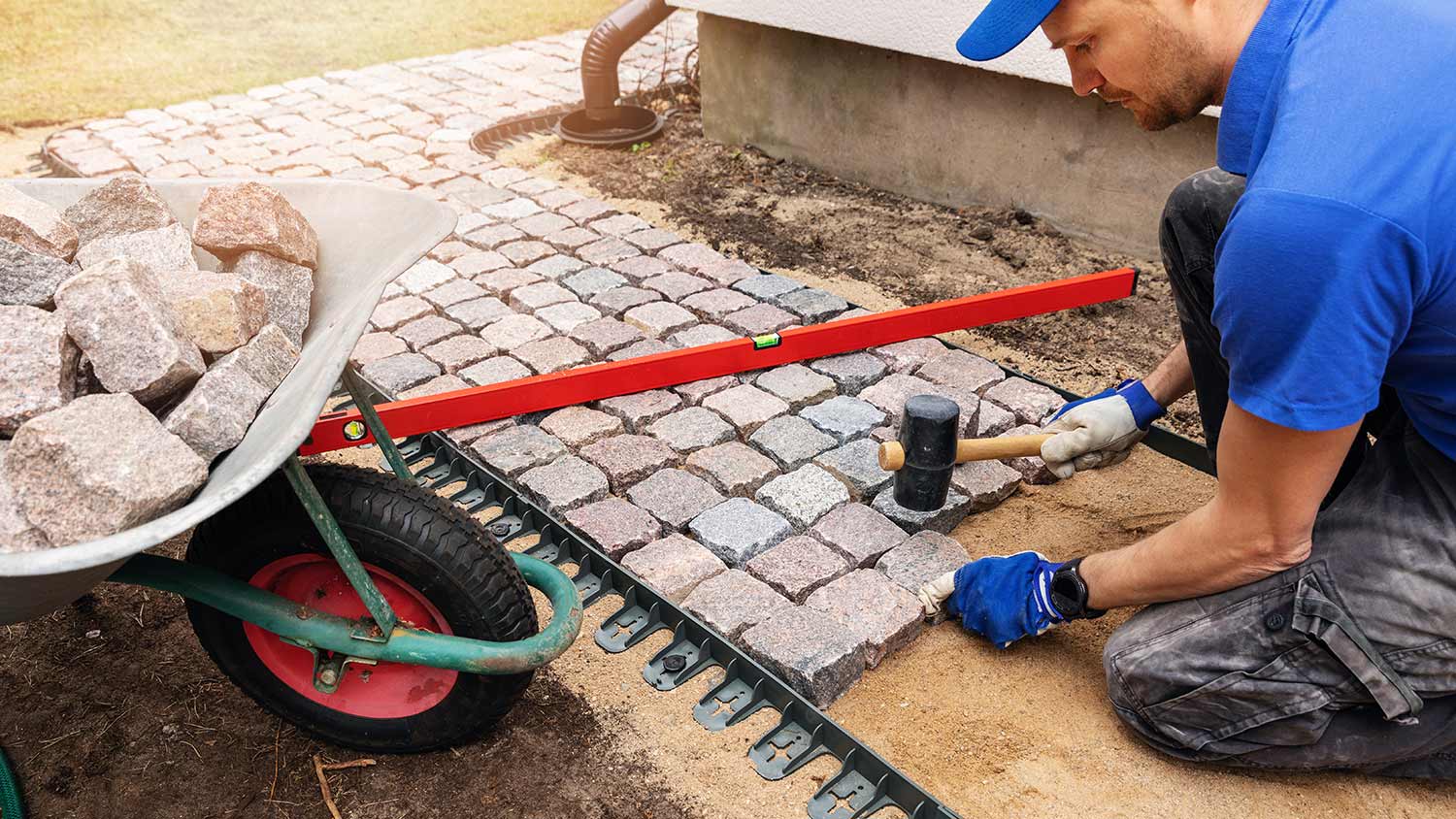
The recommended minimum amount for a paver base is 4 inches. From there, it depends on the kind of traffic the pavers will see and the current soil conditions. Two inches of paver base won’t create the amount of stability and support that pavers need to remain securely in place over time.

Pavers are a type of permeable hardscape that can be used for driveways, patios, walkways, and other landscaping features. Unlike poured concrete or asphalt, pavers typically have a layer of gravel underneath to prevent water runoff from damaging your property—though you can also lay pavers on grass. Because pavers are installed piece by piece, you can customize a one-of-a-kind hardscape that best suits your aesthetics, boosting your curb appeal along the way.

Asphalt and tarmac are not the same thing. Traditional tarmac, short for tarmacadam, uses tar as a binder to hold crushed stone together. Asphalt uses bitumen—a byproduct of crude oil—to bind aggregate. Though tarmac was once a go-to for roads, asphalt has become the modern standard. And these days, most surfaces referred to as “tarmac” are actually asphalt. So, while the names may overlap, the key distinction lies in the binder—tar for tarmac and bitumen for asphalt.

The answer to whether or not you need to get a permit before you start your driveway can vary widely based on local ordinances and the scope of your driveway ideas. In most urban and suburban areas, a permit is needed before building a new driveway to ensure that a homeowner is using safe materials and proper drainage practices while designing and constructing a new driveway. In some rural areas, a homeowner may not be required to apply for a permit. When building a new driveway on your own, always check with your local building department to see if you need to request a permit. When hiring a driveway contractor, verify that the right permits are being used before driveway construction begins.

The Byng, OK homeowners’ guide to paving services

From average costs to expert advice, get all the answers you need to get your job done.