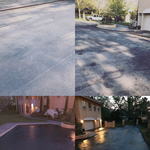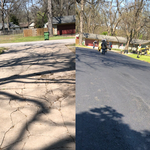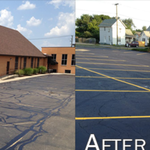



Top-rated paving pros.

Get matched with top paving pros in Boswell, OK

Enter your zip and get matched with up to 5 pros

Need a pro for your paving service project in Boswell, OK?

Select your specific project to find the pro for you.

Find Paving pros in Boswell

Avatar for KJO’s Construction Services
KJO’s Construction Services
New to Angi
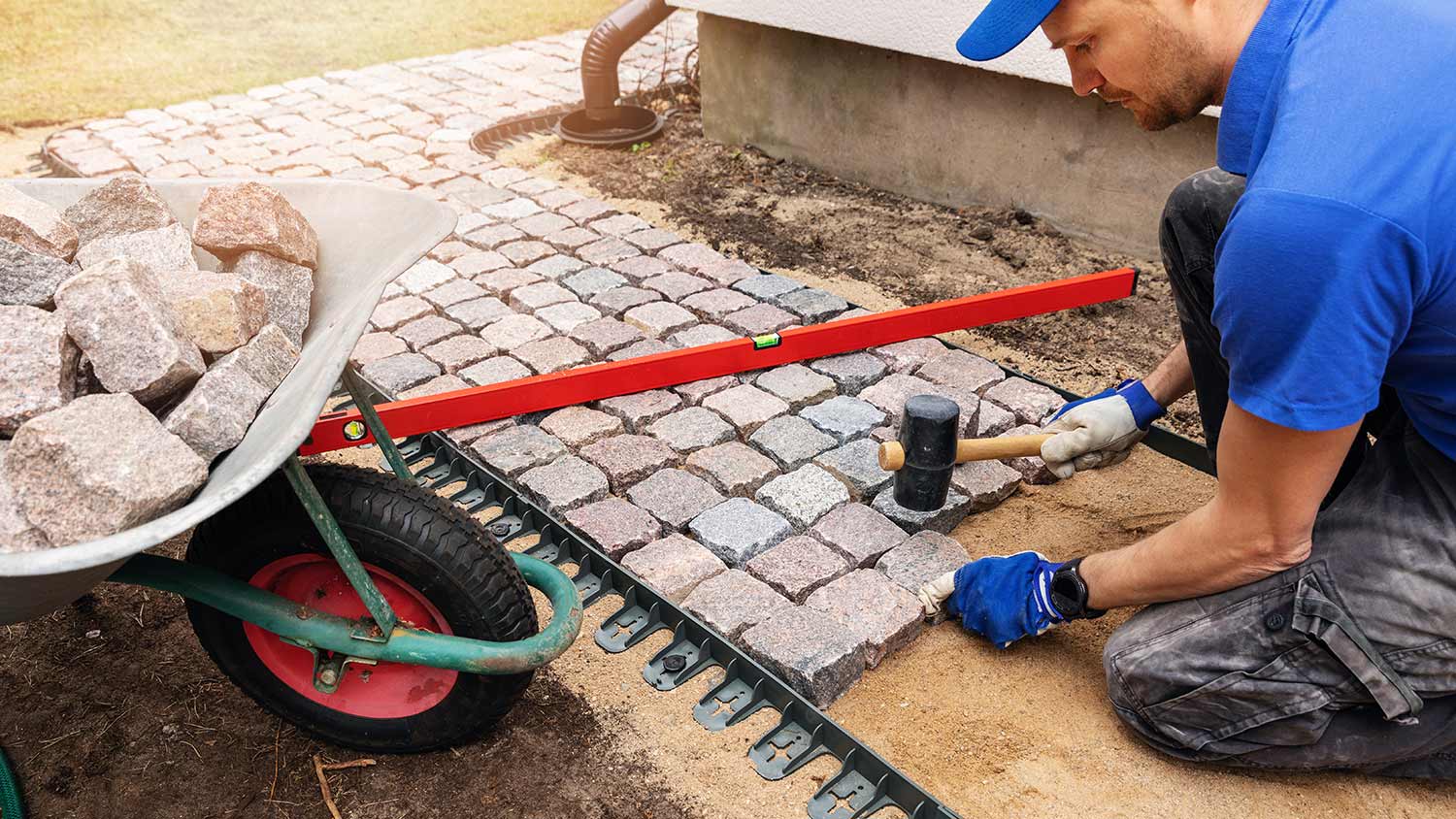
Interlocking Pavers for Patios, Walks & Steps - Install
Serving Boswell, OK and surrounding areas

Approved

Free estimates

Emergency services offered

Warranties offered

Send an email to [email protected] or a text to 972-897-8535 about your project to give you a quote & get it done as fast as possible.\n\nKJO’s Construction Services takes pride in waterproofing if you have any water leaks we can take a look & fix it, also we specialize in window wet glazing, painting, roofing, masonry & brick, restoration, carpentry, siding, stucco & texture, etc.

Leak inspection & repair

+59

Showing 1-10 of 31
Paving Services questions, answered by experts

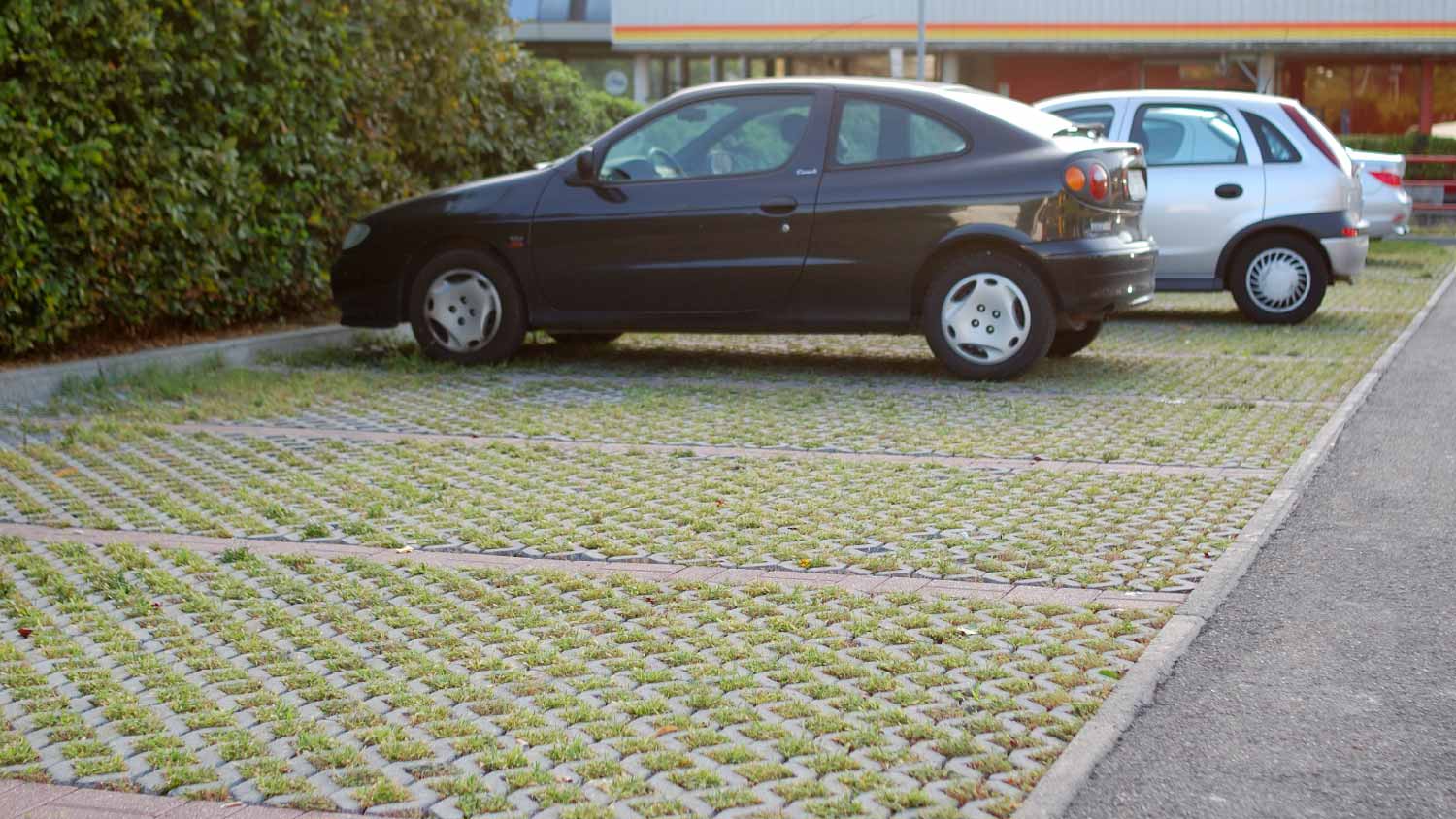
Interlocking pavers offer a number of advantages over regular pavers. For instance, they’re more durable, more resistant to shifting, and easier to repair. There are also permeable options that allow for drainage. However, interlocking pavers are more often more expensive than regular pavers and are prone to growing weeds over time.
The dimensions of a driveway apron vary based on local building codes, the width of your driveway, and the distance between the driveway and the road. On average, aprons range from 12 to 24 feet wide and 8 to 18 feet long. Typically, the end of the apron connected to the driveway matches its width—such as 10 to 12 feet for a single-car driveway—while the end at the street flares out to allow cars to turn in and out more easily. In some areas, you may not be responsible for the portion of the apron that extends beyond the sidewalk, but this depends on local laws.

Yes, it is possible to pave over an existing driveway, but whether it's the right choice depends on several factors. If the underlying structure of your current driveway is still strong, concrete or asphalt resurfacing can be a cost-effective way to prolong its life. However, if your driveway has significant issues like potholes, deep cracks, or other inconsistencies, it is best to remove the old driveway and start from scratch. Key factors to consider include the current driveway's condition, the compatibility of the new material, the added thickness and height, and the necessary surface preparation.

While paving a driveway is possible to do as a DIY project, we don’t recommend it. Hiring a driveway professional to pave it will ensure that your driveway looks neat and clean and lasts for years to come, and it will also prevent a weak driveway and, potentially, damage to your foundation. Paving a driveway requires heavy machinery, and while you can rent the equipment needed, operating it close to your garage slab or around your home’s foundation can crack it and lead to structural issues. 

Asphalt and tarmac are not the same thing. Traditional tarmac, short for tarmacadam, uses tar as a binder to hold crushed stone together. Asphalt uses bitumen—a byproduct of crude oil—to bind aggregate. Though tarmac was once a go-to for roads, asphalt has become the modern standard. And these days, most surfaces referred to as “tarmac” are actually asphalt. So, while the names may overlap, the key distinction lies in the binder—tar for tarmac and bitumen for asphalt.

The Boswell, OK homeowners’ guide to paving services

From average costs to expert advice, get all the answers you need to get your job done.