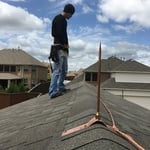
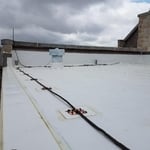
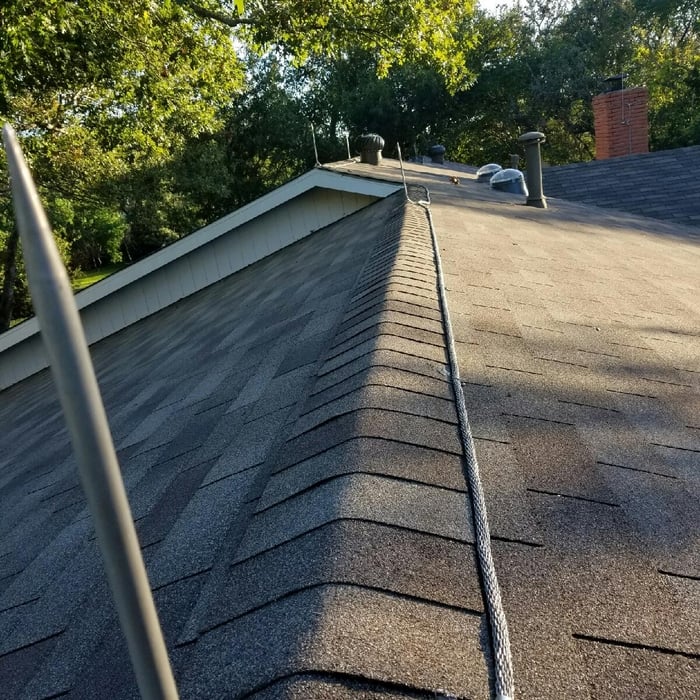
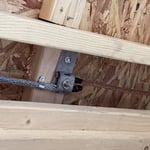
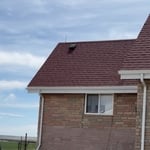
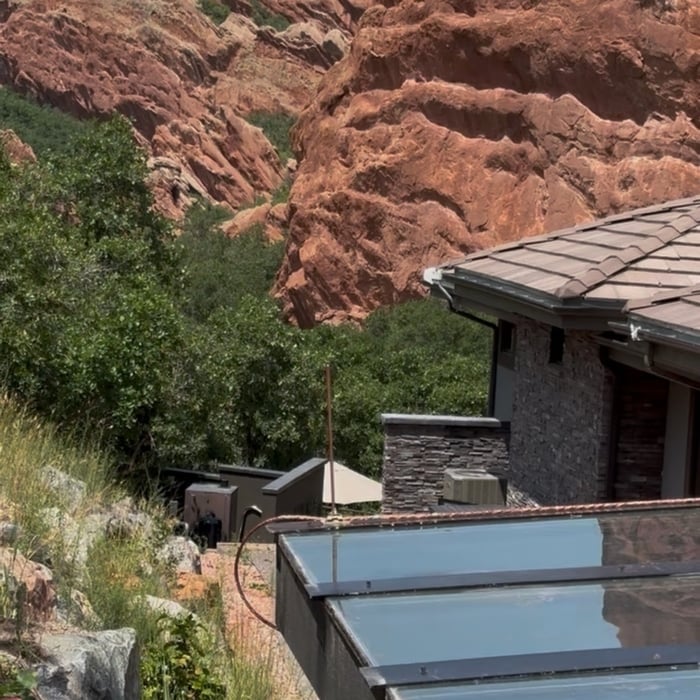
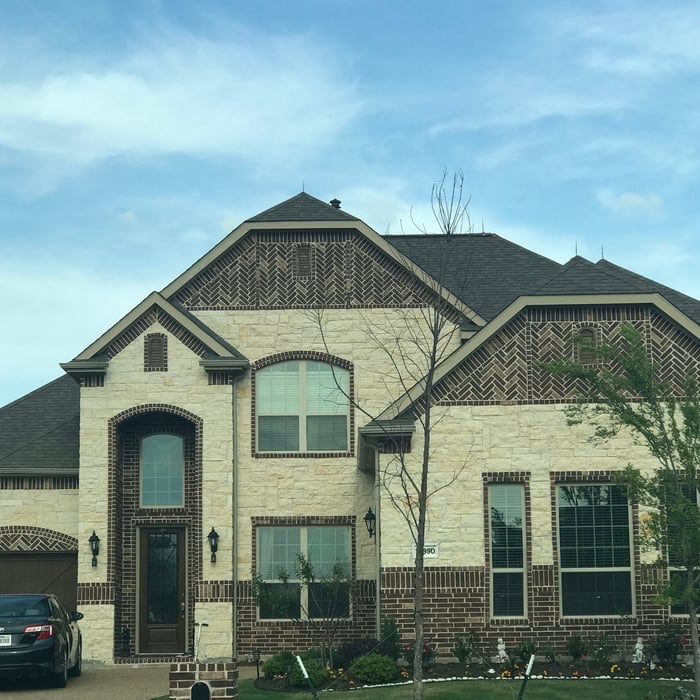
"John Corrigan and his sons are outstanding! They did outstanding work installing our lighting rods at a reasonable price. They were prompt, very professional and honest. I would call them again and recommend them to anyone."
"He got in there and got the job done with no questions asked. Very professional, nice and polite. Very happy with his work. I would refer him to others."
Western Star Lightning Protection is a leading lightning protection and lightning rod installation company that services all western states. As members of NFPA, we only use UL-listed materials. We have the experience and expertise to install lightning protection systems that meets the highest safety standards. Contact us for quotation and you will find that prices are truly affordable. We take great pride in our experience, expertise, quality, and customer service that we provide to meet the consumer's needs. It is our mission to provide excellent workmanship and complete customer satisfaction from start to completion of a project. In order to understand the needs and expectations of our customers, we take great care to work and communicate with every customer in a professional manner. Our reputation is based on service, safety, and quality, regardless of how large or small the job.
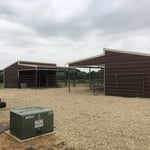
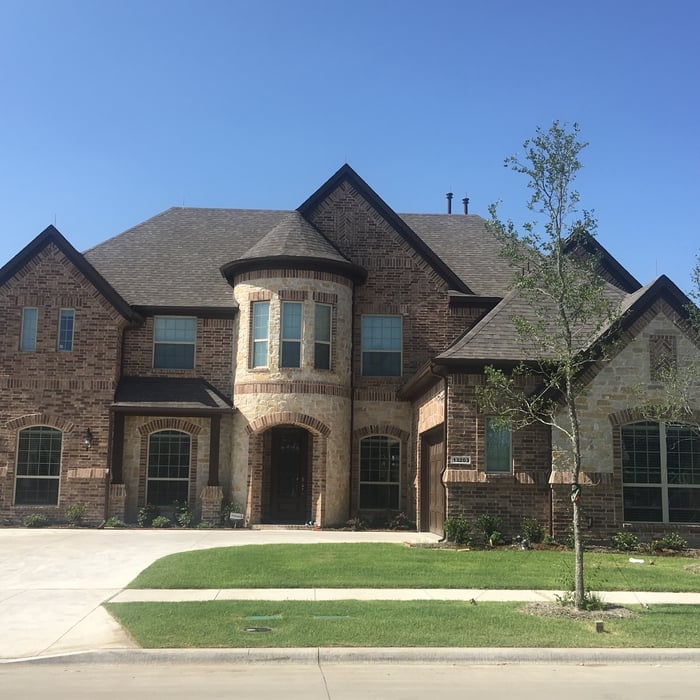
"My house was under construction. and had already gotten struck by lightning so time was critical as I knew it could happen again. I have a home with tall roof peaks and built on a hill. They came out quickly and started right away and their prices were way less than the other company s. I will use them again when my barn is constructed."
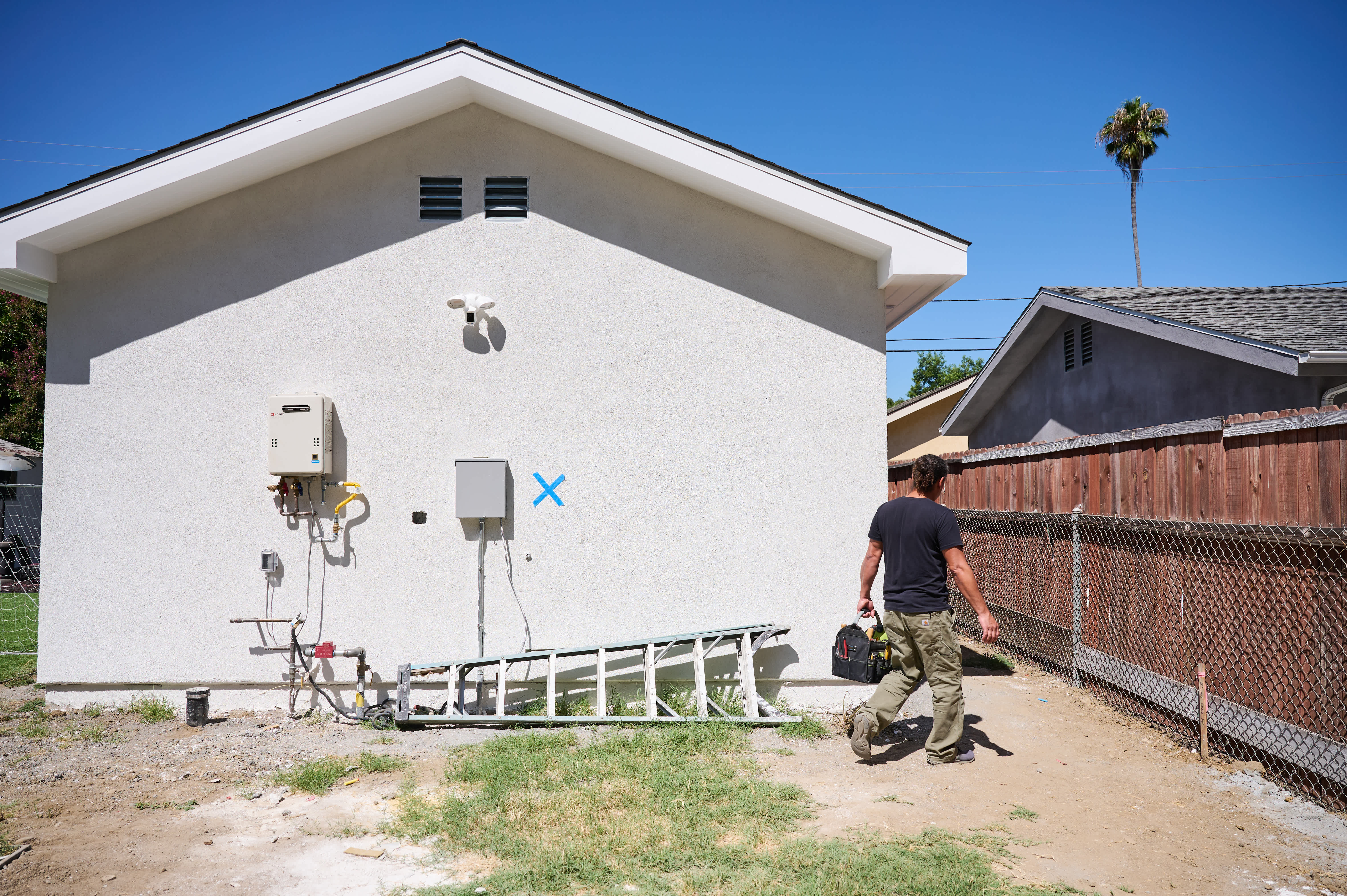
"Just to let you know this was not the company I was looking for. You recommended a lightning Protection company when I needed an electrician. Mr. Gorman was very helpful and advised me where to look for the breaker in my box outside that connects to my box out in my shed. I would definitely have him do work for me. He was very helpful on the phone."
It’s not recommended to turn off your breaker box in hopes of saving electricity. Breaker boxes were not designed to constantly be switched on and off. Therefore, turning off breakers unnecessarily can cause costly damage that outnumbers any energy savings. Only flip your breakers if absolutely necessary when troubleshooting an electrical issue.
If you’re interested in exploring other avenues to completely upgrade your electrical panel, it’s also possible to add a sub-panel, which is a smaller panel that connects to what you currently have in place. This way, you can add additional circuits without having to swap out your main panel.
The NEC prohibits the installation of electrical panels within clothing closets. Closets are filled with flammable items like clothing, mothballs, shoe polish, plastic containers, and exposed light bulbs. If the panel develops a small electrical fire, it won’t take long to bloom into a real disaster. If you have an electrical panel in one of your home’s closets, move it as soon as possible with the help of a professional electrician.
Labor, materials, job complexity, and urgency affect costs for switches and outlets; expect from $150 for simple sets to $600+ for significant upgrades.
Often, simply looking at a Christmas light fuse will reveal whether it’s blown or not. Dark staining inside the glass that looks like a burn mark means the fuse has blown. If a burn mark isn’t evident, visually inspect the fuse for an intact filament inside. The fuse is no longer usable if the filament is broken or appears non-existent.
The Heavener, OK homeowners’ guide to electrical services
From average costs to expert advice, get all the answers you need to get your job done.
Before you hire a licensed electrical contractor, you should learn the cost to run electric from the road to your house so you can budget for the project.
Whether you’re shopping for a new home or simply doing a safety check on your current place, learn what factors influence an electrical inspection cost.
Is it time to upgrade your electrical panel? For the sake of safety, find out sooner than later by exploring our top signs that it’s time for an upgrade.