






Top-rated electricians.

Get matched with top electricians in Mccurtain, OK

Enter your zip and get matched with up to 5 pros

Need a pro for your electrical service project in Mccurtain, OK?

Select your specific project to find the pro for you.

Find Electricians in Mccurtain

Avatar for Corrigan, LLC
Corrigan, LLC
4.8(
25
)
Lightning Protection - Install or Repair

Serving Mccurtain, OK and surrounding areas

Approved

In business since 1954

Free estimates

Emergency services offered

"John Corrigan and his sons are outstanding! They did outstanding work installing our lighting rods at a reasonable price. They were prompt, very professional and honest. I would call them again and recommend them to anyone."
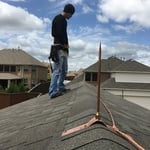
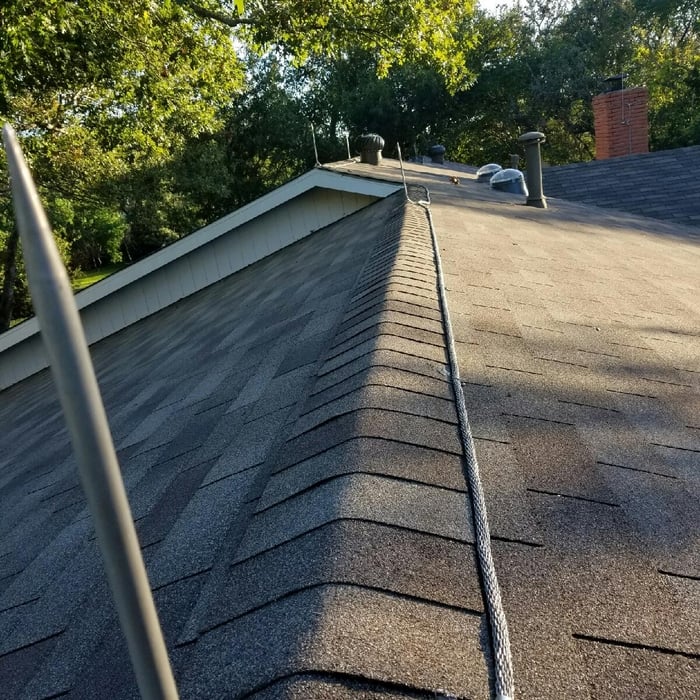
Shingle roof air terminal
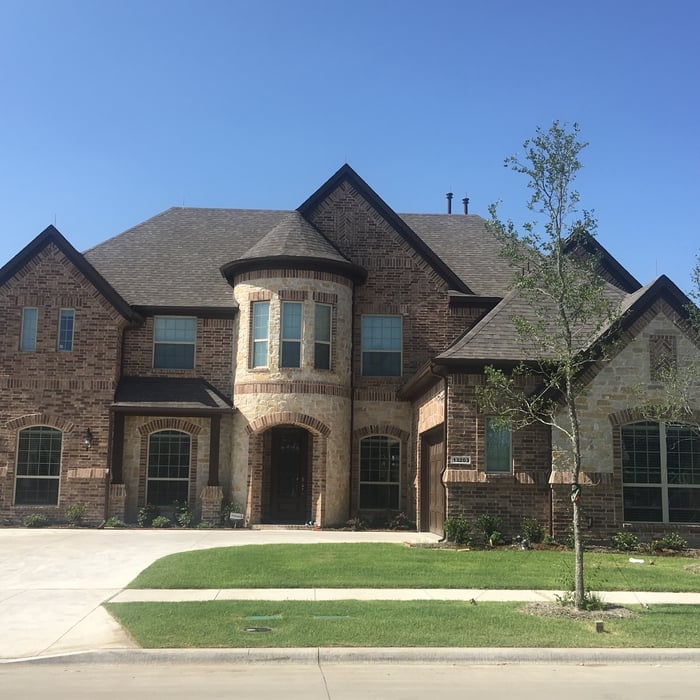
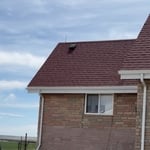
Residential 1
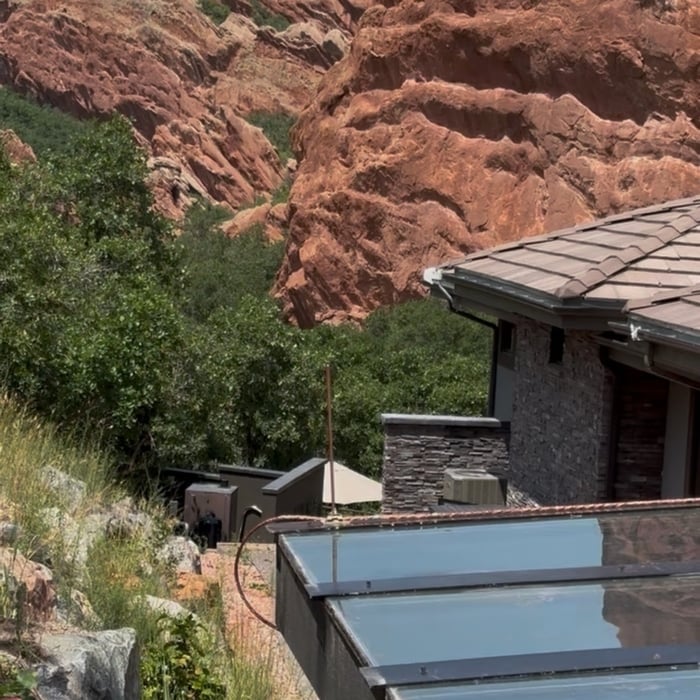
Residential Spanish tile
Horse stable
Residential 2

+23

Response time2 days
14 neighbors recently requested a quote
Recommended by100%of homeowners

Avatar for Red, White, and Blue Lightning Protection
Red, White, and Blue Lightning Protection
4.7(
78
)
Lightning Protection - Install or Repair

Serving Mccurtain, OK and surrounding areas

In business since 1970

Free estimates

"My house was under construction. and had already gotten struck by lightning so time was critical as I knew it could happen again. I have a home with tall roof peaks and built on a hill. They came out quickly and started right away and their prices were way less than the other company s. I will use them again when my barn is constructed."
Lightning rod system
Lightning rod residential

+5

Response time4 hrs
Recommended by100%of homeowners

...
Showing 1-10 of 57
Electrical questions, answered by experts

Home power is measured in kilowatt-hours, commonly expressed as kWh. The average home uses between 800 and 1,000 kWh per month. Peak usage (and highest bills) occurs in the middle of summer and the depths of winter. Keeping on top of your usage during these crucial months will lower your annual average usage considerably. 

Multiple wire sizes are used for residential electrical purposes. While the most common sizes used in homes are 14 and 12 gauge, some appliances, such as stoves, electric water heaters, central air units, etc., may use larger gauge wire to accommodate their larger amperage. Typically, larger appliances require 10-, 8-, or 6-gauge wires.

A GFCI outlet is easy to identify. It features two buttons on the face that read “TEST” and “RESET.” Sometimes, the “RESET” button is red. These are positioned in the center of the two three-prong plug-in slots you see on a regular outlet. Some also feature a green light to indicate when the outlet is working, changing to red when there is a problem.

Single-pole switches are simple circuits designed for lower voltages. As such, they don’t require the complex wiring of switches that need to supply power to larger devices and appliances. This is why single-pole switches commonly go in bathrooms, closets, and other small rooms that power a low-watt light fixture. One wire creates the circuit from the power supply, the other goes to the fixture, and the final wire provides safety mechanisms through grounding.

You can bury underground electrical wire six inches deep—but only if you use a rigid metal electrical conduit. For rigid, non-metallic conduits, bury the wire at least 12 inches deep. If using an underground feeder cable rated for direct burial, you'll need to place it at least 18 inches deep, as it has no conduit for extra protection.

The Mccurtain, OK homeowners’ guide to electrical services

From average costs to expert advice, get all the answers you need to get your job done.