




Top-rated electricians.

Get matched with top electricians in Talihina, OK

Enter your zip and get matched with up to 5 pros

Need a pro for your electrical service project in Talihina, OK?

Select your specific project to find the pro for you.

Find Electricians in Talihina

Avatar for Corrigan, LLC
Corrigan, LLC
4.8(
25
)
Lightning Protection - Install or Repair

Serving Talihina, OK and surrounding areas

Approved

In business since 1954

Free estimates

Emergency services offered

"John Corrigan and his sons are outstanding! They did outstanding work installing our lighting rods at a reasonable price. They were prompt, very professional and honest. I would call them again and recommend them to anyone."
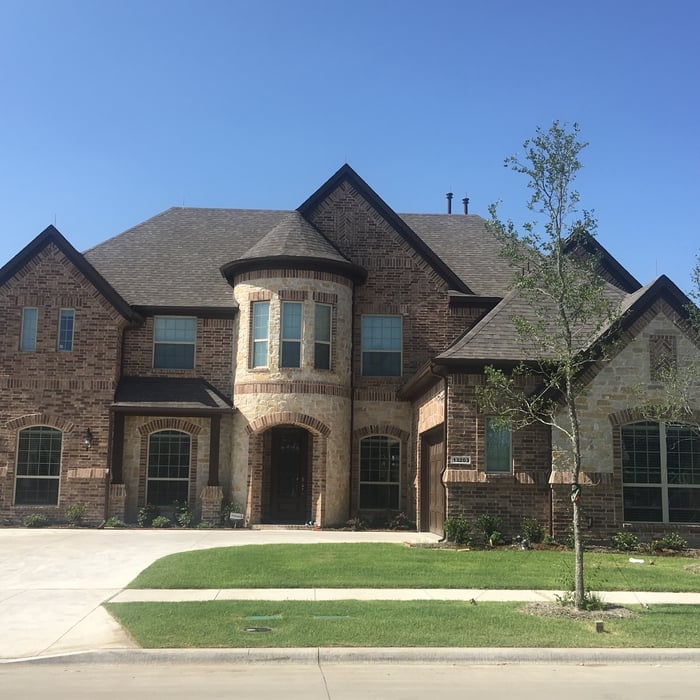
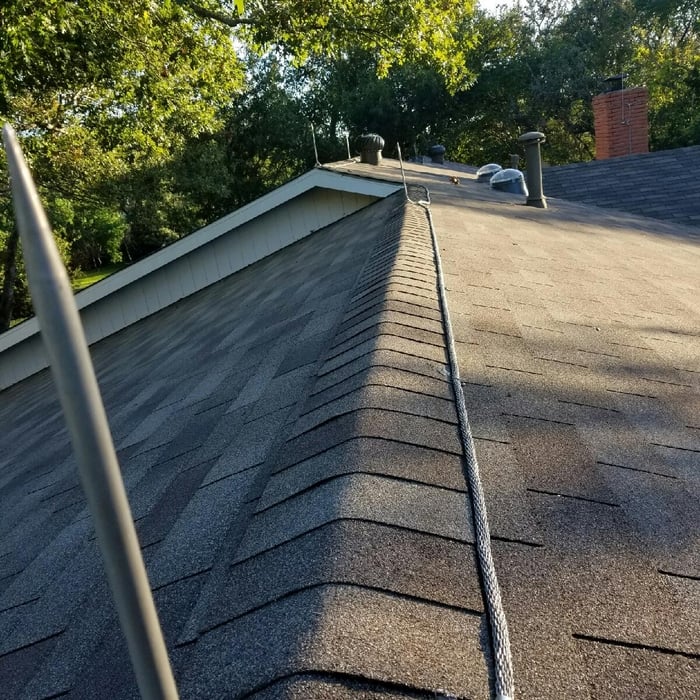
Shingle roof air terminal
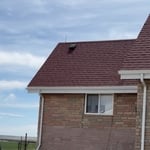
Residential 1
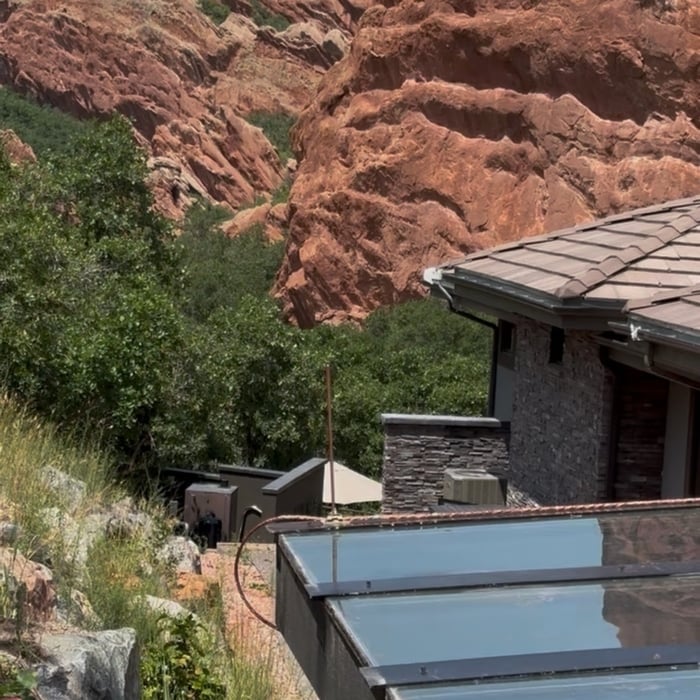
Residential Spanish tile
Horse stable
Residential 2

+23

Response time1 day
15 neighbors recently requested a quote
Recommended by100%of homeowners

Mike Gorman Lightning Protection
4.8(
8
)
Lightning Protection - Install or Repair

Serving Talihina, OK and surrounding areas

In business since 2003

Free estimates

"Just to let you know this was not the company I was looking for. You recommended a lightning Protection company when I needed an electrician. Mr. Gorman was very helpful and advised me where to look for the breaker in my box outside that connects to my box out in my shed. I would definitely have him do work for me. He was very helpful on the phone."
Response time4 hrs
Response rate91%
Recommended by100%of homeowners

Showing 1-10 of 41
Electrical questions, answered by experts

A pigtail is the only safe way to connect an electrical device to more than one circuit wire. Connecting multiple wires to a single screw terminal is extremely dangerous and must never be done. Many electricians will opt for pigtails even when there are multiple screw terminals available so that the device in question won’t halt the flow of downstream current when a problem arises. 

Labor, materials, job complexity, and urgency affect costs for switches and outlets; expect from $150 for simple sets to $600+ for significant upgrades.

It might seem tempting to use 14-gauge wires for your outlets, as they can run a little cheaper. But, when it comes to electrical work, it’s best not to cut costs less you overload your circuit. A 12-gauge wire will ensure that you’re protecting the outlet (and your circuit breaker) from any potential overloads that might incur, as it can handle a little more amplitude than a 14-gauge wire.

In most cases, line wires are located at the bottom of a panel or device, while load wires are located at the top. Line wires are generally black, while load wires are typically red or black. To tell for sure, you can use a multimeter or volt pen to test the wire. A live or line wire will always carry a charge, while a load wire will only carry a charge when it’s in use.

Multiple wire sizes are used for residential electrical purposes. While the most common sizes used in homes are 14 and 12 gauge, some appliances, such as stoves, electric water heaters, central air units, etc., may use larger gauge wire to accommodate their larger amperage. Typically, larger appliances require 10-, 8-, or 6-gauge wires.

The Talihina, OK homeowners’ guide to electrical services

From average costs to expert advice, get all the answers you need to get your job done.