



Top-rated electricians.

Get matched with top electricians in Wilburton, OK

Enter your zip and get matched with up to 5 pros

Need a pro for your electrical service project in Wilburton, OK?

Select your specific project to find the pro for you.

Find Electricians in Wilburton

Avatar for Corrigan, LLC
Corrigan, LLC
4.8(
25
)
Lightning Protection - Install or Repair

Serving Wilburton, OK and surrounding areas

Approved

In business since 1954

Free estimates

Emergency services offered

"John Corrigan and his sons are outstanding! They did outstanding work installing our lighting rods at a reasonable price. They were prompt, very professional and honest. I would call them again and recommend them to anyone."
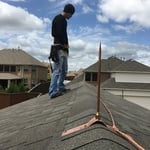
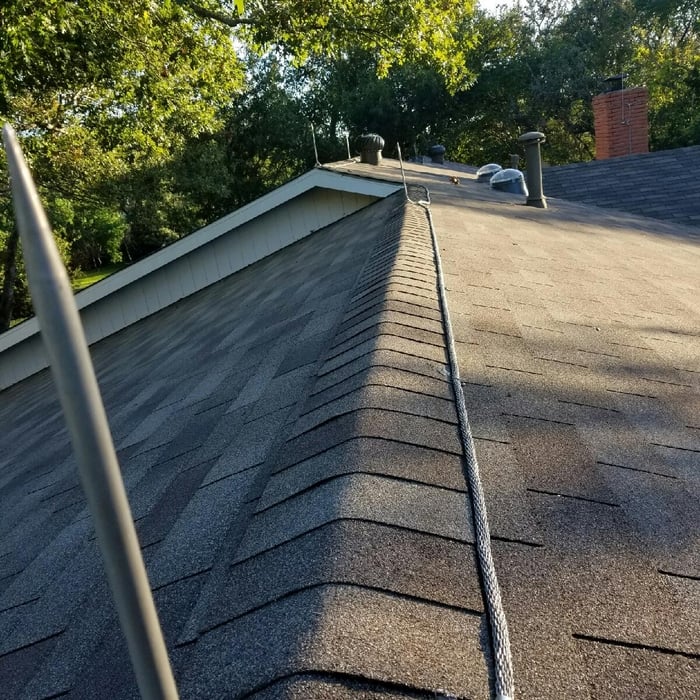
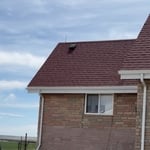
Shingle roof air terminal
Residential 1
Residential Spanish tile
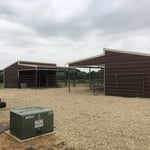
Horse stable
Residential 2

+23

Response time2 hrs
17 neighbors recently requested a quote
Recommended by100%of homeowners

Avatar for Red, White, and Blue Lightning Protection
Red, White, and Blue Lightning Protection
4.7(
78
)
Lightning Protection - Install or Repair

Serving Wilburton, OK and surrounding areas

In business since 1970

Free estimates

"My house was under construction. and had already gotten struck by lightning so time was critical as I knew it could happen again. I have a home with tall roof peaks and built on a hill. They came out quickly and started right away and their prices were way less than the other company s. I will use them again when my barn is constructed."
Lightning rod system
Lightning rod residential

+5

Response time4 hrs
Recommended by100%of homeowners

Showing 1-10 of 49
Electrical questions, answered by experts

An air conditioner’s watt usage depends on multiple factors, including the type of AC unit, its size, and how often you use it. With that said, most central air conditioners consume between 3,000 and 3,500 watts. Meanwhile, window AC units use 900 to 1,400 watts, and portable air conditioners consume 2,900 to 4,100 watts.


Yes, GFCI breakers are required for all outdoor outlets. This code requirement applies to all outlets located on balconies, decks, patios, and other outdoor lounge spaces. In addition, outdoor outlets need to have watertight covers that provide protection when cords are plugged in. If you have an older home that may not be up to code, it's a good idea to also ask your electrician about adding GFCIs to some indoor areas. Kitchens, bathrooms, basements, and any other areas of a home that are commonly exposed to moisture should have GCFI breakers.

You can bury underground electrical wire six inches deep—but only if you use a rigid metal electrical conduit. For rigid, non-metallic conduits, bury the wire at least 12 inches deep. If using an underground feeder cable rated for direct burial, you'll need to place it at least 18 inches deep, as it has no conduit for extra protection.

A voltmeter measures the voltage of AC or DC electrical current. Unlike a multimeter, measuring voltage is a voltmeter’s only function. Voltage is the potential difference between two points within a circuit. Measuring voltage with a voltmeter can help identify wiring issues or determine whether a battery is dead.

It might seem tempting to use 14-gauge wires for your outlets, as they can run a little cheaper. But, when it comes to electrical work, it’s best not to cut costs less you overload your circuit. A 12-gauge wire will ensure that you’re protecting the outlet (and your circuit breaker) from any potential overloads that might incur, as it can handle a little more amplitude than a 14-gauge wire.

The Wilburton, OK homeowners’ guide to electrical services

From average costs to expert advice, get all the answers you need to get your job done.