




Top-rated fence painters.

Get matched with top fence painters in Santa Fe, NM

Enter your zip and get matched with up to 5 pros

Need a pro for your fence painting project in Santa Fe, NM?

Select your specific project to find the pro for you.

TRUSTED BY SANTA FE, NM HOMEOWNERS

  • Average homeowner rating star icon4.5
    Average homeowner rating
  • Verified reviews icon293
    Verified fence painting services reviews

Find Fence painters in Santa Fe

No results for Fence painter in

Try adjusting your search criteria.
Fence Painting questions, answered by experts

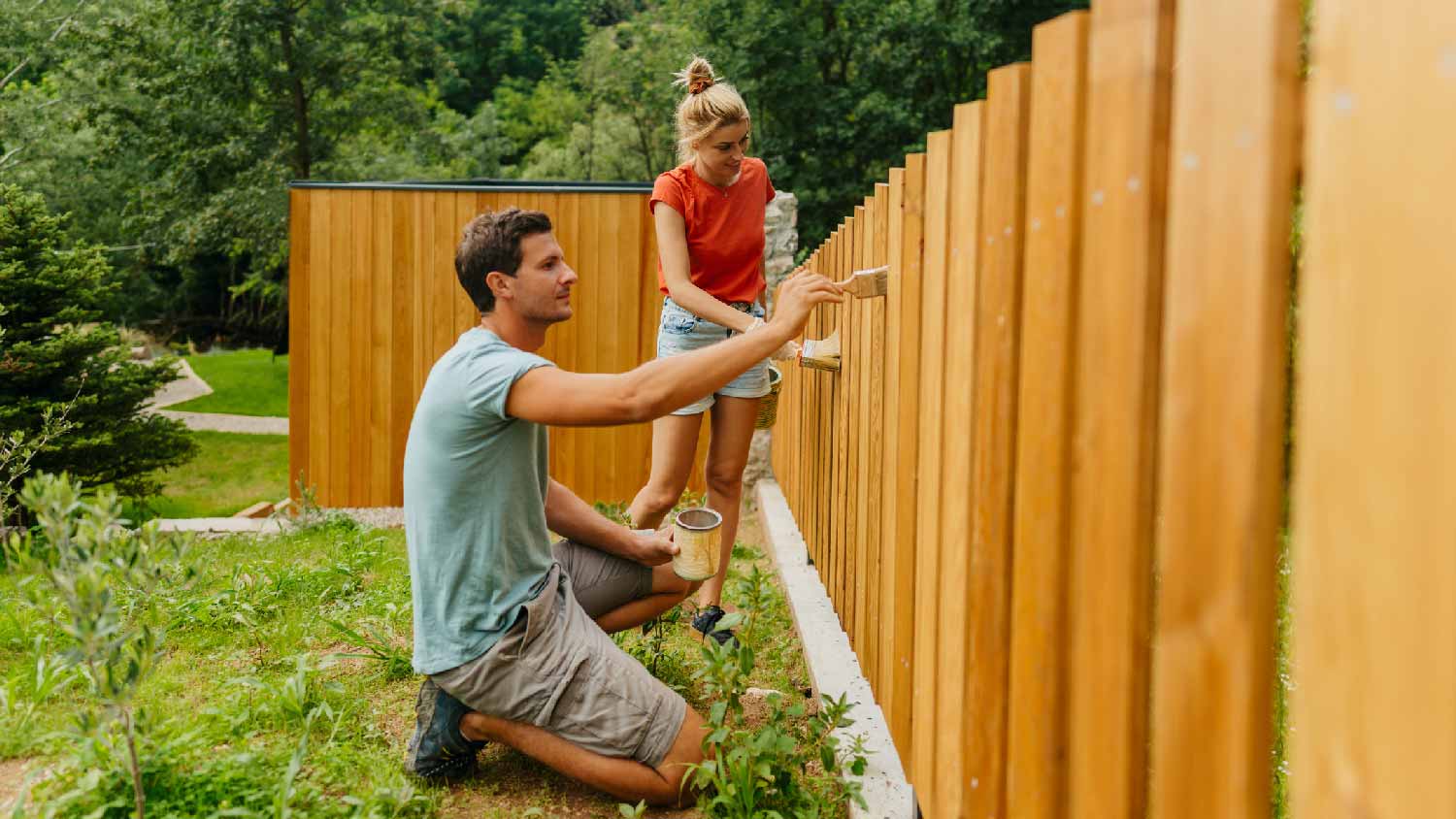
If you have the time and the budget, we strongly recommend staining your fence, especially if it's looking a bit tired or hasn't been treated recently. While you may not see the same return on investment (ROI) as you would with a project like a kitchen remodel, staining a fence is one of the best ways to add a facelift to your property—a new fence stain adds serious curb appeal to your home. 

Yes, you can and should paint or stain pressure-treated wood to help prevent the boards from cracking. However, you must wait for the wood to dry out completely before applying any finish. Freshly treated wood can take weeks or even months to dry; a common recommendation is to wait three to six months. To check if the wood is ready, perform a simple water test: drip some water onto the surface. If the water beads up, the wood is still too wet and needs more time to dry. If the wood absorbs the water, it is dry enough to be painted or stained. You can proceed with building your deck or fence while the wood is still wet, but you will need to wait to apply the paint or stain.

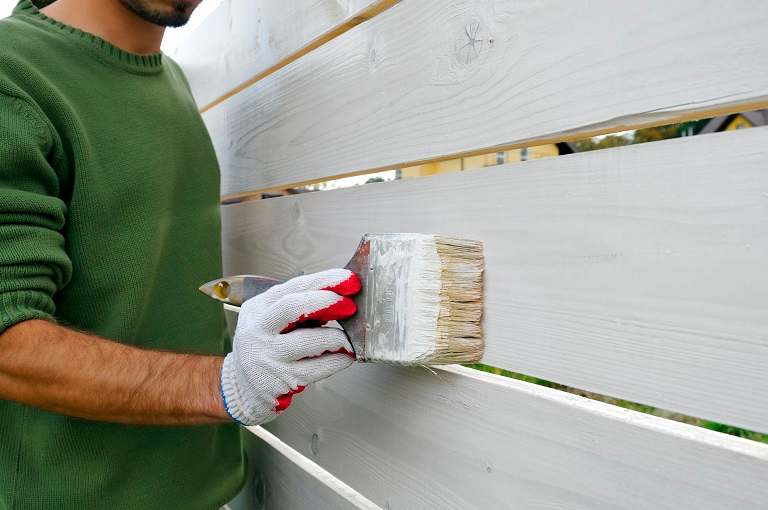
Painting or staining protects fences from environmental damage, enhances durability, and improves curb appeal with a fresh, customized look.

Staining a fence is less expensive than painting a fence due to the cost of materials and the longevity of the finish. Stain not only lasts longer than paint without chipping or peeling, but you also won’t have to put in the extra time and cost to prime the surface first. 

Limewash and whitewash are two techniques used to give brick a light, matte finish, but they differ in composition, application, and permanence. The best choice depends on your aesthetic goals and the specific surface.

Composition

  • Limewash: A natural and environmentally friendly option made from limestone, water, and sometimes pigments. It is breathable and soaks into porous surfaces like brick.

  • Whitewash: Traditionally made from lime, water, chalk, and binders, but a similar look can be achieved with watered-down white paint. It is paint-based and sits on top of the surface.

Appearance and Finish

  • Limewash: Provides a natural, textured appearance that allows the brick's character to show through. It offers a more traditional finish.

  • Whitewash: Creates a softer, more opaque finish, often used for a rustic or shabby-chic style.

Application and Permanence

  • Limewash: Is semi-permanent and can be removed, making it a good choice if you might want to change the look in the future. It requires more skill to apply and cannot be used on previously painted brick.

  • Whitewash: Is a more permanent solution. It is more forgiving to apply and can be used on painted brick. However, because it sits on the surface, it can trap moisture.

Ultimately, if you want a breathable, natural, and reversible finish for unpainted brick, limewash is a great option. If you need a more permanent, opaque coating that can be applied over painted surfaces, whitewash is the better choice. Whitewashing may also be more economical, costing approximately $1.40 to $4.20 per square foot.

The Santa Fe, NM homeowners’ guide to fence painting services

From average costs to expert advice, get all the answers you need to get your job done.