

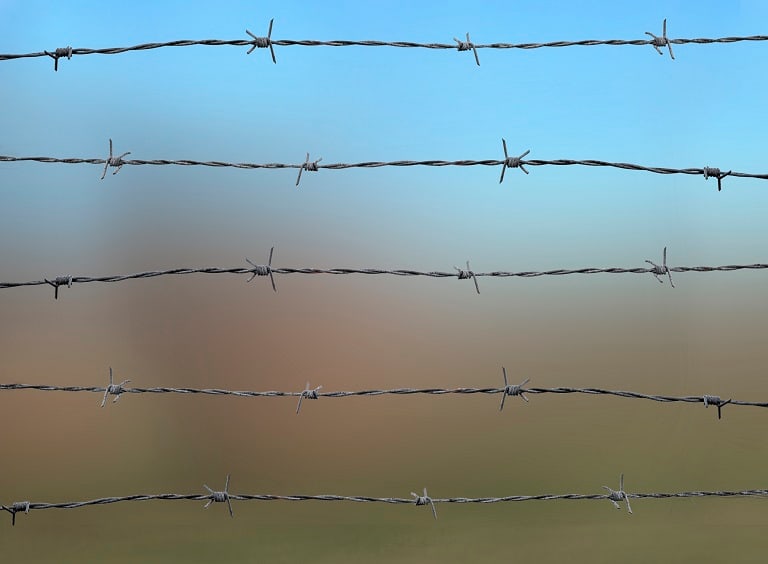
The cost of a barbed wire fence depends mainly on how large your property is. If you have a longer fence, you can expect to pay a few thousand dollars.
Fencing service costs depend on your project and location. Check with a local pro for your specific job.

Professional hog wire fence installation costs between $600 and $21,750 for your project, depending on length and design.
Your choice between wood posts and metal posts changes the cost, and wire gauge plus framing style impact your final total.
Account for gate installation and permits costing $150 to $200, plus kickboards and painting or staining.
Hiring a local fence company ensures your hog wire fence posts stay level and aligned, so your fence stays secure.
Installing a hog wire fence costs $2,000, though it can range from as little as $600 to as much as $21,750. Expect fencing and labor to cost $6.50 to $15.50 per linear foot. However, several factors affect its price, such as length and whether you build it with a frame or without one. Hog wire fences, also called hog panels or stock panels, are traditional agricultural fences that are gaining popularity thanks to their versatility and rustic look. Learn how to budget for this fencing project to keep your animals safe and secure.
The size of a hog wire fence is measured in both linear feet of length and in feet of height. On average, you can expect to pay $6.50 to $15.50 per linear foot for a framed hog wire fence. The cost difference is due in part to the range of available wire thicknesses and coatings.
| Fence Size (Linear Feet) | Price Range |
|---|---|
| 25 | $160–$390 |
| 50 | $320–$780 |
| 75 | $480–$1,170 |
| 100 | $640–$1,560 |
| 150 | $960–$2,340 |
| 200 | $1,280–$3,120 |
| 300 | $1,920–$4,680 |
| 400 | $2,560–$6,240 |
Most homeowners will use hog wire fencing to surround relatively small yards and gardens. Those with a lot of land or animals to protect may need to enclose several acres. Given the average cost to install fencing, hog wire provides an affordable alternative to most fencing types when it comes to fencing in large areas of land.
| Number of Acres | Fence Cost (Installed) |
|---|---|
| 1 | $5,400–$13,000 |
| 2 | $10,800–$26,000 |
| 3 | $16,200–$39,000 |
| 4 | $21,600–$52,000 |
| 5 | $27,000–$65,000 |

Whether or not the hog wire fence is attached to frames, it will typically be secured to posts made of either wood or metal. Wooden fence posts are more common for permanent installations, especially for framed fences that use wooden frames. However, either option is viable depending on your needs and aesthetic preferences.
| Fencepost Material | Average Cost per Post (Installed) |
|---|---|
| Metal | $5–$60 |
| Wood | $20–$50 |
Hog wire is a type of farm fencing that comes in large rolls of ready-made welded wire. That wire gets stretched in one of two ways to enclose a space:
Frameless hog wire fencing is wire that’s hung or affixed to posts
Framed hog wire fencing is wire that is stretched across panels of varying sizes
Frameless hog wire fencing has a lower price point than its framed counterpart but it is less sturdy.
| Frame Type | Average Cost per Linear Foot (Installed) |
|---|---|
| Frameless | $2.50–$6.50 |
| Framed | $6.50–$15.50 |
Professional labor is a major cost factor for any fencing project. Installing a fence is difficult and takes a lot of time to do properly, so most homeowners end up hiring a local fence company to handle the job.
Fence installers charge anywhere from $1 to $4 per linear foot for labor alone. Expect rates on the higher end of this range if you’re installing a framed hog wire fence since the frames often have to be constructed on-site.
Your pro’s labor fee should cover all aspects of your hog fence installation, including assessing your property boundaries (if necessary), helping you pick the right fence materials, digging post holes, building fence panels, installing gates, and ensuring the fence is properly aligned and has structural integrity.
There are several features you can add to a hog wire fence to enhance its look and functionality. Some common examples include:
If you want access to the fenced-in area, you’ll need to install a gate. The cost to add a gate to a hog wire fence is typically lower than installing one on a traditional fence. Expect to pay $30 for a low-end DIY gate and up to $200 or more for a professionally installed one.
You may want to beautify your hog fence, and paint can work wonders in that department. Painting a fence costs an average of $2 to $3 per linear foot.

Rodents and other tiny critters may try to make their way into your enclosure. You can block small animals with a kickboard at the bottom of your frame for $0.50 per linear foot.
When properly maintained, a well-installed hog wire fence should last 25 to 50 years. Maintenance involves regularly priming and painting or staining wood components to prevent rot. The cost to stain or paint a fence is $3 to $14 per linear foot.
Most municipalities require that you obtain a permit before building a fence on your property. Expect to spend an average of $50 on a fence-building permit, though it can run between $30 and $200.
Building a hog wire fence requires coordinating the posts, panels, and framing so everything lines up cleanly across the length of your yard. The overall price varies based on the size of your fence, the materials, and whether you want it framed
If you’re planning this type of install, comparing quotes from fence contractors near you can help you understand what your specific layout requires.
A hog wire fence may look simple, but assembling it correctly takes accuracy from start to finish:
Fence installers set the posts correctly so the fence stays level, aligned, and structurally sound.
They build or attach frames securely, which helps the wire stay tight and reduces sagging over time.
Pros measure and stretch the wire panels evenly, preventing dips or gaps that can affect appearance or function.
They know how to work on uneven terrain, slopes, and long runs that require consistent spacing.
A pro can help you choose the right post material, framing style, and layout for your property.
Installers bring the tools needed for digging, cutting, fastening, and tensioning the wire panels.
They can also handle gate installation, corner bracing, and transitions that are easy to get wrong without experience.
Most fence companies offer warranties on their installation, giving you added coverage after the job is done.
Homeowners can handle basic tasks that support this project:
Clear the fence line by removing brush, debris, or old landscaping.
Measure and mark the layout to help the installer visualize where posts and gates will go.
Move any planters, outdoor furniture, or stored items that may block access to the work area.
Prep materials by setting wire panels, posts, or framing pieces where the crew can easily reach them.
Clean after installation, including raking soil, organizing leftover materials, or touching up paint or stain.
As with any project, it’s great to save a little money. But you don’t want to skimp on quality to cut costs. Here are some ways you can install a hog wire fence while staying within or under budget.
Compare quotes by consulting at least three professional fence installers to get a good rate.
If you have the prior experience and necessary tools, consider DIYing part of the installation yourself.
Upcycle some of the materials. Ask friends and neighbors if they have any leftover wood for the framing, leftover wire, or paint for beautification.
Share the total length of the fence line with your fencing pro and whether you want the fence framed or frameless.
Let the pro know if you want to add a gate and where you want it positioned.
Describe to your fencing pro any slopes, uneven ground, or property boundaries that may affect the layout.
Ask your pro about material options, post types, and potential add-ons like kickboards or painted framing.
Discuss with your pro the timeline, expected prep work, and whether the installer will handle hauling old materials away.
Home is the most important place on earth, which is why Angi has helped more than 150 million homeowners transform their houses into homes they adore. To help homeowners with their next project, Angi provides readers with the most accurate cost data and upholds strict editorial standards. We extensively research project costs to develop the pricing data you see, so you can make the best decisions for you and your home. We rely on reputable sources, including the U.S. Bureau of Labor Statistics, academic journals, market studies, and interviews with industry experts—all to ensure our prices reflect real-world projects.
Want to help us improve our cost data? Send us a recent project quote to [email protected]. Quotes and personal information will not be shared publicly.
A reliable team for moves across state. My switch to a new place needed careful lifting through tight hallways. The movers checked the doorway first, then carried heavier pieces with slow, controlled movements. Their patience helped prevent damage, and I?d choose them again.
We have used Window Warriors many times with no issues. They arrived on time and were very professional . We have pets and Window Warrior team treated them very well, well trusted team.
 Window Warrior of Columbus, Inc.
We have bought and sold numerous times over the past 50 years. Sherman Hall and Top Line are top notch. Thorough and detailed, he explains every possibility, probability, and eventuality. High class and pleasant. The best.
 Top Line Home Inspections, LLC
Our homes curb appeal skyrocketed thanks to Custom Paint Jobs LLC s exterior painting.
 Custom Paint Jobs, LLC
Window Depot did an amazing job on my deck. I wasnt sure what I wanted to do, but their composite decking was affordable and will last a long time. I am excited to have family over, and I am no longer embarrassed by my backyard. Jeff and the ground crew were polite, respectful, and caring for...
 Window Depot USA of Central Ohio
Storms Mobile Welding was great to work with. They were prompt, professional and did an overall excellent job on the project. I highly recommend.
Great job...edging and pre clean up went well with a great job with seal coat. Friendly, efficient and professional.
 All Star Paving and Sealing
Did an amazing job transforming my yard. Also installed sod in places, would recommend to everyone.
 Cardinal Landscaping & Construction LLC
We hired Andrew and the team from Midwest Lightscapes for a custom lighting design and installation on a Victorian Village home. The house had outdated low-voltage halogen outdoor lights and many of them were not working. Andrew designed and installed a new system including uplighting on the...
 Midwest Lightscapes
The work was completed in a day and a half. They cut small trees, pulled out an old swing set, pulled out railroad ties and left the place spotless when the job was complete. I am very happy with the fence and their efforts were above and beyond my expectations.
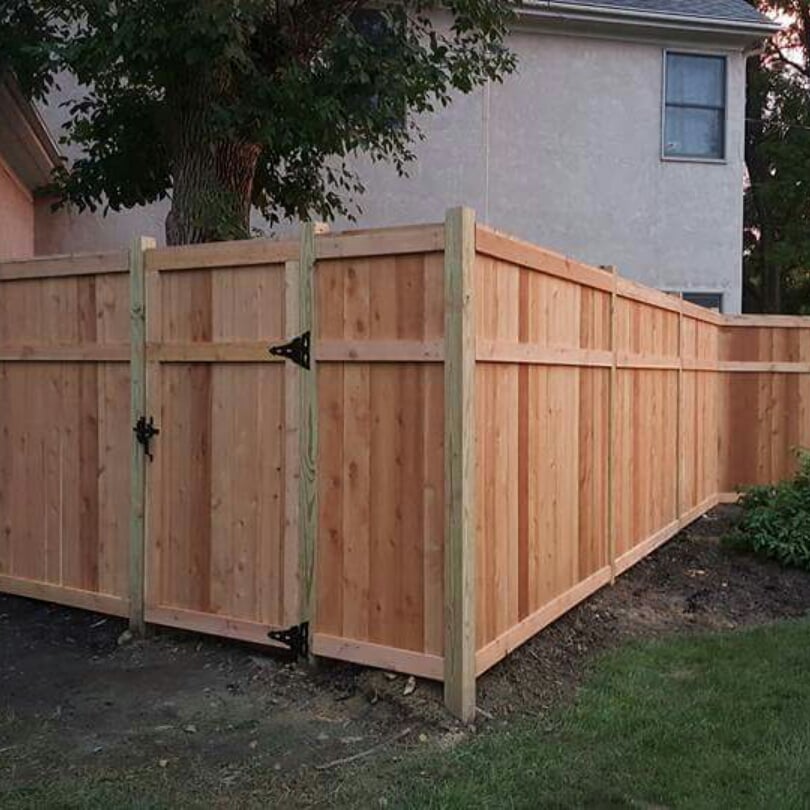 Elite Fence
From average costs to expert advice, get all the answers you need to get your job done.
The cost of a barbed wire fence depends mainly on how large your property is. If you have a longer fence, you can expect to pay a few thousand dollars.
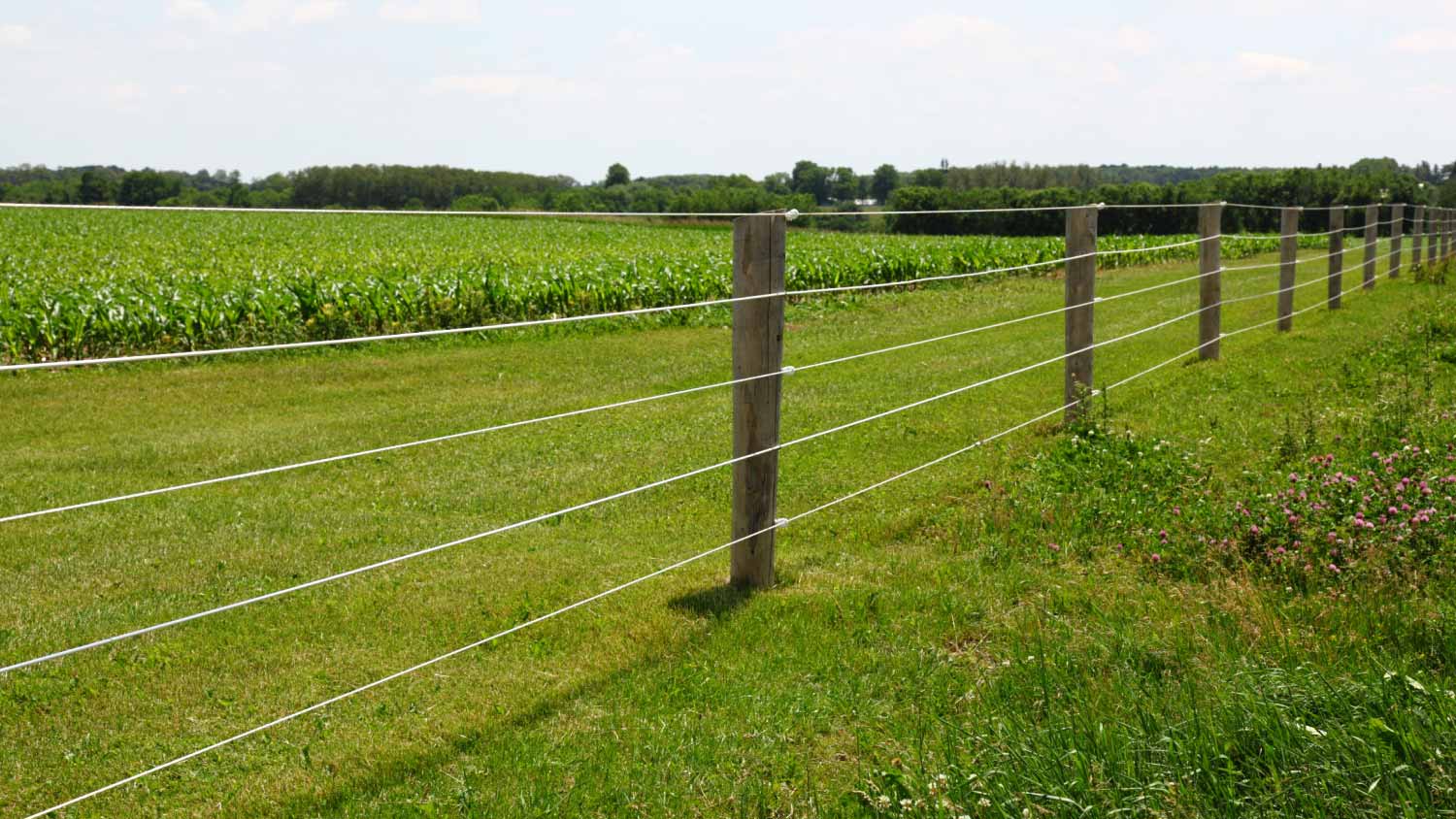
Wire fencing offers reliable property boundaries, livestock containment, and garden protection. Use this guide to learn how much wire fencing costs based on factors like type and material.
Get the facts on the cost of invisible fence repair, including average prices, key cost factors, and tips to save. Learn what impacts your repair estimate and how to budget.

If you’re considering adding a wire fence to your property, you have choices. Keep reading for a breakdown of 10 types of wire fences.
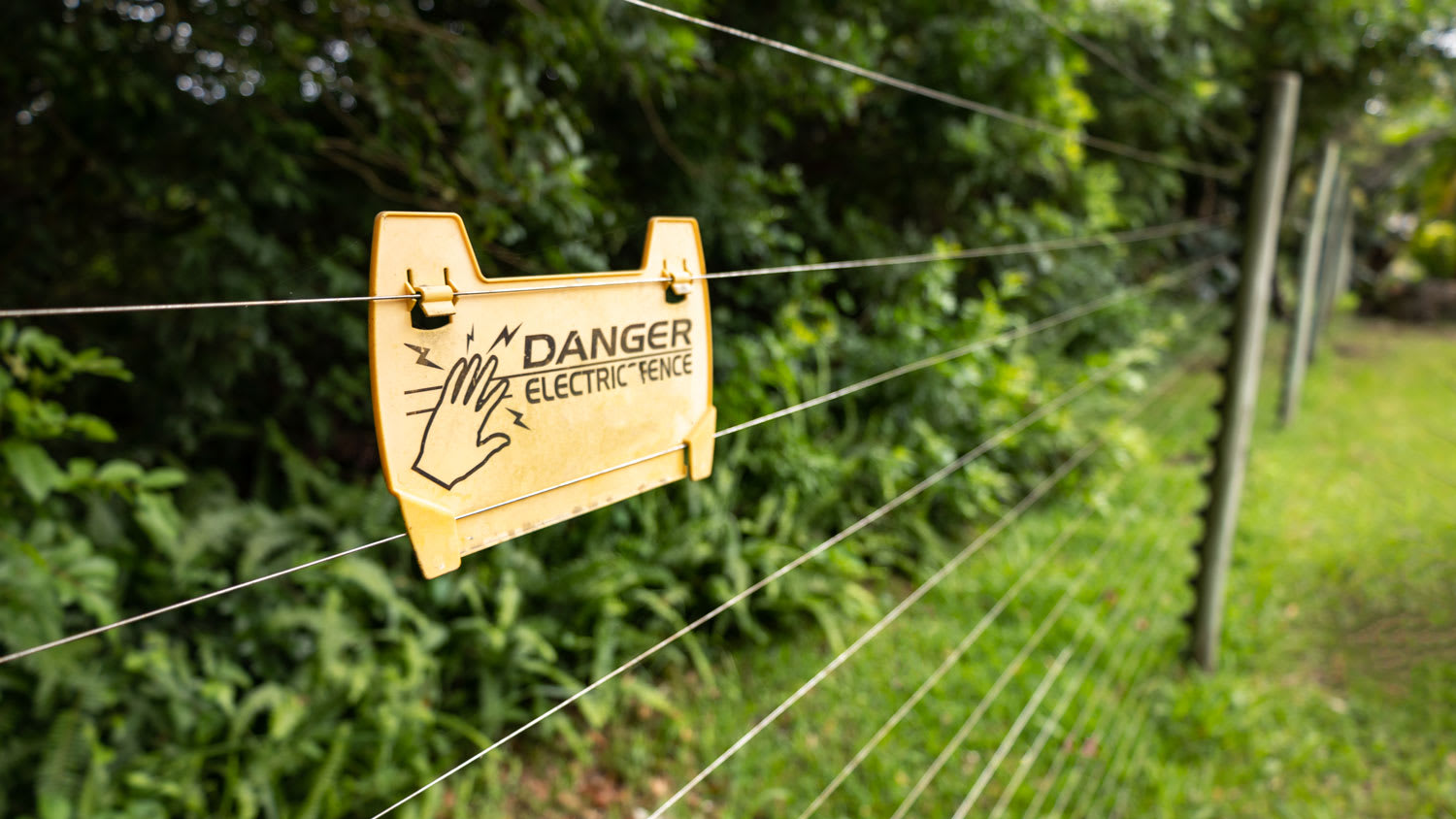
Learn how to read an electric fence wiring diagram—knowing the parts of an electric fence can give you a better understanding of how it works.
Need to secure your large property? Learn about barbed wire fence installation costs, urgency signs, and how to hire a local fencing pro for the job.