

Top-rated arborists.

Best arborists near Intervale, NH

Enter your zip and get matched with up to 5 pros

Need a pro for your arboricultural service project in Intervale, NH?

Select your specific project to find the pro for you.

TRUSTED BY INTERVALE, NH HOMEOWNERS

  • Average homeowner rating star icon4.9
    Average homeowner rating
  • Verified reviews icon78
    Verified arboricultural services reviews

Top-Rated Arborists in Intervale - Updated Nov 2026

Avatar for Walton Stump Grinding and Property Improvements
Walton Stump Grinding and Property Improvements
5.0(
25
)
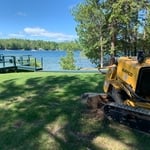
Tree Stump - Remove

Serving Intervale, NH and surrounding areas

Approved

In business since 2018

Free estimates

Credit card accepted

"I contacted Walton's about tree stump removal and they fit me into their schedule within a week. They did an awesome job and their customer service was exceptional. I would highly recommend them."
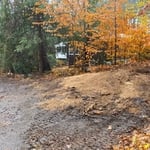
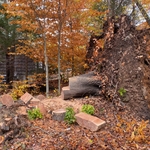
Storm Damage - After
Storm Damage - Before
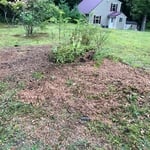
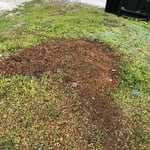
Yard Stumps - Before
Yard Stumps - After
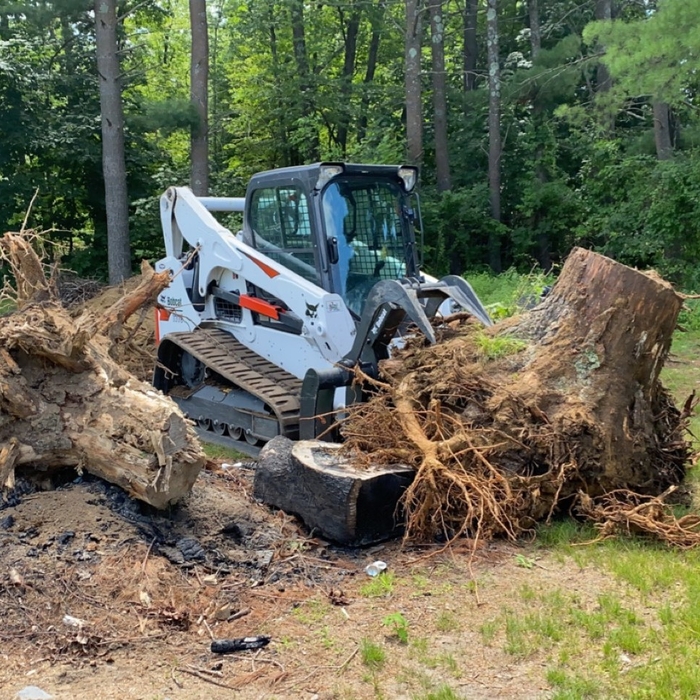
Stump Removal

+3

Response time1 day
17 neighbors recently requested a quote
Recommended by96%of homeowners
Avatar for Northeast Stump Grinding, LLC
Northeast Stump Grinding, LLC
4.7(
55
)
Tree Stump - RemoveTree Stump - Remove - For Business

Serving Intervale, NH and surrounding areas

Approved

Super Service Award Winner

In business since 2020

Offers commercial services

Customers say: True professional

"Roger called me as soon as I placed an enquiry and came the same day, gave a quote and came the very next day to grind our stumps. It’s unusual these days to get such a quick response! Very satisfied with the quality of the work."
Long Island Stump Grinding
Response time1 day
Response rate90%
12 neighbors recently requested a quote
Avatar for SW WOOD LLC
SW WOOD LLC
5.0(
1
)
Tree RemovalTree Removal - For BusinessTree Stump - Remove+3 more

Serving Intervale, NH and surrounding areas

Approved

Free estimates

Emergency services offered

Small jobs welcome

"I was very pleased with the work he did, he has a nice way of explaining things , I sure I will hire him again for other projects when needed he is a very pleasant person to deal with. Tank you Scott for being such a nice guy ."
Projects
Projects
Projects
Projects
Projects

+6

3 neighbors recently requested a quote
Showing 1-10 of 42
Arborists FAQs, answered by experts

Tree experts don’t advise against digging through tree roots, but instead encourage caution and consultation with a local arborist to make sure you don’t damage the tree’s structure or interrupt its water or nutrient intake. An arborist can recommend specific practices when digging and help prune the roots or dig a trench for utilities with a tool that can remove soil without touching the tree’s roots.

There are four common ways to prune a tree correctly: crown thinning, crown reduction, crown raising, and crown cleaning. The method you choose depends on the purpose of pruning. However, making the correct cuts is a vital part of the process, regardless of your method. Pruning incorrectly can damage or even kill the tree. So, you may want to hire a professional tree-trimming company to tackle the task. 

Generally speaking, you’ll want to avoid flush cuts, which are cuts made as extremely close to the trunk or main branch. These cuts can weaken your tree, lower its natural defense mechanisms, and even cause decay. You’ll also want to avoid tree topping, which is the total removal of the leader and upper main branches of a tree. 

Most pros will advise against either of these methods, which is why hiring a pro is often the best choice when it comes to tree trimming.

Yes, it’s okay to trim low branches on a tree, also known as limbing up or raising the crown. Essentially, you’ll trim the lower third of the tree (trunk) and leave the upper two-thirds of the tree (crown). Arborists recommend trimming 20% of a tree’s leaves per season for two to three seasons. Trimming low branches allows light to flow through the tree, increasing circulation and making the tree stronger and healthier.

Dead trees are dangerous for several reasons. They are structurally compromised and prone to branch or trunk failure, which can pose a significant safety risk to people, vehicles, and nearby structures. Dead trees can also harbor pests like termites, which may spread to other trees or your home. If a tree died from a disease, it could spread the illness to healthy trees. Additionally, the dry wood is highly flammable, increasing fire risk.

The Intervale, NH homeowners’ guide to arboricultural services

From average costs to expert advice, get all the answers you need to get your job done.