






Top-rated arborists.

Get matched with top arborists in Hiram, ME

Enter your zip and get matched with up to 5 pros

Need a pro for your arboricultural service project in Hiram, ME?

Select your specific project to find the pro for you.

TRUSTED BY HIRAM, ME HOMEOWNERS

  • Average homeowner rating star icon4.5
    Average homeowner rating
  • Verified reviews icon52
    Verified arboricultural services reviews

Find Arborists in Hiram

Avatar for Walton Stump Grinding and Property Improvements
Walton Stump Grinding and Property Improvements
5.0(
25
)
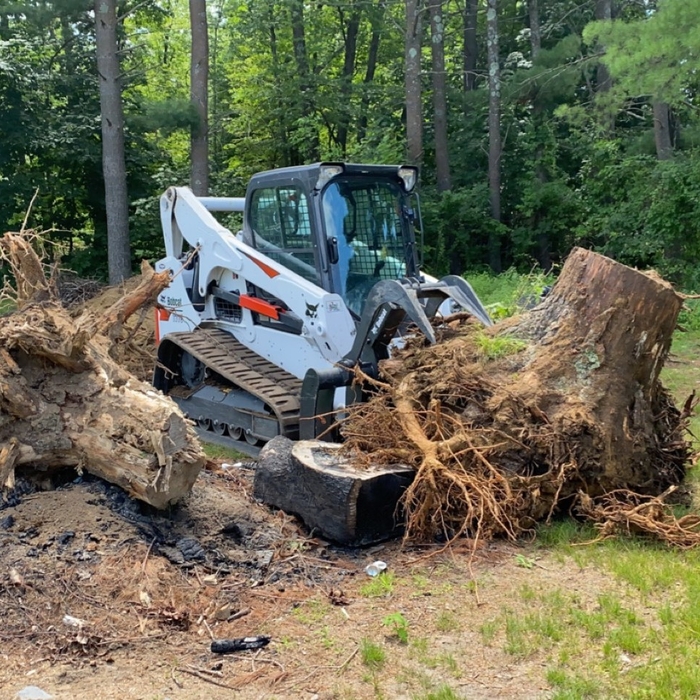
Tree Stump - Remove

Serving Hiram, ME and surrounding areas

Approved

In business since 2018

Free estimates

Credit card accepted

"I contacted Walton's about tree stump removal and they fit me into their schedule within a week. They did an awesome job and their customer service was exceptional. I would highly recommend them."
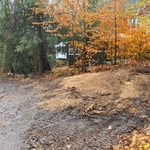
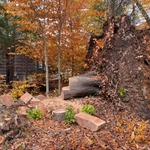
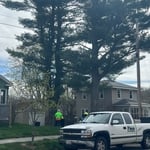
Storm Damage - After
Storm Damage - Before
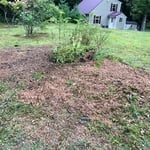
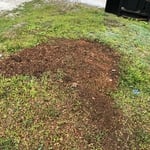
Yard Stumps - Before
Yard Stumps - After
Stump Removal

+3

Response time1 day
15 neighbors recently requested a quote
Recommended by96%of homeowners

Avatar for Tomahawk Excavation
Tomahawk Excavation
4.5(
2
)
Tree Stump - Remove

Serving Hiram, ME and surrounding areas

Approved

Free estimates

Emergency services offered

Small jobs welcome

"The owner is a first responder like myself, I couldnâ t find anyone to clear my land but with his busy schedule he was able to fit me in very fast, very affordable pricing, and extremely professional. I plan on using him for my future lots as well."
Underground utilities
1 neighbors recently requested a quote
Recommended by100%of homeowners
...
Showing 1-10 of 51
Arborists questions, answered by experts

Tree roots can take weeks to years to die, depending on the method you use. Chemical herbicides take the least amount of time—typically between three and four weeks—while homemade methods, like covering an old stump with leaves, could take between seven and eight years. If you’re unsure which method to use or how quickly you need to act, consulting with a pro is always a good idea.

Generally, homeowners do not need permission to cut down a tree on their own private property, but there are several exceptions where a permit may be required. You might need a permit if the tree is particularly large, old, or a protected species, such as a heritage tree. Trees located near public property or power lines can also be subject to special rules. Additionally, many local governments and homeowners associations (HOAs) have regulations controlling which trees can be removed to manage an area's appearance or prevent the spread of invasive species. To avoid hefty fines, it is crucial to check with your local government and HOA to determine if a permit is needed before you begin.

Yes, it is highly recommended to remove tree stumps. Leaving them in the ground can lead to several problems, as they are not only unsightly but can also reduce your property's value. Stumps can obstruct landscaping plans, make mowing difficult, and hinder new growth. More importantly, they are prime breeding grounds for pests like termites, ants, and mice, which can spread to your home and cause costly damage to its wood and foundation. Stumps also attract fungi and diseases that can infect other healthy trees and plants in your yard. As a stump decays, it might sprout new, unwanted shoots. While removing a stump is an investment, it prevents these potential issues and enhances the safety, health, and appearance of your landscape.

Not all leaning trees are dangerous, but they can be a hazard as gravity may eventually cause them to fall. A key factor is whether the lean is new or has been present for a long time. Trees that have grown with a lean for years are not typically an immediate danger, but a sudden lean is a cause for concern as it often indicates weakening roots. If a tree is leaning more than 15% from vertical, you should consider having it straightened or transplanted. To be safe, it's always best to hire a professional arborist to inspect any leaning tree to assess the risk and avoid potential accidents.

We don’t recommend DIY tree trimming for a few different reasons. First, the tools required to trim a tree can be costly, up to $1,100 or more, for the ladders and specialized saws needed. 

Safety is another concern, especially when working with more mature trees. As a guideline, you should only DIY tree trimming when branches are less than two inches in diameter. Any more, and the safety risk becomes too high, which could lead to catastrophe. For this job, it’s safest to let a tree-trimming professional assess the work needed.

The Hiram, ME homeowners’ guide to arboricultural services

From average costs to expert advice, get all the answers you need to get your job done.