

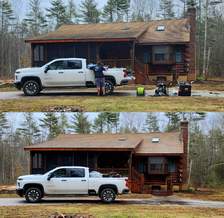


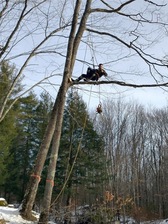

Top-rated arborists.

Best arborists near Harrison, ME

Enter your zip and get matched with up to 5 pros

Need a pro for your arboricultural service project in Harrison, ME?

Select your specific project to find the pro for you.

TRUSTED BY HARRISON, ME HOMEOWNERS

  • Average homeowner rating star icon4.8
    Average homeowner rating
  • Verified reviews icon162
    Verified arboricultural services reviews

Top-Rated Arborists in Harrison - Updated Nov 2026

Avatar for Walton Stump Grinding and Property Improvements
Walton Stump Grinding and Property Improvements
5.0(
25
)
Tree Stump - Remove

Serving Harrison, ME and surrounding areas

Approved

In business since 2018

Free estimates

Credit card accepted

"I contacted Walton's about tree stump removal and they fit me into their schedule within a week. They did an awesome job and their customer service was exceptional. I would highly recommend them."
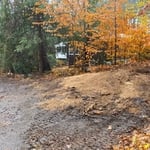
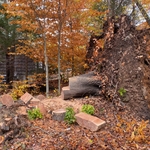
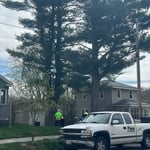
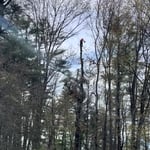
Storm Damage - After
Storm Damage - Before
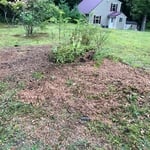
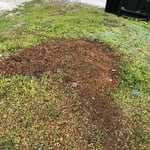
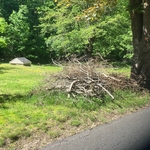
Yard Stumps - Before
Yard Stumps - After
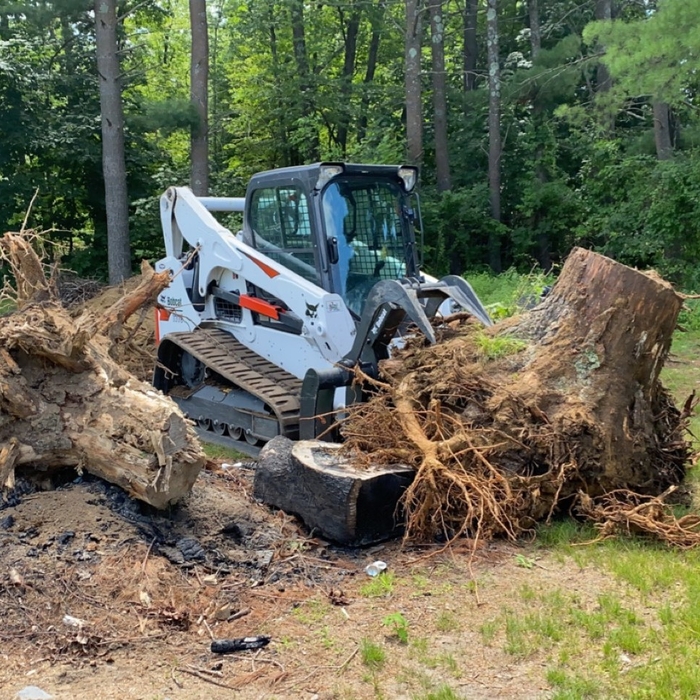
Stump Removal

+3

Response time1 day
17 neighbors recently requested a quote
Recommended by96%of homeowners
Avatar for Bart Flanagan Tree Service
Bart Flanagan Tree Service
4.4(
90
)
Tree RemovalTree TrimmingTree Removal - For Business+1 more

Serving Harrison, ME and surrounding areas

Approved

Super Service Award Winner

In business since 2009

Free estimates

Emergency services offered

"Bart Flanagan made an appointment and met me to view the tree I needed taken down. His office provided a quote and a date was set. The team arrived, dropped the tree, chipped it and were done within a half hour. Friendly, courteous and very efficient! If I ever need tree service again, I will contact Bart Flanagan,"
Response time2 days
198 neighbors recently requested a quote
Recommended by85%of homeowners

...
Showing 1-10 of 56
Arborists FAQs, answered by experts

How often and long you should water a tree depends on the species and if it is mature or newly planted. The amount of water is also based on the tree's size. A good rule of thumb is approximately 5 gallons per inch of the trunk's diameter.

Adjusting watering to the recommended suggestions for the tree type and weather conditions is vital. For instance, watering trees during a drought is necessary, and you may need to water more frequently than usual.

The speed of your tree root removal process depends on a few different factors, including the size and type of tree. However, the fastest method of killing tree roots is applying chemical herbicide, which starts working quickly and efficiently. But this removal method has its drawbacks, such as having a negative effect on the surrounding vegetation and landscaping. Other options like rock salt and stump grinding work relatively quickly and cause less damage to your yard.

Hiring an arborist or tree surgeon is usually more expensive than a standard tree company, but it is often worth the investment. Arborists have education and certifications that standard companies typically lack, leading to a more professional, expert-level service. Their expertise is particularly valuable for diseased or infested trees, as they can ensure safer removal and help prevent the issue from spreading. Additionally, arborists may be necessary for work near power lines, as uncertified companies are often not permitted to service these trees. If your goal is to preserve the health of your trees, an arborist is the best choice. Their services, such as stump grinding, are also performed with greater expertise to ensure a safe depth that won't cause your lawn to collapse over time.

Some people prefer to leave or even carve a leftover stump, but we recommend removing it if possible. You can often dig out smaller trunks with a shovel once they have died and dried out. You can have stumps professionally removed, or request a service to grind them down to ground level so they can be replaced with other landscaping or objects.

The best way to protect tree roots is to avoid the roots entirely by excavating outside the root radius of the tree. For nearby projects, it’s a good idea to construct a temporary retaining wall. But that’s not always possible, depending on the project and the root system. In these cases, consider using alternative equipment like an auger to tunnel under the ground.

Remember, tree roots can damage nearby cement foundations as they grow. If a tree is close enough to interfere with large excavations, it may be better to remove the tree than risk future problems.

The Harrison, ME homeowners’ guide to arboricultural services

From average costs to expert advice, get all the answers you need to get your job done.