


Top-rated lawn care providers.

Best lawn care providers near Intervale, NH

Enter your zip and get matched with up to 5 pros

Need a pro for your lawn service project in Intervale, NH?

Select your specific project to find the pro for you.

TRUSTED BY INTERVALE, NH HOMEOWNERS

  • Average homeowner rating star icon4
    Average homeowner rating
  • Verified reviews icon32
    Verified lawn services reviews

Top-Rated Lawn care providers in Intervale - Updated Nov 2026

David Flagg
New to Angi
Handyman for Multiple Small Projects

Serving Intervale, NH and surrounding areas

Approved

Free estimates

Emergency services offered

Small jobs welcome

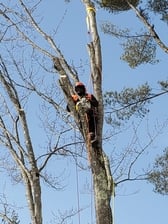
I have been a landlord for close to thirty years. I am well versed in light electrical light plumbing, light carpentry. I have tools for almost every job. Skilled with a chainsaw and will remove down trees and limbs.Have a class b truck driver's license and have worked with heavy equipment for a long time. I am mechanically inclined for most work that doesn't require a journeymans license. Television mounting, light repairs, and furniture assembly a specialty. I am retired from my thirty year career, so now I have the ability to be free and answer calls at all hours. local bee keeper so removal of pests (wasps hornets etc. ) and honey bee removal offered.

water filter.
water filter.
...
Showing 1-10 of 102
Lawns FAQs, answered by experts

The time it takes for leaves to decompose can range from six months to three years. Key factors influencing the decomposition rate include water, sunlight, and heat, so local weather conditions play a significant role. Decomposition will take longer for thick, matted layers of leaves. To speed up the process, you can mulch the leaves, as smaller pieces break down faster. Spreading large piles into thinner layers to increase exposure to sunlight and water also helps accelerate decomposition.

If your dog always does their business in the yard, daily poop pick-up makes sense. The nitrogen in the poop can start making its way into the grass and surrounding soil quickly, a rain shower can send the waste into waterways, and less poop lying around means less chance of stepping on it accidentally. 

Most mushrooms found on residential lawns are harmless. Certain varieties such as destroying angel, fly agaric, and vomiter mushrooms that can grow in grass will occasionally make their way onto residential lawn, but this is uncommon. Since mushrooms can be notoriously difficult to identify, if you suspect that your lawn mushrooms could be a poisonous type, consulting a professional is recommended.

Yes, but it depends on what you have planted in yours and the extent of the damage. Hardier shrubs and plants with droopy leaves have a better chance of bouncing back, but do go ahead and cut back any broken branches or damaged portions. Fertilizer can help, but wait until you spot new growth before you feed any plants. 

According to the College of Agriculture and Life Sciences, there are over 10,000 kinds of mushrooms, and some are harmful to both humans and animals. However, not all mushrooms are harmful—some feed on thatch and wood, which provides nutrients for grass and plants. 

But unless you’re a mushroom expert (mycologist), it can be hard to tell poisonous mushrooms from non-poisonous. So if you have kids or pets (or both), removing them is the safest route to take.

The Intervale, NH homeowners’ guide to lawn services

From average costs to expert advice, get all the answers you need to get your job done.