



Top-rated arborists.

Best arborists near Norway, ME

Enter your zip and get matched with up to 5 pros

Need a pro for your arboricultural service project in Norway, ME?

Select your specific project to find the pro for you.

TRUSTED BY NORWAY, ME HOMEOWNERS

  • Average homeowner rating star icon4.9
    Average homeowner rating
  • Verified reviews icon101
    Verified arboricultural services reviews

Top-Rated Arborists in Norway - Updated Nov 2026

Avatar for Walton Stump Grinding and Property Improvements
Walton Stump Grinding and Property Improvements
5.0(
25
)
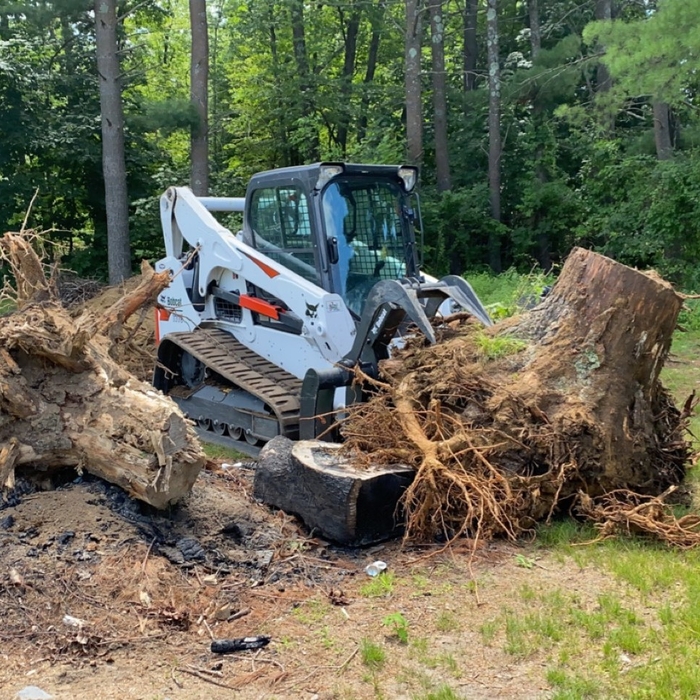
Tree Stump - Remove

Serving Norway, ME and surrounding areas

Approved

In business since 2018

Free estimates

Credit card accepted

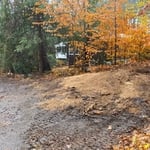
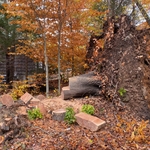
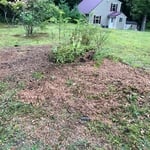
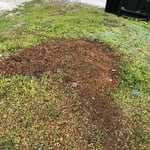
"I had Travis grind stumps for me and loam and reseed the area afterward. He was very accommodating, punctual, and polite. He did wonderful work, even spreading the wood chips, creating a lovely path in the woods. I would highly recommend their services!"
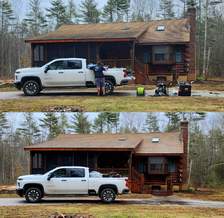
Storm Damage - After
Storm Damage - Before
Yard Stumps - Before
Yard Stumps - After
Stump Removal

+3

Response time1 day
17 neighbors recently requested a quote
Recommended by96%of homeowners
Avatar for Bart Flanagan Tree Service
Bart Flanagan Tree Service
4.4(
90
)
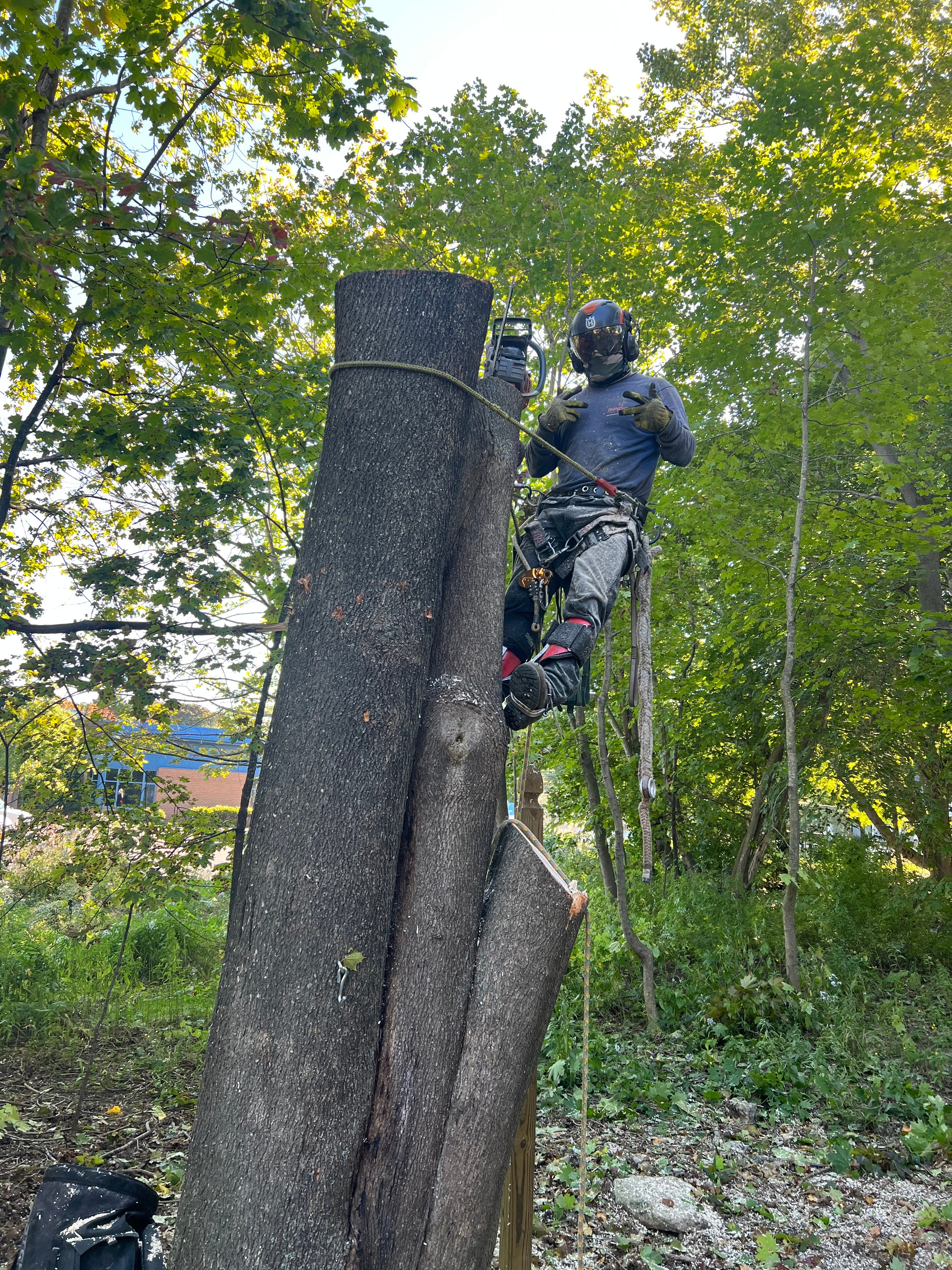
Tree RemovalTree TrimmingTree Removal - For Business+1 more

Serving Norway, ME and surrounding areas

Approved

Super Service Award Winner

In business since 2009

Free estimates

Emergency services offered

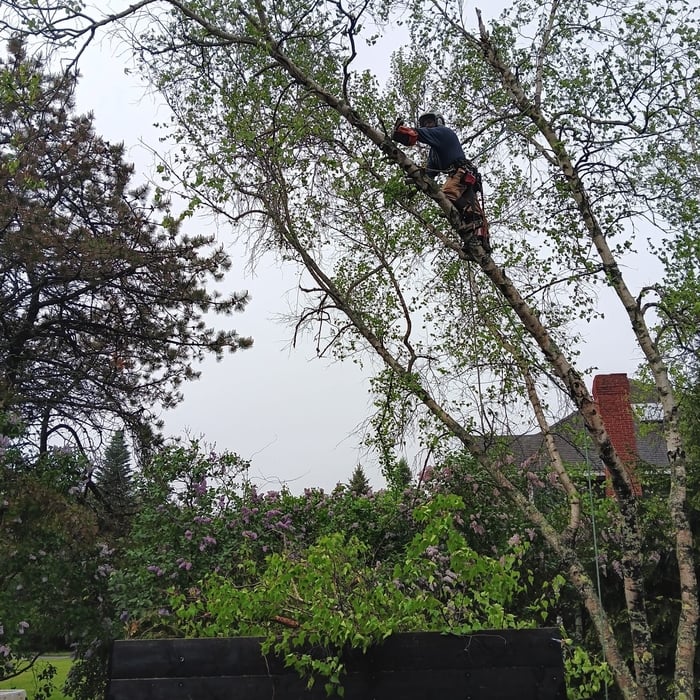
"Bart Flanagan made an appointment and met me to view the tree I needed taken down. His office provided a quote and a date was set. The team arrived, dropped the tree, chipped it and were done within a half hour. Friendly, courteous and very efficient! If I ever need tree service again, I will contact Bart Flanagan,"
Response time2 days
200 neighbors recently requested a quote
Recommended by85%of homeowners
Showing 1-10 of 49
Arborists FAQs, answered by experts

In most cases, leaving tree roots underground is not a problem if the stump has been removed or ground below the soil. However, some larger roots may decompose, leaving dents in your soil. Additionally, some aggressive trees, including willows, oaks, elms, maples, and poplars may grow back from roots. Large aggressive trees with established root systems are more likely to grow back.

Completely topping a plum tree is a risky business. Cut too much, and you’ll kill your tree. That said, you do need to trim the top of your tree to encourage bushy growth, maintain your tree’s vase shape, and limit size. 

A plum tree's central leader (or trunk) should never extend more than 3 feet above the highest branch. When you first plant your tree, cut the central leader so it’s 2 to 3 feet tall. As it grows, cut it back 12 to 20 inches until it reaches its desired height. Never prune more than one-third of the new growth.

In the case that a tree is growing directly on your property line, the cost of maintaining the tree is shared and is the property of both owners in common. In this case, all decisions regarding the maintenance of the tree must be made jointly, and both parties must agree on a course of action. You will need to agree with your neighbor about the cutting of any roots before you carry it out, and your neighbor must also consult with you before doing any trimming. Coming to an agreement with your neighbor about any shared trees ahead of necessary trimming and maintenance will make this process much simpler.

The best time to prune Japanese flowering cherry trees depends on where you live and the type of flowering cherry tree. Some trees benefit from being pruned toward the end of winter or early spring, after the last freeze. Meanwhile, other trees do well after blooming, in late spring or early summer. Avoid pruning your flowering cherry tree in the early winter, as this encourages open wounds that can lead to infections or infestations. 

In most ways, palm trees are incredibly low-maintenance. They don’t need a ton of water—which is why they’re so beloved in desert regions—and they basically prune themselves. But they do need an ample supply of sunlight and to be in soil that will allow for proper drainage so that their roots don’t become waterlogged and at risk of developing illnesses.

If the plant begins to wilt, develop spots, or change color, these could all be signs that your palm tree has a disease. But a few basic treatments, like pruning and applying fungicide, will usually be more than enough to return it to perfect health.

The Norway, ME homeowners’ guide to arboricultural services

From average costs to expert advice, get all the answers you need to get your job done.