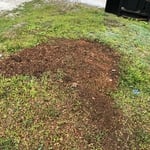
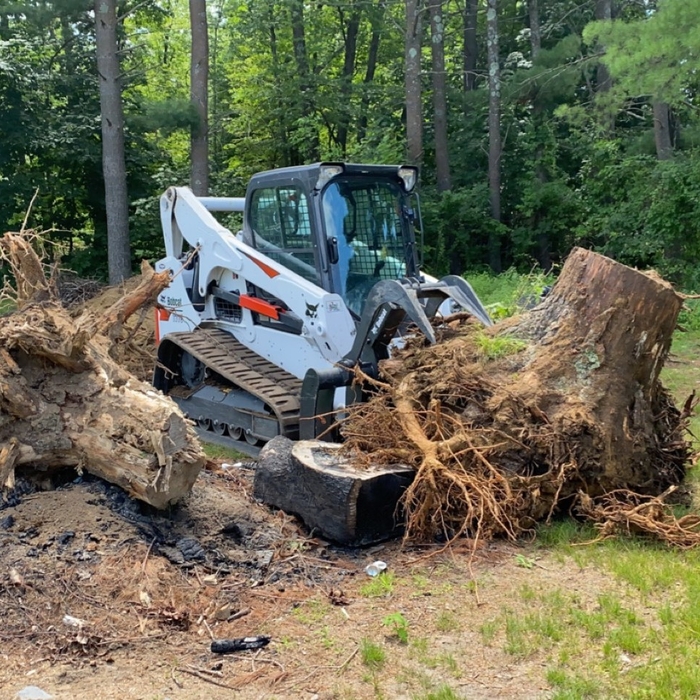
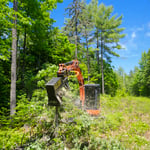
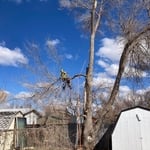
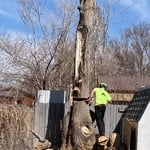
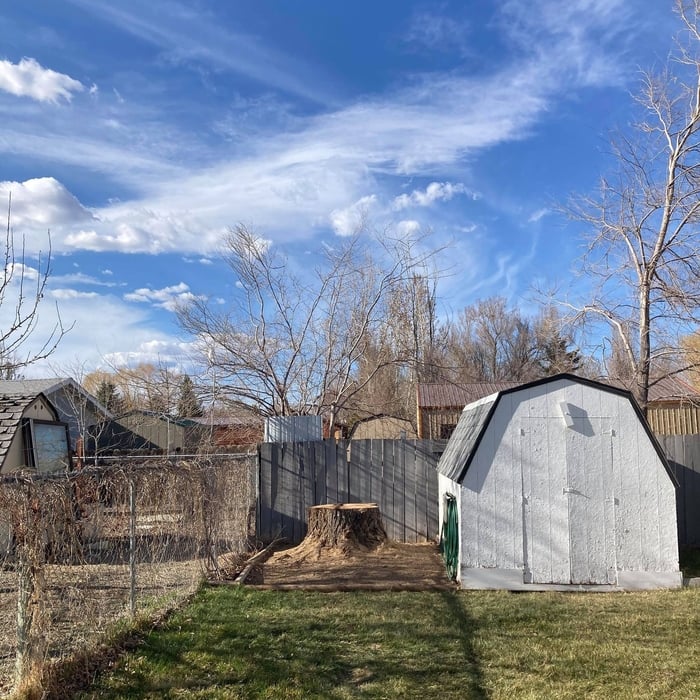
We are a locally owned and operated company that values honesty, integrity and treats your property with respect and care. We offer stump grinding services. We pride ourselves on the quality of our work as well as our commitment to outstanding results. We look forward to building lasting relationships with our clients and guarantee your satisfaction!
We are committed to excellence in every aspect of our business. We uphold a standard of integrity bound by fairness, honesty, and personal responsibility. Our distinction is the quality of service we bring to our customers. Accurate knowledge of our trade combined with ability is what makes us true professionals. Above all, we are watchful of our customers' interests, and make their concerns the basis of our business.
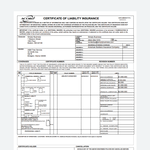
Lawn care specialist 10 years experience, 7 years working with commercial clients. Fully insured up to 1,000,000$ general liability/commercial auto and workers compensation.
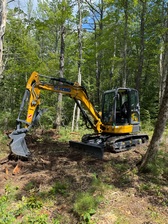
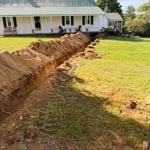
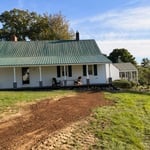
I am a veteran owned small business. With a high standard of professionalism. My business offers civil excavation site prep and land management from residential to commercial.
"Just sat with owner Jim and he will probably get the job. Very nice guy, affordable quote too. I wanted to get a second quote but can't find another arborist in my area... Belgrade, Me."
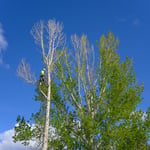
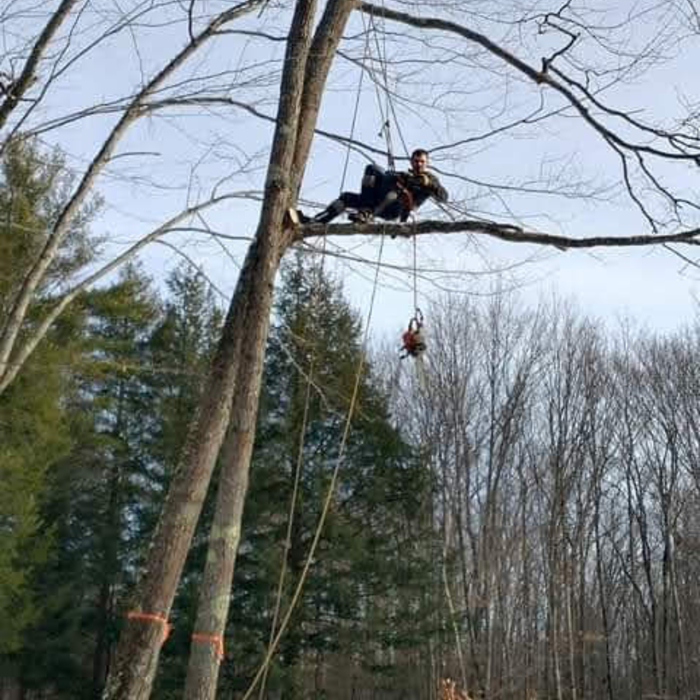
24/7 Emergency Services,Fully Licensed, Insured & Workers Comp Protected.With our immense attention to detail and excellent post job clean-up, our family-owned and operated team strives to build excellent relationships with our customers. With an Arborist on staff and a combination of over 64 years chopping experience. From chopping down a tree to cutting it up and carrying it away, our contractors will make it look like the tree was never there. Priding ourselves with our regular communication before, during, and after each tree removal or yard maintenance service, our clients are with us every step of the way. Check us out at 3csprofessionaltrees.com/
A&M Tree Service specializes in emergency and routine tree maintenance. If you have a tree threatening your home or simply want to make sure your trees are as healthy as possible, we are the guys to call!
Owner-operated. cost is determined by the job. No travel charges. No written contract charges changed without written change order agreed to by customer. May contact through email.
There are a few instances in which removing a tree is the best option. You might do this if the tree looks to be a major danger—potentially falling onto your home, your car, or other parts of your property—or it’s diseased beyond repair. A tree that is growing too close to your house might need to be removed to prevent mold growth.
Light-bark trees are most notorious for producing lots of sap when wounded. These varieties include maples, birches, poplars, dogwoods, magnolias, and elms, and they will bleed more when the trees are dormant. That’s why it’s a good idea to prune them in the summer months rather than waiting until winter.
The recovery time for pruning depends on how much you prune, the species of tree, and how well you care for it afterward. All trees grow new wood and often sprout additional branches after pruning. Ideally, trees should recover from normal pruning after one or two years. Heavy pruning or slow-growing trees may take several years to fully recover.
Tree removal costs typically don’t include stump removal, as that technically falls into a different service. The company you hire may offer the service for an additional fee; ask them if they offer it to ensure you get the best tree stump removal costs possible.
Palm trees are unique in that their roots don't grow straight down; they grow horizontally. Typically, palm tree roots go down between 12 and 36 inches deep. The roots grow far and wide from the base of the palm tree to absorb as much water and soil nutrients as possible. In addition, the horizontal roots are also very strong—keeping palm trees stable and helping them sway during storms.
The Lovell, ME homeowners’ guide to arboricultural services
From average costs to expert advice, get all the answers you need to get your job done.
How much does an arborist cost? This guide explains the cost of different services, ongoing expenses, and other factors to consider when hiring an arborist.
Tree inspections can ensure your trees stay healthy and safe, preventing costly damage. Learn how much tree inspections cost and what can affect the price.
Arborists are specialized tree care experts. This guide will help you hire an arborist with all the qualifications to give your trees the best care possible.