


Top-rated paving pros.

Get matched with top paving pros in Clarkson, NE

Enter your zip and get matched with up to 5 pros

Need a pro for your paving service project in Clarkson, NE?

Select your specific project to find the pro for you.

Find Paving pros in Clarkson

Avatar for 1 Stop Paving
1 Stop Paving
5.0(
1
)

Serving Clarkson, NE and surrounding areas

In business since 2017

Free estimates

Offers commercial services

Customer satisfaction is what determines our success, which is why we take a hands-on approach. When interacting with 1 Stop Paving, you'll notice that we're particularly focused on the principles of quality workmanship, timely completion, competitive pricing and integrity in all our business dealings. We combine knowledge and research with our extensive practical experience to ensure a specialized approach for your project needs. Contact us today for a fair and accurate estimate of your project. We look forward to adding you to our long and growing list of happy customers.

Response time9 hrs
Recommended by100%of homeowners
Romeo’s
New to Angi

Serving Clarkson, NE and surrounding areas

Hey I’m Jerome with legacy Construction company I’m the owner we guarantee to do excellent service we do it all concrete and asphalt we stripe and seal coat we’re all about putting a smile on you face and respect is a big thing for me im southern raised been in Nebraska 11 years now been doing construction for 16 years now my clients are like family looking to here from yall soon.

Paving Services questions, answered by experts

Asphalt and tarmac are not the same thing. Traditional tarmac, short for tarmacadam, uses tar as a binder to hold crushed stone together. Asphalt uses bitumen—a byproduct of crude oil—to bind aggregate. Though tarmac was once a go-to for roads, asphalt has become the modern standard. And these days, most surfaces referred to as “tarmac” are actually asphalt. So, while the names may overlap, the key distinction lies in the binder—tar for tarmac and bitumen for asphalt.

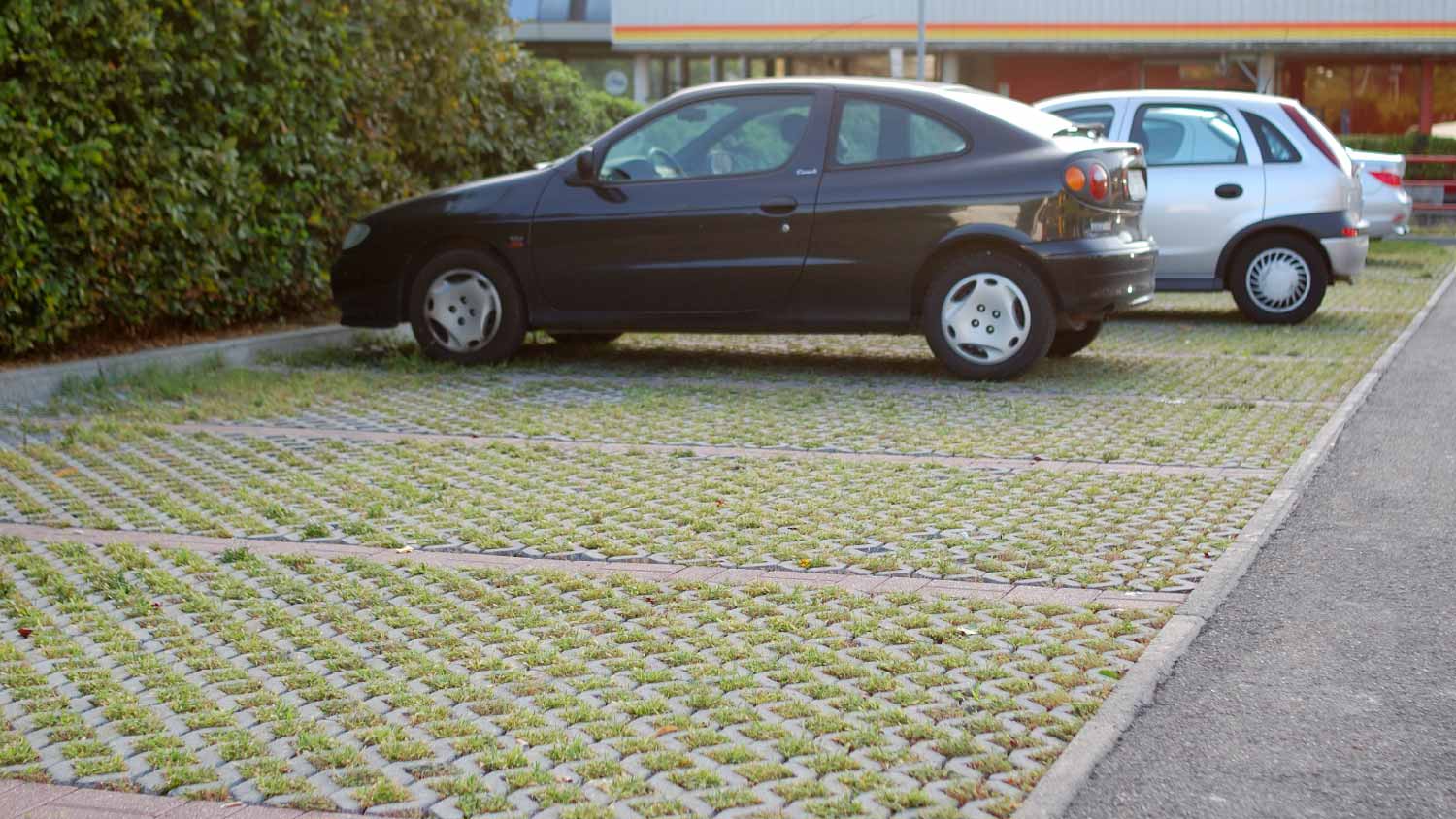
Grass pavers are suitable for heavy foot or vehicle traffic, but they’re not as resistant as concrete or asphalt pavers.

You should place a layer of thick landscaping fabric directly over the concrete slab and then a thin layer of leveling sand over that to protect the pavers from moisture. For border pavers, you should plan on locking them in place with polyurethane adhesive. This will prevent them from shifting under foot traffic.

After removing existing moss, consider using paver blocking sand to fill the joints. This specialty material hardens once placed and serves as an effective barrier against moss and weeds. From there on, regularly clean your pavers and try to keep them dry. You can also seal your paver as a semi-permanent solution — just make sure you reseal every 3 to 5 years.

Paver driveways are durable and aesthetically pleasing, but they do have a few cons. For instance, paver driveways are often more expensive than asphalt and concrete driveways. They also make it easier for weeds to grow where the separate pavers meet up. They may also be more likely to settle over time.

The Clarkson, NE homeowners’ guide to paving services

From average costs to expert advice, get all the answers you need to get your job done.