
Top-rated landscapers.

Get matched with top landscapers in Palmer, NE

Enter your zip and get matched with up to 5 pros

Need a pro for your landscaping project in Palmer, NE?

Select your specific project to find the pro for you.

Find Landscapers in Palmer

Avatar for FSC Renovations Group
FSC Renovations Group
5.0(
4
)
Landscape - Soil, Sand, Mulch and Rock Delivery - For Business

Serving Palmer, NE and surrounding areas

Approved

In business since 2020

Free estimates

Emergency services offered

"I only needed to outlets replaced (or re-wired?) and on overhead fixture replaced in the laundry room. Frank knew just what I wanted with my mangled "electricalese" and took care of my problem. So pleased."
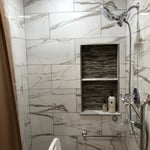
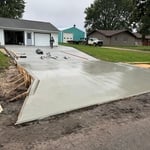
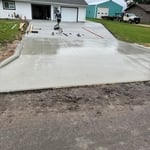
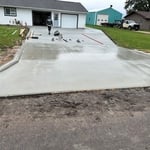
After
Before
Response time1 day
4 neighbors recently requested a quote
Recommended by100%of homeowners
...
Showing 1-10 of 58
Landscaping questions, answered by experts

Determining how many boulders you’ll need for your landscaping project depends on the area you need to cover and how big each boulder is. First, you’ll need to determine how big of an area you want covered, then divide that by the base surface area of the boulders. A landscape professional can help you determine how many boulders will be right for your project.

Unless it only rains once in a blue moon where you live, you’re going to want water-loving plants in your garden bed or pot. A few ideas for plants that aren’t super fast-growing (meaning they’re good in pots or near foundations) and can handle a lot of standing water include: 

  • Acorus (Sweet flag)

  • Colocasia esculenta (Taro or elephant ear): In many climates, these are annuals, making them less desirable because you need to adjust the chain again after each replant.

  • Equisetum scirpoides (Dwarf horsetail rush): non-dwarf varieties of horsetail are fast growers and can take over quickly.

  • Juncus effusus (Curly rush)

  • Osmunda regalis (Royal fern): Royal fern can grow quickly but can also handle being crowded, making them good container plants.

Many people have used old tires in gardens as raised beds, planters, tree rings, and DIY decor. However, these uses are not recommended due to the toxicity of many of the chemicals used to manufacture tires. These chemicals can leach into the soil and water as the tire breaks down, creating environmental pollution and health hazards for gardeners and their families.

The truth is, there really is no such thing as a 100% deer-proof plant. Deer will decimate even the prickliest flora if they’re hungry enough. However, there are plenty of beautiful plants that deer don’t necessarily enjoy. These include thistles, wisteria vines, sword ferns, and beautyberries.

Deer are herbivores, and they love vegetable gardens as much as Peter Rabbit. If you don’t want to fence in your entire property, consider creating an attractive raised-bed veggie garden with mesh fencing around it to keep out deer and other critters.

Environmental considerations include native plant selection, wildlife habitation, erosion prevention measures, and managing water runoff patterns to protect the lakefront ecosystem.

The Palmer, NE homeowners’ guide to landscaping services

From average costs to expert advice, get all the answers you need to get your job done.