


Top-rated radon detection and reduction specialists.

Get matched with top radon detection and reduction specialists in Wilsons Mills, NC

Enter your zip and get matched with up to 5 pros

Need a pro for your radon detection and reduction project in Wilsons Mills, NC?

Select your specific project to find the pro for you.

Find Radon detection and reduction specialists in Wilsons Mills

Avatar for SWAT Environmental, Inc.
SWAT Environmental, Inc.
4.3(
63
)
Radon Gas - Abatement

Serving Wilsons Mills, NC and surrounding areas

In business since 2002

Free estimates

Credit card accepted

"I can not recommend this company highly enough. If you have ANY concerns or questions regarding radon give them a call. They will give you an honest assessment and recommendations tailored to your specific situation. Overall a great experience!"
Recommended by89%of homeowners
Avatar for Brickkicker Inspection Services
Brickkicker Inspection Services
5.0(
5
)
Radon Gas - Testing

Serving Wilsons Mills, NC and surrounding areas

In business since 2025

Free estimates

Small jobs welcome

We at Brickkicker Inspection Services focus on quality services over quantity. We use our experience and expertise to complete your project with perfection. Customer service and honesty are the most important aspects of our business and your satisfaction is guaranteed. Please call us today for an estimate. We look forward to working with you.

Response time2 hrs
Victory Home Inspections
New to Angi
Radon Gas - Testing

Serving Wilsons Mills, NC and surrounding areas

In business since 2022

Free estimates

Credit card accepted

I am a veteran of the US Army. I currently reside in Johnston County and noticed a need for quality Home Inspections. I have been certified since 2022, but come with over a decade of inspection from the industrial community. I provide an attention to detail and customer-focused mindset and business. Reach out for a quote or try our FREE estimate tool!

Q I C, Inc
New to Angi
Radon Gas - Testing

Serving Wilsons Mills, NC and surrounding areas

In business since 2001

Free estimates

Credit card accepted

Here at Q I C, Inc., we take pride in our company. We know that buying a house is one of life's biggest decisions. Before you close, you'll want a professional inspection of the house to ascertain its true condition. As your home inspector, I'll provide a written report that will include an evaluation of the house's major systems and outlying areas. Please give us a call today!

Showing 1-10 of 12
Radon Detection and Reduction questions, answered by experts

Keeping radon from getting into your home is much better than having to get rid of it once it's already indoors. While there may not be a way to fully prevent radon from getting into your home, there are things you can do to reduce the gas's ability to enter. 

Sealing foundation cracks and openings can help keep the gas from seeping inside. Improving air flow, such as by opening windows, can also be helpful. If you're building your home from scratch, talk to your contractor about using radon-resistant construction to keep the gas out.

No level of radon is technically safe, but since it is naturally present everywhere, it is impossible to avoid entirely. The average radon level in homes across the United States is 1.3 picocuries per liter (pCi/L). The Environmental Protection Agency (EPA) recommends taking action to reduce radon levels if your home's test results are between 2 and 4 pCi/L or higher.

Mitigation can take several days depending on home setup, equipment accessibility, and achieving effective diffusion system sealed efficiency.

Radon is present almost everywhere but, like sunlight, the concentration levels and how often you are exposed to it have a large part to play in just how dangerous it is. There are levels of radon that are acceptable inside a house, but above a certain limit, radon becomes a serious radioactive hazard that is a known cause of lung cancer. In fact, radon exposure is the number two leading cause of lung cancer (after smoking).

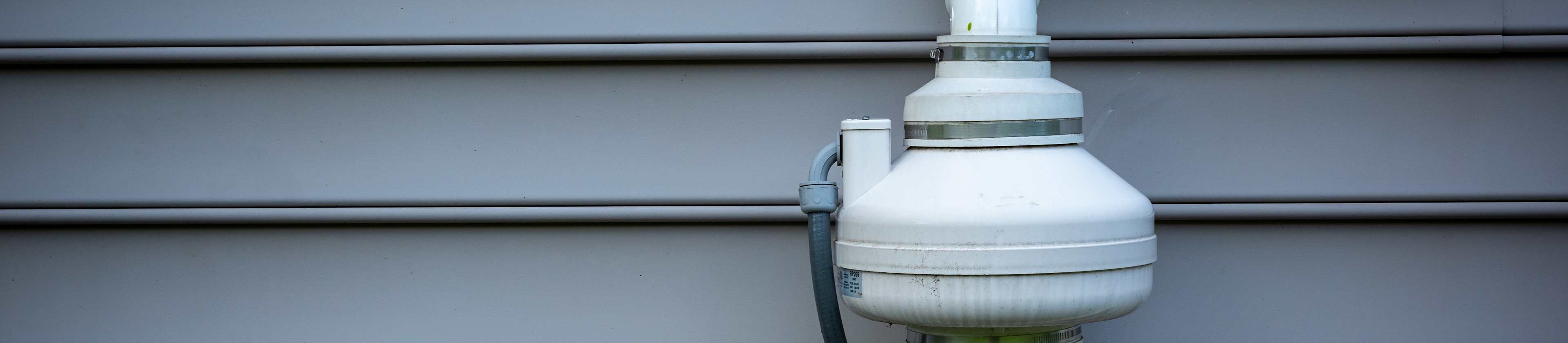
Your radon mitigation system may be loud because it’s time to replace it. Any sounds are usually from the inline fan that helps create the vacuum and resulting airflow. If you hear a new, loud mechanical or humming noise from your radon fan, it might be time to replace it. Most fans used in radon mitigation systems last up to 10 years, but may need to be replaced sooner.

The Wilsons Mills, NC homeowners’ guide to radon detection and reduction services

From average costs to expert advice, get all the answers you need to get your job done.