

The cost of a radon mitigation system depends mostly on the type of system being installed. Use this guide to learn about your options.
A safe peak inside this critical home system

A diagram shows your fan pulling radon from a suction pit under your slab, then venting it through PVC pipe outside.
Expect to pay $800 to $1,280 for professional installation, plus $150 to $720 for radon testing every two years.
Schedule regular inspections so your U-tube gauge shows steady suction, your fan stays quiet, and the alarm monitor signals problems fast.
Hiring a local radon testing professional provides peace of mind through biennial radon level checks and system evaluations, keeping your home safe from this harmful gas.
Radon mitigation systems protect your home and family from the dangers of radon gas, a leading cause of lung cancer in non-smokers. These systems vent radon from beneath your home’s foundation to the outside, ensuring it does not accumulate to harmful levels indoors. Learn about a radon mitigation system diagram to understand how its parts work.
A radon mitigation system reduces radon gas levels in your home using a vent pipe system and a fan. The system draws radon from beneath the house and vents it safely outside, preventing it from entering your home.
Randon mitigation systems can be active or passive, but there are three main types of radon mitigation systems. While the parts are the same for all, their location is what differentiates them. Sub-slab suction extracts radon directly from under the foundation, while drain tile suction pulls soil gases through a pipe in the drain tile with covered sump baskets for containment. For crawl spaces, a sub-membrane system uses a sealed plastic sheet to trap soil gas, which is then vented outside through a radon pipe.
Below are each of the system's parts and how they operate to keep your home free from radon.
The radon fan is installed in an unconditioned space to prevent radon gas from leaking back into the home. It is powered by an electrical connection, either through an electrical junction box or by being hardwired into the home’s electrical system. The radon fan maintains a constant suction force, pulling radon gas from beneath the home and venting it safely outside.
A U-tube manometer is a simple device used to check if the radon mitigation system’s fan is functioning properly. It consists of a clear tube filled with liquid that shows a pressure difference when the fan is operational. If the liquid levels are uneven, it indicates the fan is creating suction, meaning the system is working.
Once the radon mitigation system is installed, a licensed radon professional attaches a radon system tag. This tag provides essential information, including the installer’s name, contact details, installation date, and license number. The tag certifies proper installation and serves as a point of reference for future maintenance or system checks.
An active notification monitor is a safety feature that alerts you when the radon fan isn't operating correctly. This monitor uses sound or visual alarms to signal fan malfunctions. This safety feature ensures any issues with the system are promptly addressed.
The radon pipe, made of PVC, carries radon gas from beneath the home to a safe location outside. It must meet strict guidelines, being at least 10 feet above the ground, 10 feet from any windows, doors, or other openings, and extending above the roofline. These placement requirements prevent radon from re-entering the home or nearby structures.
A suction pit is dug beneath the basement floor or foundation, allowing the radon pipe to collect radon gas directly from under the home. The fan then creates suction to draw the radon out of the pit and vent it safely outside. Proper sizing and placement of the suction pit are essential for optimal system performance.

A pro should inspect your radon mitigation system regularly to make sure it’s doing its job. They should inspect the U-tube manometer to confirm that the fan is creating the proper suction. They may also listen for unusual fan noises and monitor the active notification monitor for anything out of the ordinary.
You should hire a radon testing pro near you every two years to check on the radon level in the home and ensure they’re within a safe range. The average radon testing costs between $150 and $720, though it varies based on the type of test performed.
Exposure to radon over a long period of time can cause serious health problems, including lung cancer. Lowering radon in your home requires professional knowledge and skills only available by hiring a radon mitigation pro.
Deciding whether to repair or replace a radon mitigation system depends on the extent of the issue, the system's age, and its effectiveness. If it's an isolated problem, such as a malfunctioning fan or a damaged pipe, a repair is sufficient. How long a radon fan lasts can vary, but five to 10 years is the average. If the fan is nearing the end of its life span, replacement would be the best long-term solution. Conduct a radon test before deciding—if levels remain high despite minor repairs, you should replace the system.
Replacement is better if the system is outdated or significantly damaged, especially if new mitigation technologies could provide more effective radon reduction. Structural changes to your home, like renovations or foundation work, may require a system upgrade to accommodate altered radon entry points.
The average radon mitigation system costs between $800 and $1,280. Radon remediation contractors install radon mitigation systems. These licensed radon pros can evaluate the system and recommend the best course of action.
Corey Carr was great. I had damage from a recent storm and needed to have my mast and other components replaced. The project entailed coordinating with AEP, and Corey helped make a stressful situation a lot less stressful. I really appreciated his dedication to service and the job very well done.
 Mr. Electric of Columbus
I recently moved to another state and chose United Trust Van Lines after comparing several companies. Their team was punctual, professional, and extremely careful with my belongings. I was especially impressed with how they handled my home office setup and fragile items. Everything arrived on...
 United Trust Van Lines, LLC
Great company! Price was competitive, technician showed up on time and completed the job (exterior electric Radon fan replacement) quickly. Would hire them again.
 MaGen Property Inspections and Radon Mitigation
Very professional, knowledgeable and helpful! Completed the install on time and as expected.
 Ward's Services
Cole has been handling plumbing and general contracting for our four properties over the past three years, and he’s always done a great job. Most recently, he installed a sink and countertop in our retail store where none existed before, and it turned out exactly how we needed. He’s...
 ANB Renovations LLC
Very easy to talk to, helped me enormously and will be back for more projects I have. Quick and knowledgeable, very professional and a high quality personality!
 Elwood's Mobile Welding
Couldn't ask for a better company. Josh and Dee were Very professional, efficient, courteous and takes major pride in their work. They will travel to come to your home and will still give you a fair price. They are honest and trust worthy. Their focus is on their work and their work is...
 Supreme brick & chimney
It was a difficult job and Robert and his son worked diligently to get it done.
I had a tight deadline for a commercial painting project, and Custom Paint Jobs LLC delivered on time and within budget. Their efficiency and quality are top-notch.
 Custom Paint Jobs, LLC
Koby and Kyle are amazing!! They were super fast and friendly, highly recommen!
 All My Sons Moving & Storage
From average costs to expert advice, get all the answers you need to get your job done.
The cost of a radon mitigation system depends mostly on the type of system being installed. Use this guide to learn about your options.

Get clear answers on how much radon remediation costs, including average prices, key cost factors, and tips to save money on your home’s radon mitigation.
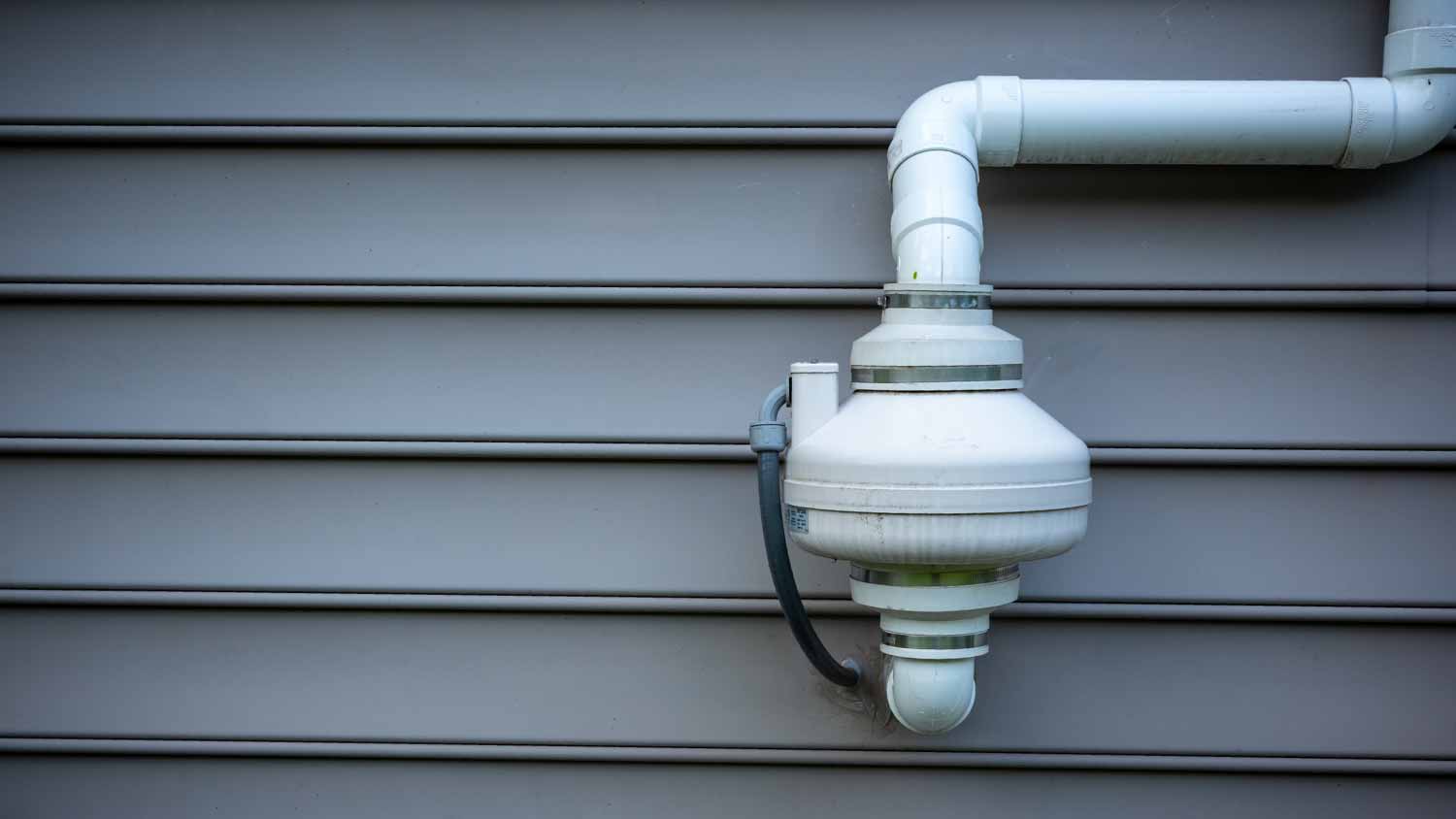
Find out the average cost of radon fan replacement, key price factors, and ways to save. Get expert tips to budget for your radon mitigation system.

How long does a radon mitigation system last? A properly installed and maintained system can last 20 years or more, but various issues can reduce the life span.
Need to find a qualified radon mitigation service? Learn how to hire the right pro, from certifications to questions to ask, to protect your home.

Radon is a gas that you can't see or smell and is harmful to your health. If your home has radon, you need to know who installs radon mitigation systems.