





Top-rated electricians.

Get matched with top electricians in Rural Hall, NC

Enter your zip and get matched with up to 5 pros

Need a pro for your electrical service project in Rural Hall, NC?

Select your specific project to find the pro for you.

TRUSTED BY RURAL HALL, NC HOMEOWNERS

  • Average homeowner rating star icon4.7
    Average homeowner rating
  • Verified reviews icon399
    Verified electrical services reviews

Find Electricians in Rural Hall

Avatar for Mills Electric Company LLC
Mills Electric Company LLC
5.0(
8
)
Ceiling Fan - InstallCeiling Fan - RepairElectric Vehicle Charging Station Installation - For Business - Materials Not Provided+14 more

Serving Rural Hall, NC and surrounding areas

Approved

In business since 2023

Emergency services offered

Warranties offered

"Mills electric repaired all the outside outlets on my house. He also got lights working in my crawl space that have not worked in a while!! It was all in bad wiring. Which he figured out within an hour of being here!! I HIGHLY Recommend them for you electrical needs!!"
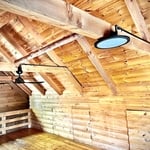
Upstairs Dimmable lighting and fan
Cabin fans and lighting

+6

Response time5 days
Recommended by87%of homeowners

Gfeller Electric
5.0(
5
)
Ceiling Fan - InstallCeiling Fan - RepairElectrical Switches, Outlets & Fixtures - Install or Repair+10 more

Serving Rural Hall, NC and surrounding areas

Approved

In business since 2010

Free estimates

Customers say: Quality work

"He was great!! He was able to fix my bathroom fan and it is still working great! He was professional and quick. He also noticed my light switch was going out and repaired that. He answered all my questions. I definitely will be using him in the future, if I need an electrician and recommend him to anyone else I know."
Response time3 days
Recommended by100%of homeowners

...
Showing 1-10 of 260
Electrical questions, answered by experts

Aluminum wiring can pose a significant fire risk because it tends to expand, contract, and overheat, leading to failing connections and splices. If your home has aluminum wiring, it doesn't always require a complete replacement, but you must take safety precautions. The first step is to hire a licensed electrician to conduct a thorough inspection. Based on their findings, you have several options:

  • Full Replacement: The safest but most expensive solution is to replace all aluminum wiring with copper.

  • Copper Pigtailing: A more budget-friendly option, suitable for certain homes, involves adding a short section of copper wire to the end of each aluminum wire at connection points.

  • Other Safety Upgrades: Your electrician may also recommend installing aluminum-compatible outlets and applying an anti-oxidant paste to connections to prevent corrosion.

Consulting a professional will help you determine the best course of action to ensure your home's wiring meets current safety standards.

Incorrectly wiring a single-pole switch results in the connected light or device not turning on or tripping the circuit breaker. Although it doesn't matter which terminal the hot wire and the load wire connect to, mixing up a circuit wire with a ground or having loose connections can prevent the switch from working. 

Yes, in some locations, it is required by the National Electric Code (NEC) to have a transfer switch installed for electrical emergencies. In addition to following electrical code, generator transfer switches ensure your home is fully protected during a power outage. By switching the power from the main breaker to the generator breaker, you can seamlessly operate your HVAC, lights, appliances, devices, and more during an emergency. 

Yes, you can connect two extra outlets (or more) to one outlet if the total load on the circuit allows for it. If you have a 15-amp circuit, electrical code allows up to eight outlets or light switches. But if you’re dealing with outlets in the kitchen and bathroom, you may not be able to have as many. Kitchen and bathroom appliances often need higher amperage. You can also change a single outlet to a double outlet by cutting a larger hole in the drywall and replacing the outlet with a quad receptacle.

Choosing between 12- or 14-gauge wire for your house depends on the electrical requirements of the circuit. A 12-gauge wire is thicker and can handle more power, making it better suited for devices such as kitchen appliances, air conditioning units, or electric heaters.

A 14-gauge wire is thinner and can handle less electrical current than a 12-gauge wire. It's ideal for circuits with lower power requirements, such as lighting or general-purpose outlets in bedrooms or living rooms.

The Rural Hall, NC homeowners’ guide to electrical services

From average costs to expert advice, get all the answers you need to get your job done.