


Top-rated electricians.

Get matched with top electricians in Boonville, NC

Enter your zip and get matched with up to 5 pros

Need a pro for your electrical service project in Boonville, NC?

Select your specific project to find the pro for you.

TRUSTED BY BOONVILLE, NC HOMEOWNERS

  • Average homeowner rating star icon4.6
    Average homeowner rating
  • Verified reviews icon80
    Verified electrical services reviews

Find Electricians in Boonville

Avatar for Hamilton LP Lightning Rods
Hamilton LP Lightning Rods
5.0(
11
)
Lightning Protection - Install or Repair

Serving Boonville, NC and surrounding areas

Approved

In business since 1964

Free estimates

Offers commercial services

With more than 30 yrs of experience, Hamilton Lightning Protection is dedicated to providing our customers with the best quality at a great price. We are here to build relationships with our customers and communities and to provide our employees with a great place to work. We look forward to working with you!

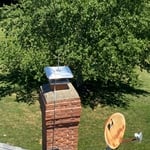
Chimney rod and conductor cable
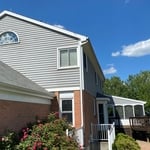
Front of home,system is barely noticeable
Hiding the cables best we can
Rear of home
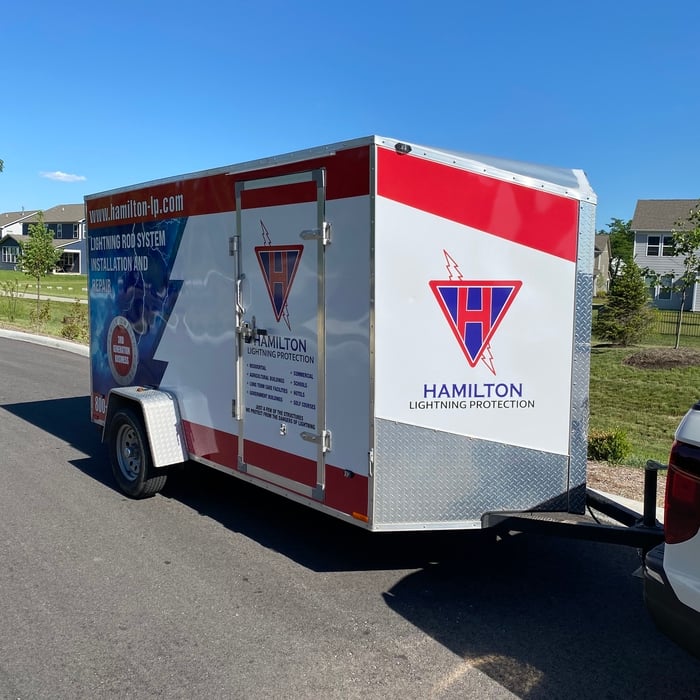
Work trailer

+4

Response time1 day
40 neighbors recently requested a quote

Recommended by100%of homeowners
Avatar for Bullseye Electrical LLC
Bullseye Electrical LLC
5.0(
3
)
Fixed Generator - RepairGenerator - Repair - For BusinessLightning Protection - Install or Repair+1 more

Serving Boonville, NC and surrounding areas

Approved

Super Service Award Winner

In business since 2025

Free estimates

Emergency services offered

"Payton from Bullseye did excellent work installing shop lights in our detached garage. He ran power from our house, installed a panel, ran all the wire and put in a few outlets and switches too. He finished it all super quick, and was very fair with his price. Great work ethic, great communication, great company, and he left us super happy with the end result."
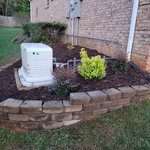
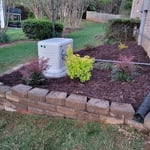
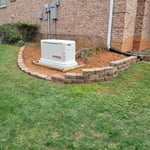
Generac Generator
Generac Generator
Generac Generator
Garage New wire
Garage New wire

+1

Response time6 hrs
Man Electric
5.0(
1
)
Electrical Switches, Outlets & Fixtures - Install or RepairElectrical Wiring or Panel Upgrade

Serving Boonville, NC and surrounding areas

Approved

In business since 1990

Free estimates

Customers say: Quick response

We take great pride in our experience, expertise, quality, and customer service that we provide to meet the consumer's needs. It is our mission to provide excellent workmanship and complete customer satisfaction from start to completion of a project. In order to understand the needs and expectations of our customers, we take great care to work and communicate with every customer in a professional manner. Our reputation is based on service, safety, and quality, regardless of how large or small the job.
Response time12 hrs
Recommended by100%of homeowners
...
Showing 1-10 of 149
Electrical questions, answered by experts

The NEC requires electrical outlets be installed in a kitchen that has a sink 12 inches wide and 24 inches deep. According to the code, that outlet must be within 2 feet of the kitchen sink. Bathrooms must have at least one electrical outlet, it must be GFCI, and it must be within 3 feet of the bathroom sink.

Yes, you can connect two extra outlets (or more) to one outlet if the total load on the circuit allows for it. If you have a 15-amp circuit, electrical code allows up to eight outlets or light switches. But if you’re dealing with outlets in the kitchen and bathroom, you may not be able to have as many. Kitchen and bathroom appliances often need higher amperage. You can also change a single outlet to a double outlet by cutting a larger hole in the drywall and replacing the outlet with a quad receptacle.

If it’s called a USB outlet without any further designation, it likely refers to a USB-A port. These are the original USB connections and are commonly integrated within power outlets. In recent years, USB-A cables have slowly been usurped by faster and more reliable USB-C cables. USB-C connectors are small and ultra-thin with a reversible design, while USB-A connectors are slightly larger and bulkier.

Regular inspections, avoiding circuit overloads, and updating wiring when needed help maintain efficiency.

The most common gauge for indoor outlets around your home is 12- and 14-gauge wires. But if you’re working with larger appliances like ovens, washing machines, or dryers (all of which require more amplitude), you might find 10-, eight-, or six-gauge wires to help support those hefty appliances.

The Boonville, NC homeowners’ guide to electrical services

From average costs to expert advice, get all the answers you need to get your job done.