




Top-rated electricians.

Get matched with top electricians in Stokesdale, NC

Enter your zip and get matched with up to 5 pros

TRUSTED BY STOKESDALE, NC HOMEOWNERS

  • Average homeowner rating star icon4.7
    Average homeowner rating
  • Verified reviews icon195
    Verified electrical services reviews

Find Electricians in Stokesdale

Avatar for Bullseye Electrical LLC
Bullseye Electrical LLC
5.0(
3
)

Serving Stokesdale, NC and surrounding areas

Approved

Super Service Award Winner

In business since 2025

Free estimates

Emergency services offered

"I recently hired Bullseyefor some electrical work, and I couldnโ€™t be more impressed. From start to finish, the communication was clear, the service was prompt, and the work was top-notch. They handled everything professionally and made sure the job was done safely and efficiently. It's rare to find a company that combines quality work with great customer service, but they nailed both. Iโ€™ll definitely be using them again for any future electrical needs and recommending them to friends and family!"
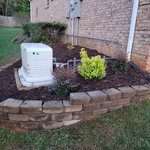
Generac Generator
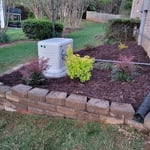
Generac Generator
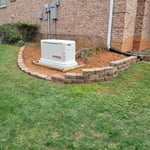
Generac Generator
Garage New wire
Garage New wire

+1

Response time6 hrs
Avatar for Blakley Electric LLC
Blakley Electric LLC
5.0(
3
)

Serving Stokesdale, NC and surrounding areas

Approved

In business since 1999

Free estimates

Warranties offered

"Company was able to fit us in quickly when we had an issue. Very professional and prompt. They will be our go to for electrical work in our home."
Response time2 days
Response rate100%
2 neighbors recently requested a quote
...
Showing 1-10 of 246
Electrical questions, answered by experts

You can run a small or basic standard-size refrigerator on a 15-amp circuit. But you should plug a modern, standard-size refrigerator into a 20-amp dedicated circuit. The refrigerator needs to be on a dedicated circuit, meaning it is the only appliance and outlet on that circuit breaker. This method prevents tripping the breaker and reduces the chance of an electrical fire

You should never wire neutral and ground wires together at a light switch. Not only is it unsafe, but it’s also incorrect. The neutral and ground wires perform separate functions in an electrical circuit and should never be swapped or wired together at a light switch, light, or outlet. 

Aluminum wiring can pose a significant fire risk because it tends to expand, contract, and overheat, leading to failing connections and splices. If your home has aluminum wiring, it doesn't always require a complete replacement, but you must take safety precautions. The first step is to hire a licensed electrician to conduct a thorough inspection. Based on their findings, you have several options:

  • Full Replacement: The safest but most expensive solution is to replace all aluminum wiring with copper.

  • Copper Pigtailing: A more budget-friendly option, suitable for certain homes, involves adding a short section of copper wire to the end of each aluminum wire at connection points.

  • Other Safety Upgrades: Your electrician may also recommend installing aluminum-compatible outlets and applying an anti-oxidant paste to connections to prevent corrosion.

Consulting a professional will help you determine the best course of action to ensure your home's wiring meets current safety standards.

Yes, the National Electric Code (NEC) requires at least one GFCI outlet in each sectioned-off portion of an unfinished basement, partly to ensure a power source is available for a sump pump in case of flooding. If you install multiple outlets in your unfinished basement, all of them must be GFCI-protected. For finished basements, standard outlets are generally permitted, but at least one GFCI outlet is still required per circuit. Keep in mind that local municipalities may have additional codes, so it's best to consult a licensed electrician to ensure your home is fully compliant.

Volts and watts aren’t directly convertible units—they measure different aspects of electricity. Volts measure electrical potential, while watts quantify the power. The relationship between the two is defined by the equation: Power (watts)= Voltage (volts) x Current (amperes). In other words, the product of volts and amps results in watts, but there is no fixed conversion of volts into watts.

The Stokesdale, NC homeownersโ€™ guide to electrical services

From average costs to expert advice, get all the answers you need to get your job done.