
Top-rated electricians.

Get matched with top electricians in Tobaccoville, NC

Enter your zip and get matched with up to 5 pros

Need a pro for your electrical service project in Tobaccoville, NC?

Select your specific project to find the pro for you.

TRUSTED BY TOBACCOVILLE, NC HOMEOWNERS

  • Average homeowner rating star icon4.7
    Average homeowner rating
  • Verified reviews icon399
    Verified electrical services reviews

Find Electricians in Tobaccoville

Alan Forrest Electric
4.8(
9
)
Electrical Wiring or Panel UpgradeElectrical Switches, Outlets & Fixtures - Install or RepairElectric Vehicle Charging Station Installation - Materials Provided by Consumer+16 more

Serving Tobaccoville, NC and surrounding areas

Approved

In business since 2020

Free estimates

Small jobs welcome

"This guy is the man for your Eletrical work!! He knows what he is doing. Great personality. Very responsive to questions and Text. On Time. Saved me lots of money!! I will never hire anyone else for my electrical needs. He is the best there is."
Response time1 day
7 neighbors recently requested a quote
Recommended by100%of homeowners
Avatar for Hamilton LP Lightning Rods
Hamilton LP Lightning Rods
5.0(
11
)
Lightning Protection - Install or Repair

Serving Tobaccoville, NC and surrounding areas

Approved

In business since 1964

Free estimates

Offers commercial services

With more than 30 yrs of experience, Hamilton Lightning Protection is dedicated to providing our customers with the best quality at a great price. We are here to build relationships with our customers and communities and to provide our employees with a great place to work. We look forward to working with you!

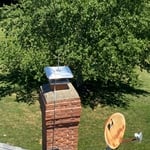
Chimney rod and conductor cable
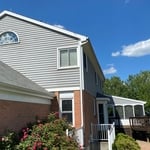
Front of home,system is barely noticeable
Hiding the cables best we can
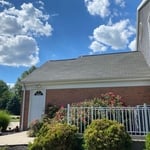
Rear of home
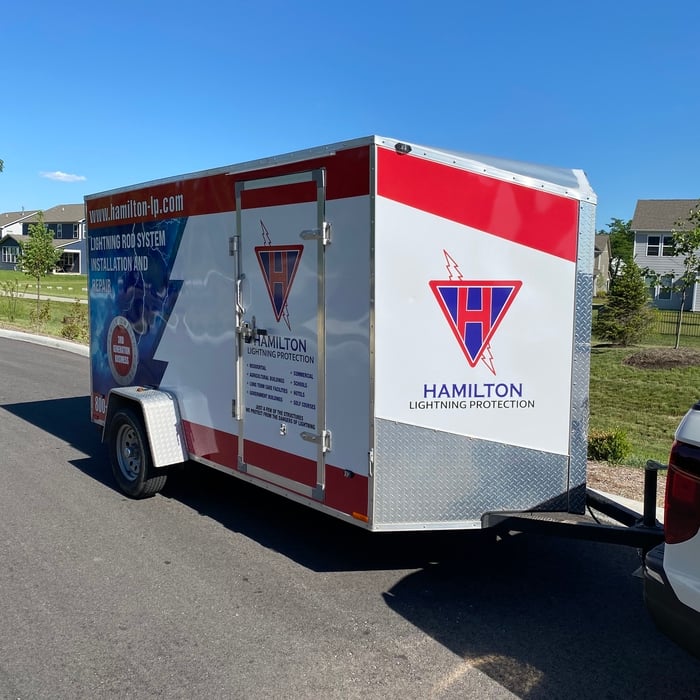
Work trailer

+4

Response time1 day
40 neighbors recently requested a quote
Recommended by100%of homeowners

Avatar for W B Lightning Rods
W B Lightning Rods
4.6(
369
)
Lightning Protection - Install or Repair

Serving Tobaccoville, NC and surrounding areas

Approved

In business since 2001

Free estimates

Warranties offered

"Very nice and professional. Price was in the average range of what we had researched and cheaper than our other two estimates. Work was awesome. The system is installed and is barely noticeable. I definitely recommend WB Lightning Rods."
lightning protection
 Residential LPS
lightning protection
 Residential LPS
lightning protection

+79

Response time1 day
153 neighbors recently requested a quote
Recommended by97%of homeowners
...
Showing 1-10 of 239
Electrical questions, answered by experts

It might seem tempting to use 14-gauge wires for your outlets, as they can run a little cheaper. But, when it comes to electrical work, it’s best not to cut costs less you overload your circuit. A 12-gauge wire will ensure that you’re protecting the outlet (and your circuit breaker) from any potential overloads that might incur, as it can handle a little more amplitude than a 14-gauge wire.

If you find the power cables for your appliances are too short, there are ways to extend them for the cost of just the extra wiring you need. Simply cut and strip your wires, solder them together, and cover them using heat shrink tubing. Not everyone has a soldering tool on hand, so if you’re looking to extend in a pinch, an extension cord, power bar, or surge protector can do the job just fine.

In the United States, home outlets support a standard 15 amps, but you can upgrade per outlet if necessary. Most single-family residential homes have a maximum overall amp rating, usually 100 to 200 amps. Very old houses may have less than 100 amps, but that’s rare. Large homes often come with amp services above 200 amps to support modern lifestyles.

When installing an outdoor outlet, it's important to proceed with caution. Unless you have the necessary training and licensure, it's not recommended to attempt this DIY. First, choose a suitable location. Make sure that the area can accommodate the outlet without overloading the circuit. You'll also need to ensure that your project complies with building codes. Next, turn off the power to the circuit, then install and wire the outlet according to the manufacturer's instructions. Once the outlet is in place, test it. Lastly, be sure to use a cover that will protect it from moisture and other weather-related damage.

GFCI stands for ground fault circuit interrupter, which means it has the ability to detect a ground fault and shut the circuit down before it creates hazards. General breakers may also do that because ground faults can cause overloads, but they’re more focused on amp overloads from any cause. GFCIs are often installed in specific outlets, but breakers can come with GFCI capabilities built in for broader ground fault protection.

The Tobaccoville, NC homeowners’ guide to electrical services

From average costs to expert advice, get all the answers you need to get your job done.