



Top-rated electricians.

Get matched with top electricians in East Bend, NC

Enter your zip and get matched with up to 5 pros

TRUSTED BY EAST BEND, NC HOMEOWNERS

  • Average homeowner rating star icon4.7
    Average homeowner rating
  • Verified reviews icon215
    Verified electrical services reviews

Find Electricians in East Bend

Avatar for Bullseye Electrical LLC
Bullseye Electrical LLC
5.0(
3
)
Fixed Generator - RepairGenerator - Repair - For BusinessLightning Protection - Install or Repair+1 more

Serving East Bend, NC and surrounding areas

Approved

Super Service Award Winner

In business since 2025

Free estimates

Emergency services offered

"I recently hired Bullseyefor some electrical work, and I couldnโ€™t be more impressed. From start to finish, the communication was clear, the service was prompt, and the work was top-notch. They handled everything professionally and made sure the job was done safely and efficiently. It's rare to find a company that combines quality work with great customer service, but they nailed both. Iโ€™ll definitely be using them again for any future electrical needs and recommending them to friends and family!"
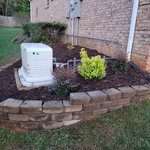
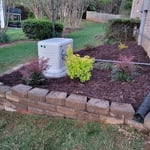
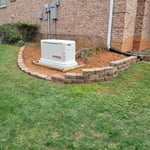
Generac Generator
Generac Generator
Generac Generator
Garage New wire
Garage New wire

+1

Response time4 hrs
...
Showing 1-10 of 172
Electrical questions, answered by experts

The key difference between a circuit breaker versus a surge protector is that circuit breakers shield your entire electrical system from overcurrents and faults, while surge protectors defend your electronic devices against voltage surges and spikes. A circuit breaker interrupts the flow of electricity in a circuit when it detects an overload or short circuit, protecting the wiring from damage and preventing fires. In contrast, a surge protector shields electronic devices from voltage spikes, such as those caused by lightning strikes or power surges, preventing damage to the device’s inner mechanics.

Most 200-amp panels have 40 to 42 slots, which can accommodate 40-42 single-pole breakers or 20 double-pole breakers. Some panels can accept even more circuits through the use of tandem breakers. The exact number of breakers allowed is determined by the panel manufacturer's rating, which you can find on the panel itself. It is important to avoid using all breakers at the same time; as a general rule, you should not use more than 160 amps of power at once to prevent overloading your 200-amp system. For specific guidance, it's best to check your panel's rating or consult with a qualified electrician.

While some doorbells go silent, others will ring constantly or randomly when they are on the fritz. A doorbell can ring continuously for a few reasons. The button may be stuck in the "on" position, causing the bell to sound repeatedly. Alternatively, one of the wires could have come loose and is touching a metal surface, causing the bell to short circuit and keep making noise.

Heated floors use less electricity than traditional heating systems. The average electric bill for running radiant floor heating nonstop is around $3 per day. For example, a 1,500-watt electric space heater costs around $4.80 per day, a 27,000-BTU electric boiler costs around $6.25 per day, and a 100,000-BTU electric heater costs $46 per day.

A small sump pump running infrequently uses an average of 10 kilowatt-hours (kWh) of electricity per month. The average cost for electricity is $0.171 per kWh. The size and use frequency affect how much electricity it uses. Sump pumps average one-third to one horsepower (hp) motors. One hp is equal to 745.7 watts. Watts multiplied by the time your pump is running divided by 1,000 equals your average kWh. Multiply kWh by your average cost of electricity. In areas with high rain or a marsh basin, the average cost can be as high as $15-$25 a month.

The East Bend, NC homeownersโ€™ guide to electrical services

From average costs to expert advice, get all the answers you need to get your job done.