

Top-rated electricians.

Get matched with top electricians in Danbury, NC

Enter your zip and get matched with up to 5 pros

Need a pro for your electrical service project in Danbury, NC?

Select your specific project to find the pro for you.

TRUSTED BY DANBURY, NC HOMEOWNERS

  • Average homeowner rating star icon4.6
    Average homeowner rating
  • Verified reviews icon94
    Verified electrical services reviews

Find Electricians in Danbury

Avatar for Bullseye Electrical LLC
Bullseye Electrical LLC
5.0(
3
)

Serving Danbury, NC and surrounding areas

Approved

Super Service Award Winner

In business since 2025

Free estimates

Emergency services offered

"I recently hired Bullseyefor some electrical work, and I couldn’t be more impressed. From start to finish, the communication was clear, the service was prompt, and the work was top-notch. They handled everything professionally and made sure the job was done safely and efficiently. It's rare to find a company that combines quality work with great customer service, but they nailed both. I’ll definitely be using them again for any future electrical needs and recommending them to friends and family!"
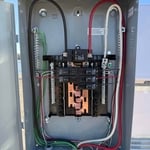
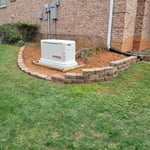
Generac Generator
Generac Generator
Generac Generator
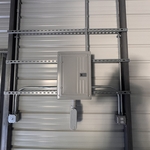
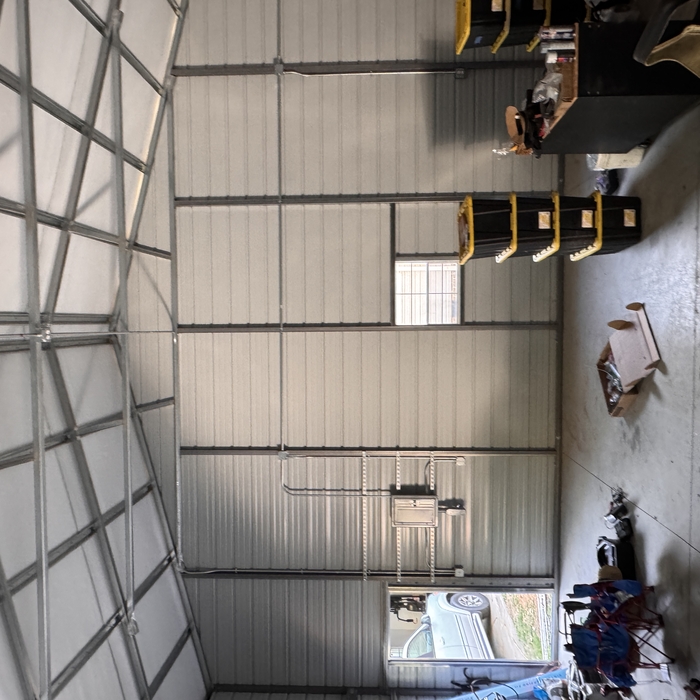
Garage New wire
Garage New wire

+1

Response time4 hrs
Avatar for W B Lightning Rods
W B Lightning Rods
4.6(
367
)

Serving Danbury, NC and surrounding areas

Approved

In business since 2001

Free estimates

Warranties offered

"We have been hit twice by lightning by God's grace either one hit our home however the last strike burnt art motorhome to the ground William was hired to install lightning protection lightning rods on our home and two out buildings he took the time to explain to us everything we needed to know answering every question professionally conducted himself in the utmost professional manner I would highly recommend lightning rods and even more highly recommended hiring William to do the job we are going to do an expansion later on and he will be the one and only contractor I will call to continue our lightning protection"
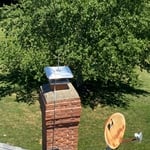
lightning protection
 Residential LPS
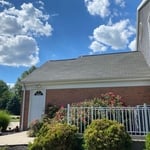
lightning protection
 Residential LPS
lightning protection

+79

Response time1 day
84 neighbors recently requested a quote
Recommended by98%of homeowners

...
Showing 1-10 of 160
Electrical questions, answered by experts

Window AC units use a fair amount of electricity, but significantly less than central AC systems. Because they are more energy-efficient for cooling individual rooms or small spaces, their usage is comparatively low. On average, a window AC unit consumes between 500 and 1,400 watts, while a central AC system uses over 3,500 watts—meaning a window unit uses about one-third of the energy. This typically translates to a monthly running cost of $15 to $40, although this can vary depending on external factors.

Any light bulbs made from toxic materials, such as CFL bulbs and fluorescent light tubes, should not be thrown in the garbage. These bulbs need to be sent to hazardous waste collection sites run by your municipality or sent through a specialized mail-back recycling program. Earth911 allows you to search and find a recycling location near you.

Yes, you can connect two extra outlets (or more) to one outlet if the total load on the circuit allows for it. If you have a 15-amp circuit, electrical code allows up to eight outlets or light switches. But if you’re dealing with outlets in the kitchen and bathroom, you may not be able to have as many. Kitchen and bathroom appliances often need higher amperage. You can also change a single outlet to a double outlet by cutting a larger hole in the drywall and replacing the outlet with a quad receptacle.

Short circuits can cause fires, electrical burns, and electrocution, which can lead to serious injury or even death. That’s why it’s important to take preventative measures to prevent short circuits, like getting annual electrical maintenance and an electrical inspection every two to five years, depending on the age of your home.

240V is the standard for more demanding appliances in the United States, whereas 220V is more common elsewhere. The voltage isn’t very different in any practical sense. The United States is a newer country compared to many other regions in the world with a faster adoption of new electrical needs. Appliances in the United States are often bigger than other parts of the world.

The Danbury, NC homeowners’ guide to electrical services

From average costs to expert advice, get all the answers you need to get your job done.