Top-rated electricians.

Best electricians near Colfax, NC

Enter your zip and get matched with up to 5 pros

TRUSTED BY COLFAX, NC HOMEOWNERS

  • Average homeowner rating star icon4.6
    Average homeowner rating
  • Verified reviews icon873
    Verified electrical services reviews

Top-Rated Electricians in Colfax - Updated Nov 2026

Avatar for Tru Electric
Tru Electric
4.6(
9
)
Electrical Switches, Outlets & Fixtures - Install or RepairElectric Vehicle Charging Station Installation - Materials Not ProvidedElectric Vehicle Charging Station Installation - Materials Provided by Consumer+1 more

Serving Colfax, NC and surrounding areas

Approved

Free estimates

Customers say: True professional

Tru Electric is a leader in providing our customers with the highest quality products and craftsmanship in an honest, efficient, and professional way. Our pledge is to create successful relationships with our customers, employees and community by building trust, treating every project with the utmost integrity and exceeding expectations. \n \nWe look forward to working with you!

1 neighbors recently requested a quote
Recommended by100%of homeowners
...
Showing 1-10 of 326
Electrical FAQs, answered by experts

In most cases, line wires are located at the bottom of a panel or device, while load wires are located at the top. Line wires are generally black, while load wires are typically red or black. To tell for sure, you can use a multimeter or volt pen to test the wire. A live or line wire will always carry a charge, while a load wire will only carry a charge when it’s in use.

If wiring in a relatively modern home is damaged due to sudden events like a fire, a tree falling into the house, or a flood, then homeowners insurance is very likely to cover the cost of replacing the wire.
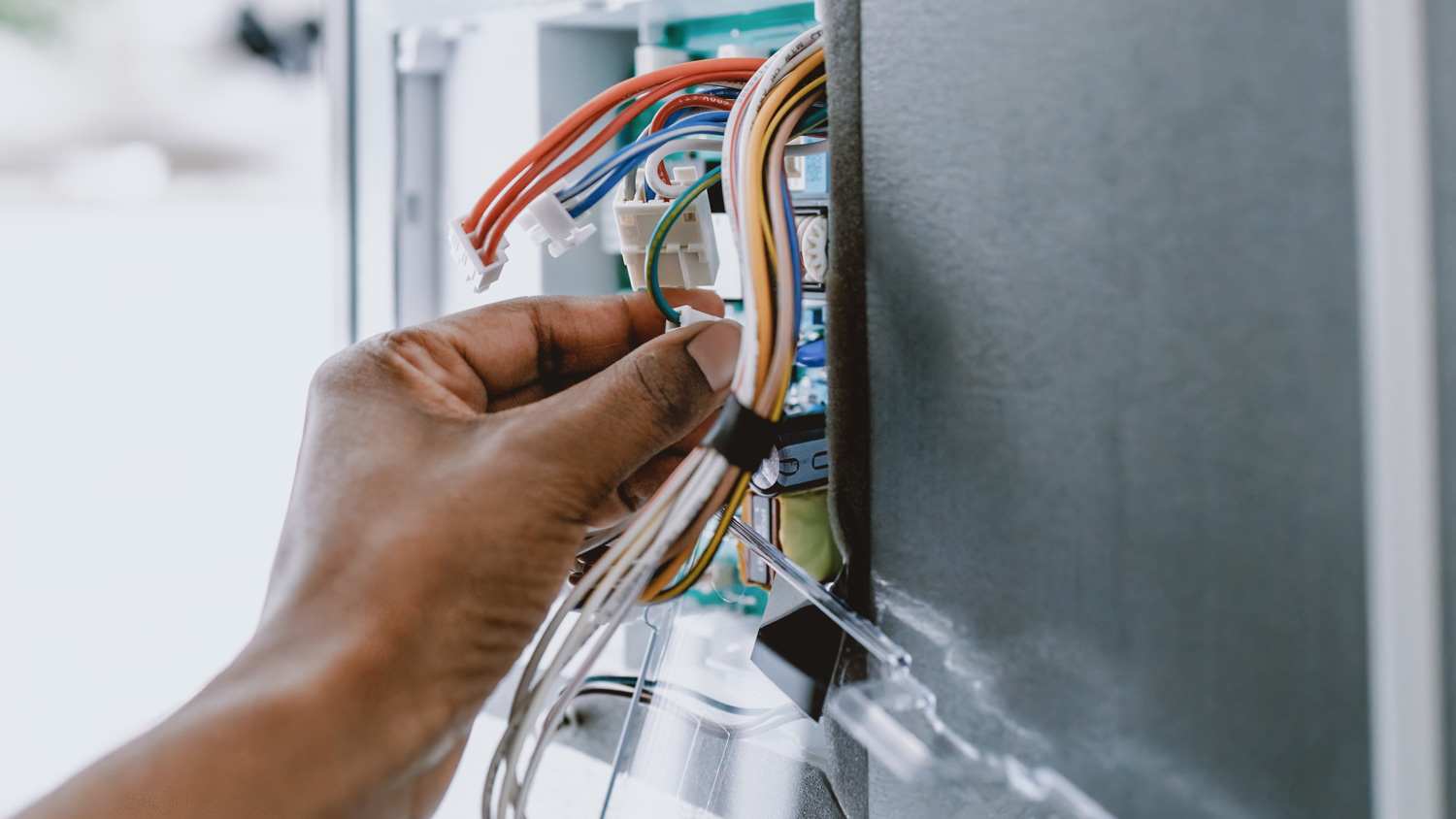
However, if it’s determined that wiring failed or started the fire because of age, neglect, or not meeting current electrical standards, then insurance won’t be covering any replacement. Also, insurance policies may charge more for particularly old kinds of wiring like aluminum wiring or deny applications altogether. 

To determine if an electrical outlet is blown, look for visible signs of damage such as a burning or smoky smell, burn marks, or a melted or discolored plastic cover. If you notice a burning smell, contact an electrician immediately. Other signs include a plug that keeps falling out or the outlet not working when you test it with different devices. For further troubleshooting, you can use a voltage tester or multimeter to check for power; a reading of zero indicates a problem. Also, check your circuit breaker or fuse box to see if the circuit was tripped and reset it if necessary. If these steps don't resolve the issue, the outlet may need to be replaced.

Upgrading your electrical panel is often worth the cost for safety, improved electrical performance, and potential long-term savings. A primary benefit is preventing electrical fires and other hazards from a malfunctioning panel, ensuring your household's safety. An upgraded panel also provides a steady flow of electricity, eliminating issues like flickering lights and frequently tripped breakers. It allows you to connect additional appliances without overloading the system, which is especially beneficial for older homes with 100-amp service that are prone to overheating. If you run large appliances like central air conditioning, heating systems, hot tubs, or saunas, you might consider upgrading to a 300- or 400-amp service to meet the higher electrical demand. Furthermore, an upgrade can lead to long-term savings on energy bills and potentially lower insurance costs.

Several signs can indicate a light switch is bad. If the switch feels loose, slides down after you flip it, or requires multiple flicks to turn the light on, it may be failing. Other common indicators include flickering lights or a general failure to turn the light on or off. Pay attention to any unusual sounds, such as crackling, buzzing, or popping when you operate the switch. More serious signs, which can present a fire or shock hazard, include the switch feeling excessively warm or hot, sparking, smoking, or emitting a burning smell. If you notice any of these dangerous signs, stop using the switch immediately and call an electrician.

The Colfax, NC homeowners’ guide to electrical services

From average costs to expert advice, get all the answers you need to get your job done.