


Top-rated excavation pros.

Get matched with top excavation pros in Liberty, NC

Enter your zip and get matched with up to 5 pros

Need a pro for your excavation project in Liberty, NC?

Select your specific project to find the pro for you.

TRUSTED BY LIBERTY, NC HOMEOWNERS

  • Average homeowner rating star icon4.7
    Average homeowner rating
  • Verified reviews icon20
    Verified excavation services reviews

Find Excavation pros in Liberty

Avatar for Chucks Grading and Landscaping
Chucks Grading and Landscaping
4.4(
7
)
Landscape - Minor Grading or ReslopingExcavation - Major Grading or Resloping

Serving Liberty, NC and surrounding areas

Approved

In business since 2001

Free estimates

Credit card accepted

"Chuck went above and beyond to make our yard just the way we wanted it. He definitely has experience. He was very fair and reasonable. He was helpful, honest, quick to respond and completed the job in a timely manner. We would definitely hire him again and recommend him!"
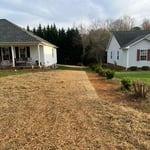
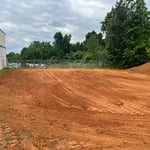
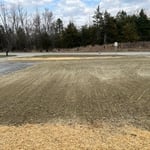
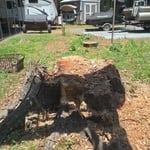
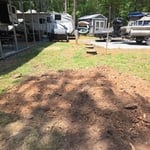
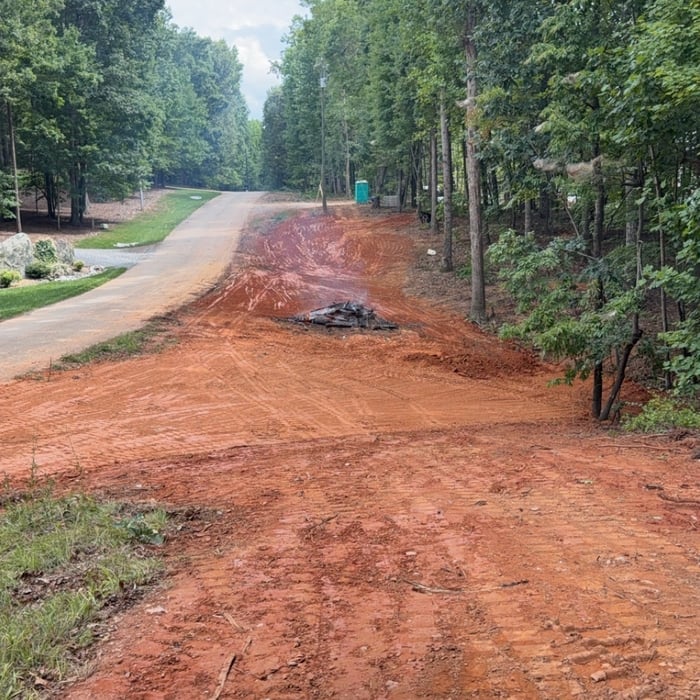
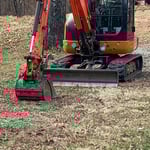
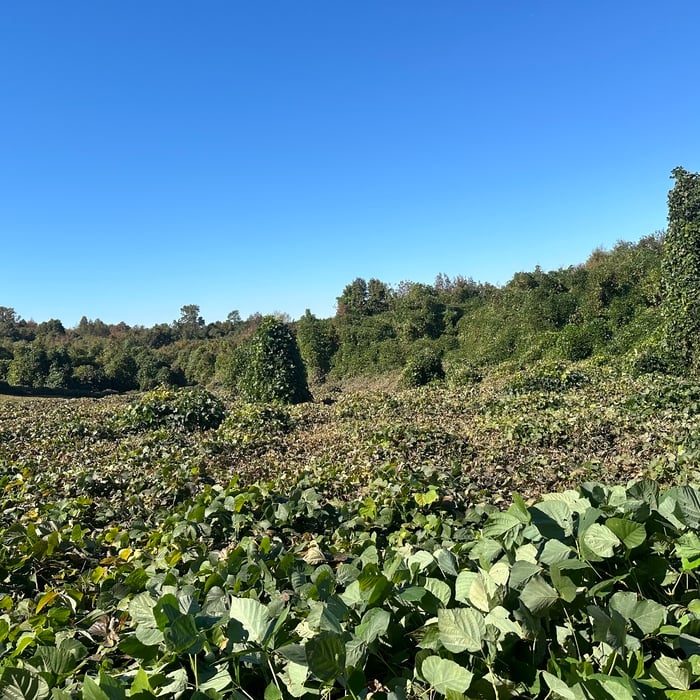
Land Clearing (After)
Land Clearing (Before)
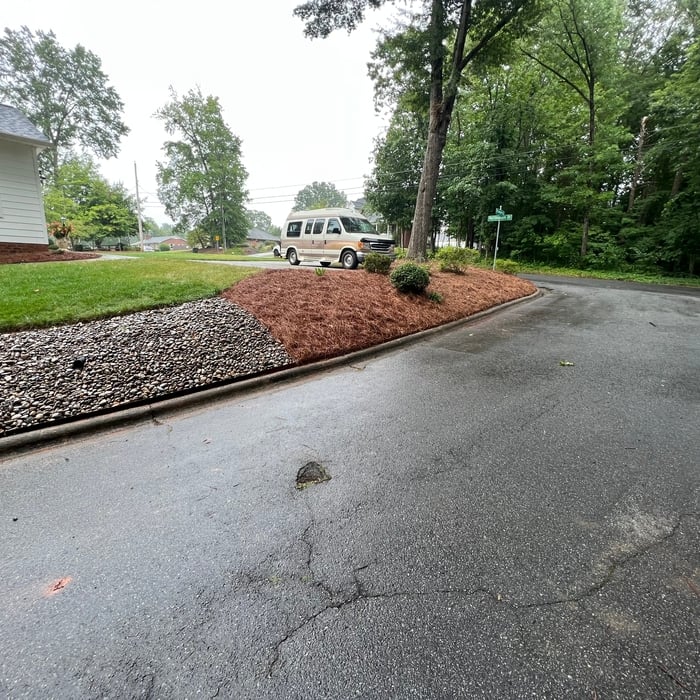
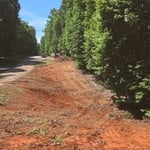
Excavation
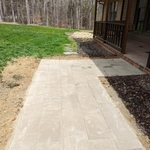
Brick Patio Installation
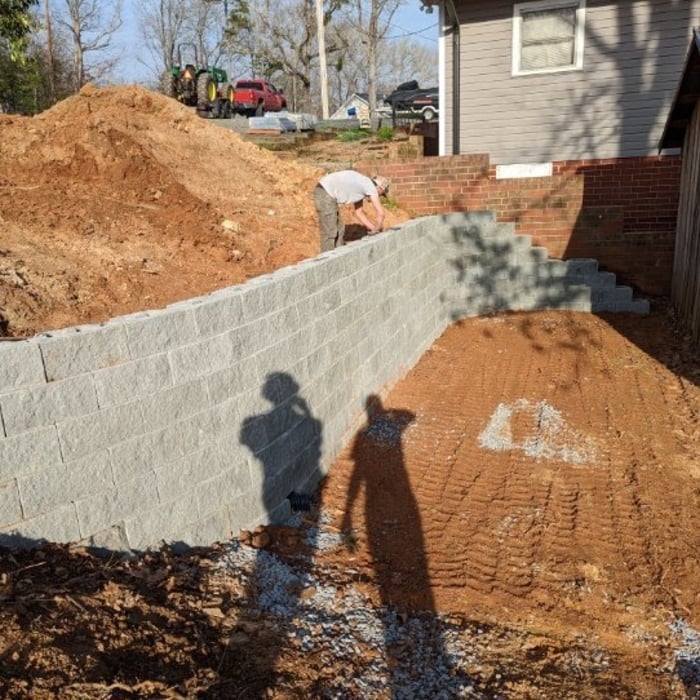
Excavation & Brick Wall Installation

+18

Response time9 hrs
16 neighbors recently requested a quote
Recommended by83%of homeowners
...
Showing 1-10 of 140
Excavating questions, answered by experts

Excavation is priced in cubic yards, so you’ll need to find the volume of the area in order to calculate costs. Multiply the length, width, and proposed depth of your excavation site, then convert it into yards to get the volume. Multiply this figure by the price per cubic yard.

Most homeowners can measure by hand to get a rough estimate, even if it’s tedious. You may want to pull out a tape measure or use a string to help mark the area.
The best way to protect tree roots is to avoid the roots entirely by excavating outside the root radius of the tree. For nearby projects, it’s a good idea to construct a temporary retaining wall. But that’s not always possible, depending on the project and the root system. In these cases, consider using alternative equipment like an auger to tunnel under the ground.

Remember, tree roots can damage nearby cement foundations as they grow. If a tree is close enough to interfere with large excavations, it may be better to remove the tree than risk future problems.

A crawl space can be as little as 42 inches below the grade of your house, but this is not always recommended in flood-prone areas. At a minimum, there must be at least 16 inches of clearance between the ground and the floor joists to access the space in an emergency.

Concrete blocks are the cheapest way to base a shed. However, the space in between allows critters to go under, burrow, and even damage your shed’s frame. For a more pest-proof option, consider building a shed base with gravel or paver stones. Both options are fairly affordable and easy enough for a DIY project. For gravel, you can build a wooden frame to contain the loose material.

In the United States, a depth of 36 inches (three feet) for underground water lines is the accepted industry standard. This depth varies from location to location based on local conditions. In areas with colder winters, they may be buried deeper to prevent frozen well water pipes : This is usually at least six inches below the frost level. The International Plumbing Code calls for a minimum of 12 inches below grade.

The Liberty, NC homeowners’ guide to excavation services

From average costs to expert advice, get all the answers you need to get your job done.