





Top-rated excavation pros.

Get matched with top excavation pros in Bear Creek, NC

Enter your zip and get matched with up to 5 pros

Need a pro for your excavation project in Bear Creek, NC?

Select your specific project to find the pro for you.

TRUSTED BY BEAR CREEK, NC HOMEOWNERS

  • Average homeowner rating star icon4.2
    Average homeowner rating
  • Verified reviews icon19
    Verified excavation services reviews

Find Excavation pros in Bear Creek

M&D Property Solutions
4.5(
23
)
Building Site - Preparation and ClearingBuilding Site - Preparation and Clearing - For BusinessLandscape - Minor Grading or Resloping

Serving Bear Creek, NC and surrounding areas

Approved

In business since 2017

Emergency services offered

Warranties offered

"Needed fencing installed to keep groundhogs from taking up residence under our deck. Brady came up with a creative and complete solution that made sure the varmints were out and would not return. Would use again."
Master bedroom
Master bedroom
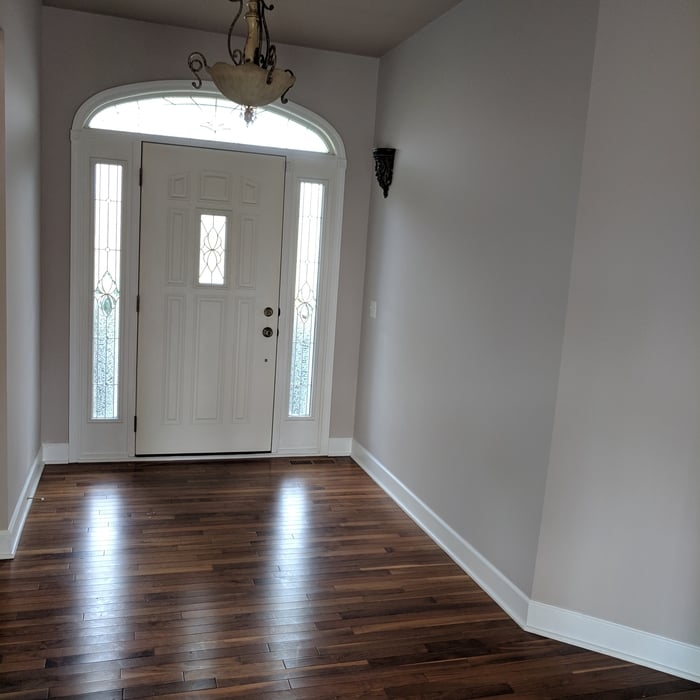
Front hall
Living area
Entry

+10

Response time1 day
1 neighbors recently requested a quote
Recommended by100%of homeowners
Avatar for Overbay Construction, LLC
Overbay Construction, LLC
5.0(
7
)
Building Site - Preparation and ClearingExcavation - Major Grading or ReslopingLandscape - Minor Grading or Resloping

Serving Bear Creek, NC and surrounding areas

Approved

In business since 2022

Free estimates

Warranties offered

"Matt was exceptional regarding our project . I found him to knowledgeable, understanding and creative in his approach. He always made time for our concerns and helped us with solutions. My neighbors even commented on what good job he was doing .. I highly recommend Matt."
Apex, Wall and Flagstone
wall steps flagstone
Planters with steps
planters

+27

Response time8 hrs
7 neighbors recently requested a quote
Recommended by85%of homeowners

...
Showing 1-10 of 117
Excavating questions, answered by experts

A walk-behind trencher can cut through roots as long as they’re not too thick, making a project much easier than digging with a shovel and other hand tools. Assess your terrain and the number of trees in the surrounding area to determine if a walk-behind trencher will ease the job. Digging a trench by hand is much more time-consuming and labor-intensive. 

There are several methods to hollow out a tree stump, and the best one depends on your tools, experience, and priorities. Common methods include using a chisel and hammer, a chainsaw, or burning.

  • Chisel and Hammer: This is often considered the easiest approach for those with limited tools or experience, though it is the most time-consuming.

  • Chainsaw: Using a chainsaw is the fastest method, but it comes with significant safety risks, especially for inexperienced users.

  • Burning: This can be an effective method, but it is not recommended unless you can first drill holes into the stump. Without holes, the stump will be difficult to light and may not burn completely through.

A power drill with at least a ⅜-inch diameter bit can make the job quicker and easier, regardless of the primary method. While you can use a chisel or chainsaw without a drill, it will require more time and effort. Always wear protective goggles and thick gloves, as splinters are an inevitable risk.

Excavation is priced in cubic yards, so you’ll need to find the volume of the area in order to calculate costs. Multiply the length, width, and proposed depth of your excavation site, then convert it into yards to get the volume. Multiply this figure by the price per cubic yard.

Most homeowners can measure by hand to get a rough estimate, even if it’s tedious. You may want to pull out a tape measure or use a string to help mark the area.

Trenching and boring are two distinct methods for installing underground utilities. Trenching involves digging a channel using equipment like an excavator, trencher, backhoe, or shovel. While it is a simpler process, it causes significant disruption to the surface, landscaping, and surrounding ecosystems.

Boring, also known as directional boring, is a less invasive alternative that uses a drill to create a tunnel for utility lines without disturbing the surface. This method is more precise and is ideal for installations that need to go underneath buildings, roads, or bodies of water. Although boring is less disruptive, it is generally more expensive than trenching.

If you don’t wish to dig it out and convert it into a finished basement, you can still encapsulate your crawl space to protect it from damage for an average cost of $5,500. Finishing a crawl space beyond this isn’t really worthwhile, as the low ceilings mean you won’t be able to use the area as living space.

The Bear Creek, NC homeowners’ guide to excavation services

From average costs to expert advice, get all the answers you need to get your job done.