We are dedicated to providing our clients with the very best in remodeling and repair work. With over 10 years of experience, we take an enormous amount of pride in the attention of detail put into each of the projects we are involved in. We are known for our quality work and the integrity of our business practices. Have an emergency? You can count on us to answer the call and we will be happy to help. We look forward to building long-term relationships with our clients and guarantee your satisfaction. Call us today for a quote!
We pride our company on reliability, great communication,\nintegrity, and quality work. We are experts in our trade and will do our best\nto keep you as educated as we can on your particular task or project. We look\nforward to earning your business!\nProud to support our heroes! We offer a discount on all services for military members, veterans, and first responders. Please mention this offer when requesting your quote!\n
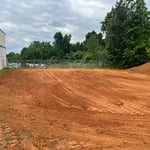
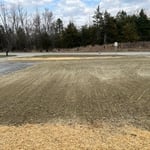
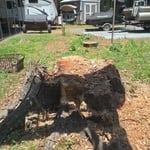
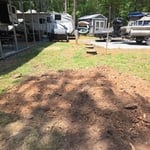
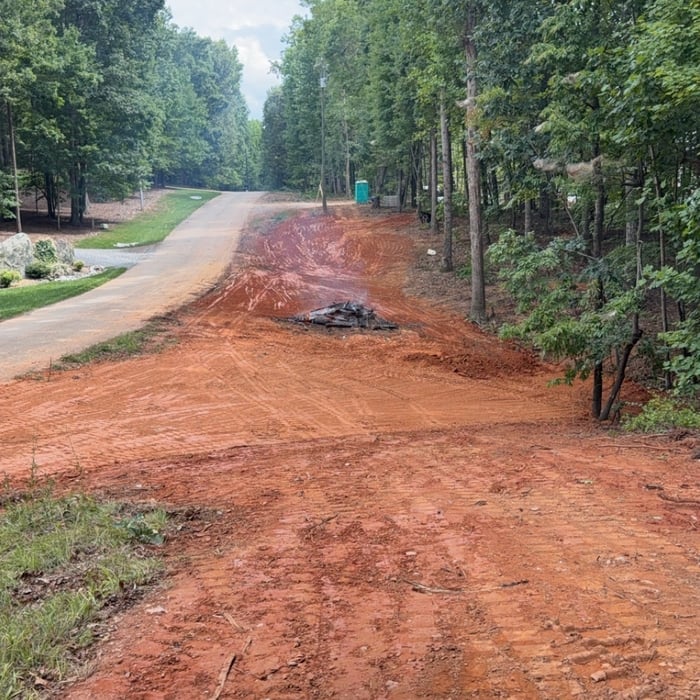
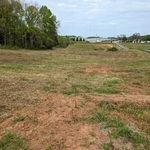
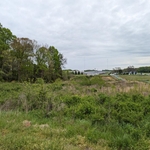
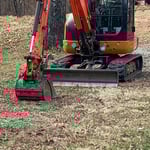
Grading, Lot Clearing, Septic, and Property Management Services\n\nAre you planning a construction project and in need of grading, lot clearing, or property management services? Look no further! At GroundShapersLLC, we've got you covered.\n\nWe specialize in providing quality grading and lot clearing services to prepare your site for construction, landscaping, or any other project you have in mind.\n\nBut that's not all! Services include: demolition, drainage systems, driveway maintenance/installation, etc.\n\nContact us for quality and honest work!\n
With over 10 years of combined expertise in various forms of land management. Together, we pride ourselves in transforming outdoor spaces tailored to your vision. From routine lawn care to skilled dirt work services and everything in between, our team is dedicated to excellence.\n\n* Reliable, quick and detail oriented landscaping and excavation special *Skilled professionals dedicated to producing quality land management services in a timely manner.\n* Prioritizing client satisfaction with personalized, attentive service.\n\nWe are proud to serve our neighbors with reliable, honest work by treating every property like it's our own. We understand the value of serving the community that we call home. We tailor our services to meet your unique needs and vision, ensuring complete satisfaction of every job.\nWe hold ourselves to the same standards on every job. Punctuality, integrity, and quality workmanship are the foundation of everything we do. Contact us today!
We are a locally owned and operated company that values honesty and integrity and treats your home as if it were our own. We have many years of experience to give you confidence that we are your number one choice for your next home project. You will find us to be competitively priced with close attention to the details. We look forward to building a lasting relationship and guarantee your satisfaction!
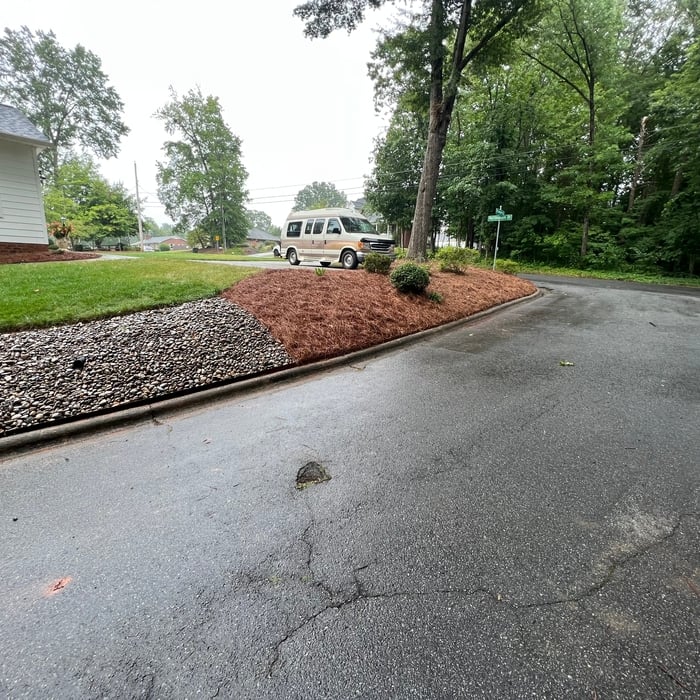
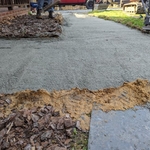
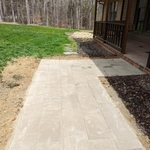
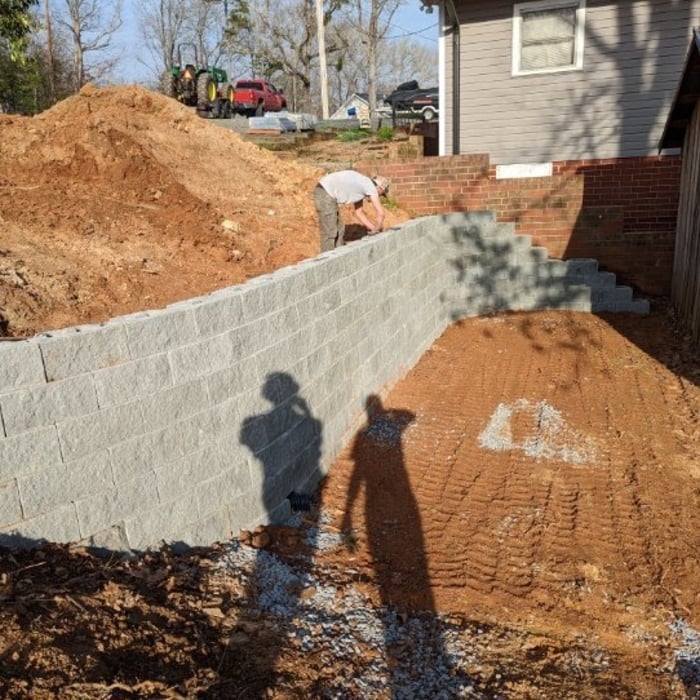
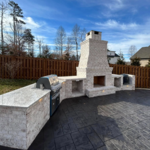
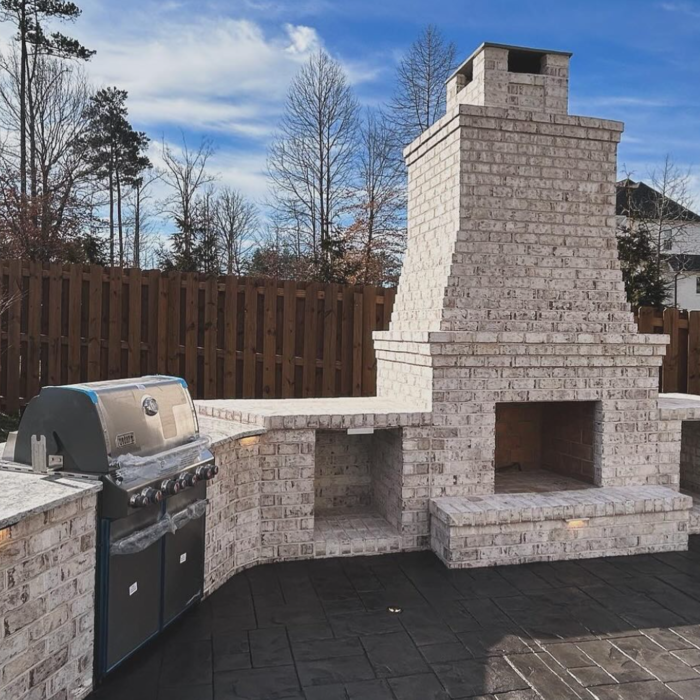
Milliken Outdoor Service is a full-service outdoor solutions company dedicated to transforming and protecting your property with craftsmanship you can trust. We specialize in French drains, gutter drains, hardscape and design such as paver patios, retaining walls, walkways, small grading projects, brush removal, concrete work, junk removal, and a wide range of customizable services tailored to your needs. What sets us apart is our strive to make your vision your reality. \n\nWe make sure the job is done right, built to last, and creates an overall comfort to your yard. Whether you need better drainage, a new patio area, or simple cleanup and prep work, we show up, work hard, and treat your property like our own. Where quality and luxury meets your yard.
We invite you to experience a tradition of customer satisfaction that will exceed your greatest expectations. Our professionalism and quality workmanship will accurately reflect your taste and lifestyle. From conception to completion we work with you until the job is done. We thrive to take care of all of our clients unique needs. We are ethical, honest and easy to communicate with. Call us today you'll be pleased you did. Thank you!
We have the experience, and we are committed to providing quality workmanship and superior customer service on all our applications. We at \nOG & Sons Grading, LLC strive to maintain our reputation as a high quality, very service-oriented company with our main focus being customer satisfaction.
We are a leading provider of innovative and high-quality landscaping services for residential and commercial properties. With years of experience in the industry, we take pride in our ability to transform ordinary outdoor spaces into extraordinary ones that are beautiful but also functional and sustainable.
Call 811 to locate and mark the gas lines at least three days before digging. In many areas, you can dig within 18 inches of the lines, though in some locations, the distance may be further. Check local regulations, as you may need a utility company representative onsite when digging. Document your calls to 811 and precautions taken to avoid gas lines. A homeowner can be held liable for hitting a gas line in some cases, but contacting the proper authorities and following all guidelines can offer protection.
While you can save some money by digging your own pool, you may end up paying more in construction equipment rental fees in the long run. You could, however, focus your DIY energies on lowering the cost of leveling your lawn for your pool or filling in surrounding landscaping after construction.
Trenches are typically 12 to 24 inches deep and 8 inches wide. However, the required depth depends on the specific project and local ordinances. For example, a French drain may need to be 18 inches deep, while a water pipe might require a depth of 24 inches and a drainage pipe 36 inches. Your city or county may have specific regulations, so it's wise to consult with an excavation professional to determine the correct depth for your project.
Digging a well can cost between $20 and $25,000,depending on your needs. If you’re looking to dig a well yourself, all you need is a shovel. If you’re looking to have a well drilled by a professional, you can expect to pay around $15 to $30 per foot. The total cost of drilling a well will average to $5,500.
To locate an underground downspout, you should start by identifying where the above ground gutter drains. Look for an entry point, such as a pipe or elbow leading into the ground. Follow the surface path for signs like depressions, landscaping disruptions, or wet areas after rain. You can use a metal detector or plumber’s snake to trace the pipe underground. For deeper pipes, a professional locator tool or camera inspection may be necessary. Visual markers or utility maps can also guide the search.
The Randleman, NC homeowners’ guide to excavation services
From average costs to expert advice, get all the answers you need to get your job done.
Excavation costs $1,500 to $6,300 for most residential projects—but it depends on factors like the size of the area. This guide will help you plan a budget.
You can't have an in-ground pool without digging into the ground. How much does pool excavation cost, and can you take it on yourself? Our guide explains.
Picking the right pro can make or break your project. Learn how to hire an excavation pro with the qualifications and skillset to do the job efficiently.