Welcome to Outdoor Experts! We are committed to exceeding your expectations. As experts, we will handle your needs with the high quality expertise, that your home or business deserves. We offer competitive prices, and customer satisfaction is our number one priority. Call us now!
Deep River Landworks is a Veteran-Owned and Operated business proudly serving the Piedmont Triad region of North Carolina. Backed by over 30 years of industry experience, we provide professional land management and property improvement services with a commitment to quality, integrity, and customer satisfaction.
\n
\nOur success is built on delivering exceptional workmanship, reliable service, and open communication throughout every project. We take pride in understanding our customers' needs and exceeding their expectations through attention to detail and a dedication to getting the job done right the first time.
\n
\nAs a proud U.S. Veteran, the owner brings the same values of honor, discipline, and commitment to serving your property as he did serving our country. Whether your project is large or small, you can count on Deep River Landworks for superior results, dependable service, and lasting quality.
\n
\nCall today for your FREE estimate: 336-265-1170
We are dedicated to providing our clients with the very best in remodeling and repair work. With over 10 years of experience, we take an enormous amount of pride in the attention of detail put into each of the projects we are involved in. We are known for our quality work and the integrity of our business practices. Have an emergency? You can count on us to answer the call and we will be happy to help. We look forward to building long-term relationships with our clients and guarantee your satisfaction. Call us today for a quote!
We take great pride in our experience, expertise, quality, and customer service that we provide to meet the consumer's needs. It is our mission to provide excellent workmanship and complete customer satisfaction from start to completion of a project. In order to understand the needs and expectations of our customers, we take great care to work and communicate with every customer in a professional manner. Our reputation is based on service, safety, and quality, regardless of how large or small the job.
We pride our company on reliability, great communication,
\nintegrity, and quality work. We are experts in our trade and will do our best
\nto keep you as educated as we can on your particular task or project. We look
\nforward to earning your business!
\nProud to support our heroes! We offer a discount on all services for military members, veterans, and first responders. Please mention this offer when requesting your quote!
\n
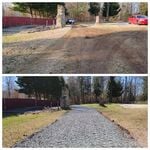
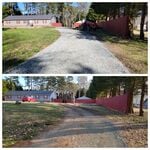
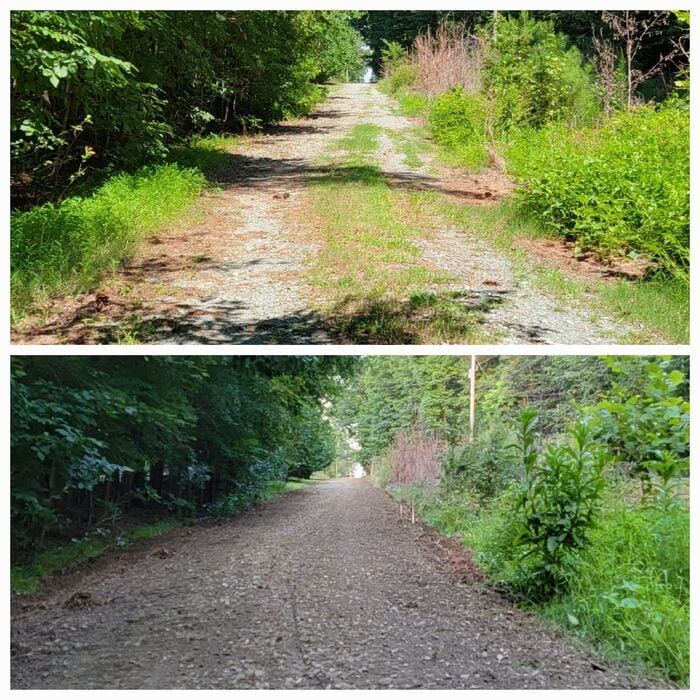
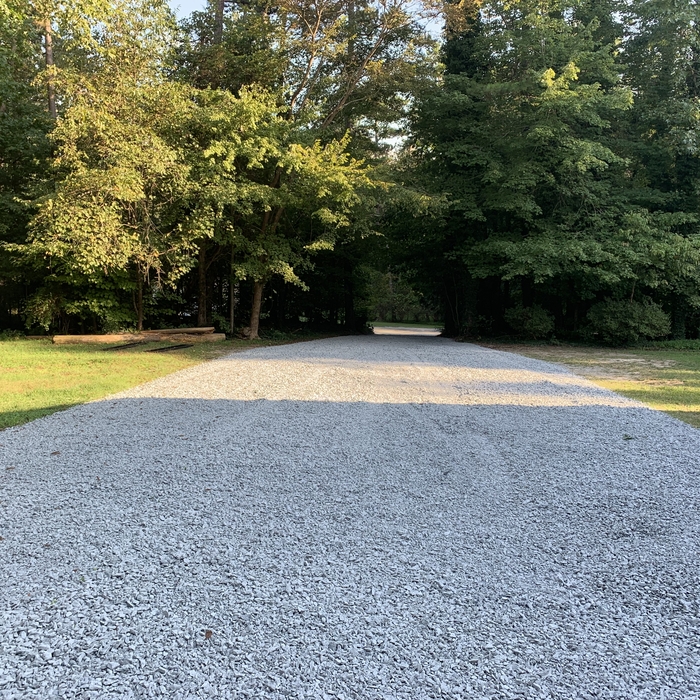
Grading, Lot Clearing, Septic, and Property Management Services\n\nAre you planning a construction project and in need of grading, lot clearing, or property management services? Look no further! At GroundShapersLLC, we've got you covered.\n\nWe specialize in providing quality grading and lot clearing services to prepare your site for construction, landscaping, or any other project you have in mind.\n\nBut that's not all! Services include: demolition, drainage systems, driveway maintenance/installation, etc.\n\nContact us for quality and honest work!\n
Greener Horizons Enterprises, LLC was founded in 2020 and has built a strong reputation in the triad area's Grading and land development industry with a decade of hands-on experience. Our expertise encompasses a wide range of services, including land clearing and land development, grading and excavation, landscaping, hardscaping, tree services, and junk removal. What sets us apart is our commitment to perform quality work. We pride ourselves on our approach to each project, ensuring we meet and exceed our client's expectations and turn their outdoor dreams into reality. Our galleries collections of photos from previous construction projectscan attest to the amount of time, thought, and effort that we put into the services we provide
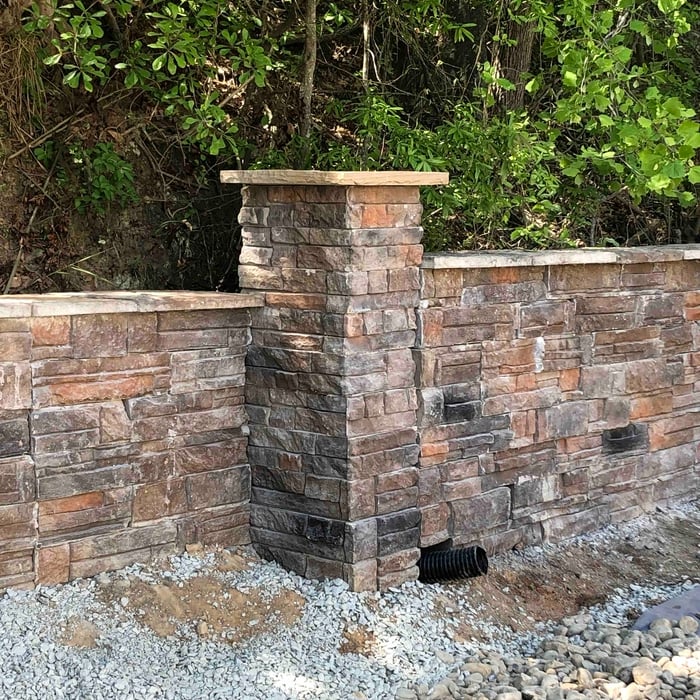
With over 22 years of experience, Yates Landscaping Company is a trusted provider of professional concrete, hardscape, and commercial landscape maintenance services throughout Forsyth and Guilford Counties. Our reputation is built on quality workmanship, reliability, and a commitment to customer satisfaction. What sets us apart is our professionalism, attention to detail, and extensive industry expertise. We specialize in concrete driveways, patios, walkways, steps, concrete floors, stamped concrete, retaining walls, and concrete sawing and removal for both residential and commercial properties. We also provide dependable commercial landscape maintenance services, helping businesses maintain attractive, well-kept properties year-round. Call Yates Landscaping Company today at (336) 414-9588 or email [email protected] for a complimentary estimate.
"Mr. Hawkins did excellent work and provided great customer service. He constructed the work as planned and provided advice that made the project perform better. The cost was lower than his competitors and he honored our verbal contract while leaving me very grateful I had hired him. I would call him again for any grading or excavator work, without hesitation."
Most states do not require excavation companies to hold specific licenses, but many require at least a contractor’s license. Additionally, heavy equipment operators require a special commercial equipment license to operate machinery required for excavation. You can use Angi’s contractor licensing tool to confirm that an excavation company you’re considering hiring is fully licensed. You should also make sure that the excavation team is fully insured before allowing them to work on your property.
Digging out a basement takes anywhere from a few days to a few months. Most projects take at least two to five weeks, but it could take several months if you encounter obstacles. This project takes longer if you need to brace or raise your home before the excavation. Digging out a basement in new construction can take as little as three days.
Hard soil could be a sign of overly dry dirt, either from poor drainage or drought. It's important to test the nutrient levels, density, and drainage capacity of your soil to see if it's absorbing water properly. Begin by adding a light layer of water and observing how long the soil retains moisture. If you experience a good deal of runoff, you may need to aerate your lawn, apply a wetting agent, or hire a professional for a closer look.
The time it takes to build a pool—and dig out the area—varies based on the pool size and type. A professional excavator will take between four and eight hours to dig a pool. The process will take longer if they encounter large boulders or tree roots. Keep in mind that this is a small part of the process in the long run. You will need between eight and 12 weeks to build a pool from start to finish, including the time to apply for permits.
The cost to repair a crawl space runs between $1,500 and $15,000, depending on the extent of the damage. Major flooding or water repairs can cost up to $10,000 for removal and repairs. If you simply need to clean your crawl space, expect to pay between $2,000 and $6,000 for a major cleanout. Replacing a crawl space beam due to rot or damage can cost between $1,500 and $5,000, while removing and replacing damaged insulation costs between $1,000 and $4,000.
The Jamestown, NC homeowners’ guide to excavation services
From average costs to expert advice, get all the answers you need to get your job done.
Excavation costs $1,500 to $6,300 for most residential projects—but it depends on factors like the size of the area. This guide will help you plan a budget.
You can't have an in-ground pool without digging into the ground. How much does pool excavation cost, and can you take it on yourself? Our guide explains.
Picking the right pro can make or break your project. Learn how to hire an excavation pro with the qualifications and skillset to do the job efficiently.