





Top-rated excavation pros.

Get matched with top excavation pros in McLeansville, NC

Enter your zip and get matched with up to 5 pros

Need a pro for your excavation project in McLeansville, NC?

Select your specific project to find the pro for you.

Find Excavation pros in McLeansville

M&D Property Solutions
4.5(
23
)
Building Site - Preparation and ClearingBuilding Site - Preparation and Clearing - For BusinessLandscape - Minor Grading or Resloping

Serving McLeansville, NC and surrounding areas

Approved

In business since 2017

Emergency services offered

Warranties offered

"Needed fencing installed to keep groundhogs from taking up residence under our deck. Brady came up with a creative and complete solution that made sure the varmints were out and would not return. Would use again."
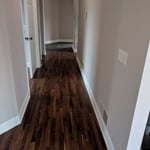
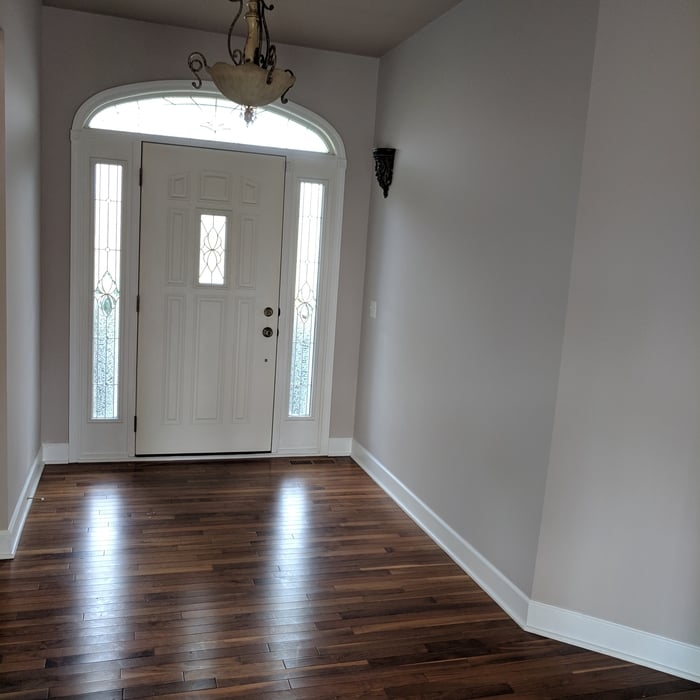
Master bedroom
Master bedroom
Front hall
Living area
Entry

+10

Response time1 day
Recommended by100%of homeowners
Avatar for H&C Excavating
H&C Excavating
5.0(
2
)
Building Site - Preparation and ClearingExcavation - Major Grading or Resloping

Serving McLeansville, NC and surrounding areas

Approved

In business since 2020

Free estimates

Offers commercial services

We pride our company on reliability, great communication,\nintegrity, and quality work. We are experts in our trade and will do our best\nto keep you as educated as we can on your particular task or project. We look\nforward to earning your business!\nProud to support our heroes! We offer a discount on all services for military members, veterans, and first responders. Please mention this offer when requesting your quote!\n

6 neighbors recently requested a quote
Recommended by100%of homeowners
...
Showing 1-10 of 163
Excavating questions, answered by experts

Sewer lines can be buried anywhere from 18 inches to 8 feet deep, with a common average depth between 18 and 30 inches. The exact depth depends on local factors like climate and soil type. In colder regions, pipes must be buried deeper (below the frost line) to prevent freezing, sometimes as deep as 8 feet. The digging depth can also impact the cost of sewer line replacement. To find the specific depth for your property, you can check the building plans for your system, which should be on file with your city or local sanitation department since permits are required for installation.

If you have a broken sprinkler pipe underground, there will be some signs you can easily spot to locate it and take action. These include leaks, water spouts, flooding, consistently damp areas on your lawn, low water pressure, and grass around the sprinkler head that’s taller and darker than anywhere else in the yard. 

If there are no obvious signs of a broken pipe, you can use tools such as water leak mics, leak noise loggers, audio devices that record leaks, and acoustic testing links. 

Broken pipes can lead to uneven watering, plant damage, and higher utility bills. The longer you wait to fix them the more the repair cost may be.

A trench that is less than 5 feet deep often doesn't require a protective system. Most residential trenches will not go this deep (the typical residential drainage trench is just 18 inches deep). In the event that an excavator needs to dig more than 5 feet beneath the surface, a protective system is required unless the excavation is in entirely stable rock.

Digging a bush up by the roots is the most natural DIY method for removing a bush stump. Start by identifying the shrub type and revealing its roots. Cut the shrub to its base and loosen the soil, ensuring no utility lines are nearby. Optionally, treat the base with herbicide, then dig around the roots and cut a circle around the shrub using various tools. Dig a trench, cut the base of the root ball, and finally fill the hole to prevent regrowth. This thorough process ensures complete removal without damaging surrounding areas.

The best way to protect tree roots is to avoid the roots entirely by excavating outside the root radius of the tree. For nearby projects, it’s a good idea to construct a temporary retaining wall. But that’s not always possible, depending on the project and the root system. In these cases, consider using alternative equipment like an auger to tunnel under the ground.

Remember, tree roots can damage nearby cement foundations as they grow. If a tree is close enough to interfere with large excavations, it may be better to remove the tree than risk future problems.

The McLeansville, NC homeowners’ guide to excavation services

From average costs to expert advice, get all the answers you need to get your job done.