





Top-rated excavation pros.

Get matched with top excavation pros in Julian, NC

Enter your zip and get matched with up to 5 pros

Need a pro for your excavation project in Julian, NC?

Select your specific project to find the pro for you.

TRUSTED BY JULIAN, NC HOMEOWNERS

  • Average homeowner rating star icon4.1
    Average homeowner rating
  • Verified reviews icon22
    Verified excavation services reviews

Find Excavation pros in Julian

Avatar for Parrish Clearing & Grading, LLC
Parrish Clearing & Grading, LLC
5.0(
4
)

Serving Julian, NC and surrounding areas

Approved

Super Service Award Winner

In business since 2024

Free estimates

Emergency services offered

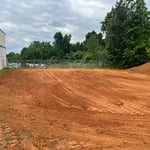
"We had our lot cleared for our new build (home, building and pool) but Parrish Clearing and Grading did an amazing job! They were timely, highly communicative and professional. I definitely would recommend their services for any job; big or small!"
Response time3 days
Response rate87%
2 neighbors recently requested a quote
Avatar for Evans LandWork
Evans LandWork
5.0(
5
)

Serving Julian, NC and surrounding areas

Approved

Super Service Award Winner

In business since 2010

Free estimates

Offers commercial services

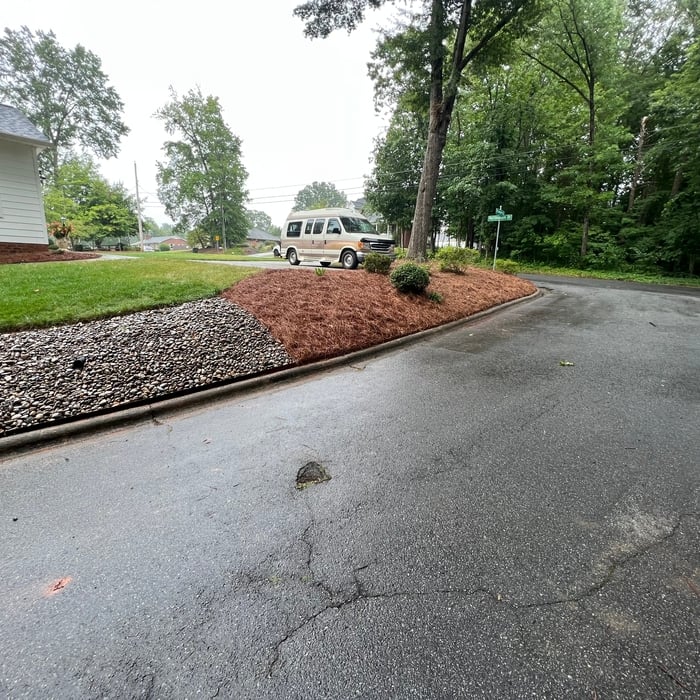
"I’ll give Mr John Evans of Evans Landwork 5 star review and more if I could. He did an excellent job on my driveway that had washout from all the rain we’ve had. He redid my entire driveway. Reworking the side ditch’s plus installed a drain pipe on the first day by himself. Working from about 9am to 7pm without stopping for lunch. Came back the next day packed everything in and then spread gravel. I was very impressed with his work ethic. Would definitely hire Evans Landwork again. He does very good work. C Webster"
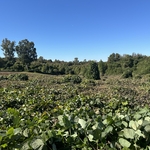
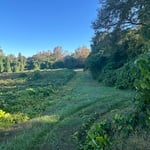
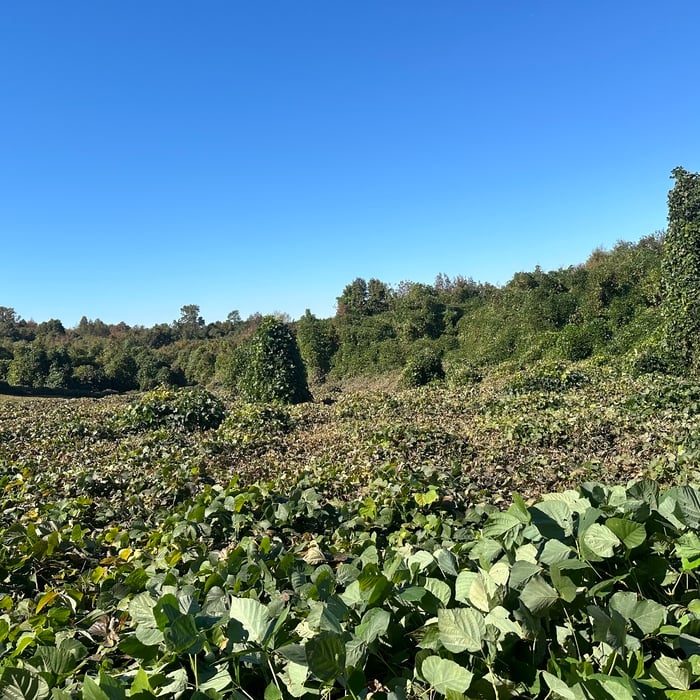
Clearing of kudzu
Clearing of kudzu
Clearing of kudzu
Clearing of kudzu
Clearing of kudzu

+8

Response time2 days
34 neighbors recently requested a quote
Avatar for Chucks Grading and Landscaping
Chucks Grading and Landscaping
4.4(
7
)

Serving Julian, NC and surrounding areas

Approved

In business since 2001

Free estimates

Credit card accepted

"Chuck went above and beyond to make our yard just the way we wanted it. He definitely has experience. He was very fair and reasonable. He was helpful, honest, quick to respond and completed the job in a timely manner. We would definitely hire him again and recommend him!"
Land Clearing (After)
Land Clearing (Before)
Excavation
Brick Patio Installation
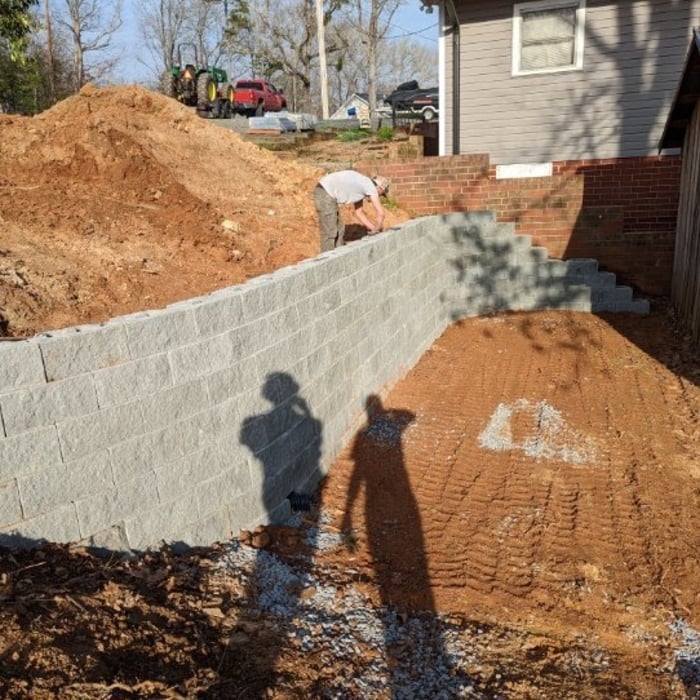
Excavation & Brick Wall Installation

+18

Response time9 hrs
11 neighbors recently requested a quote
Recommended by83%of homeowners
...
Showing 1-10 of 151
Excavating questions, answered by experts

The best method for digging a trench depends on the scope of the project. For a short, shallow trench (less than 2 feet deep) in light, soft soil, digging by hand may be sufficient. However, digging by hand is labor-intensive, so consider the effort required. A machine trencher is the better option for longer trenches (over 100 feet), deeper ones, or when dealing with difficult soil conditions, such as rocky or hard ground, or obstructions like tree roots. A machine can save significant time and energy in these situations.

Drilled wells have a pipe sticking up that’s covered in a plastic or metal casing. On the other hand, a dug well will look like a big hole in the ground and is more similar to what you’d see in a fantasy or Western movie. If you want to be sure, contact the city for documentation on your property’s construction and excavation history. 

Professional installers often include a deep layer of crushed gravel under permeable pavers to allow more runoff to soak through into the soil below. Many installations will include multiple layers of gravel, with coarser aggregate at the base and finer aggregate that sits on top of that bottom layer. Above the gravel, you’ll often find coarse sand that helps reduce paver shifting over time. Some permeable paver designs include a water collection system set into the gravel layer to route runoff to a safe area for disposal.



How deep your septic system needs to be into the ground depends on several factors. In extremely cold environments, the tank needs to rest below the maximum frost line, which can be up to six or eight feet deep. The standard burying depth for most systems is between a few inches and four feet below ground level. Depth can also depend on the slope of the landscaping and other property variables. 

A joint utility trench, or joint trench, is a long, buried ditch on a property that contains two or more utility lines rather than running the lines in multiple trenches. Some utilities, like gas and electric or electric and communication lines, are better suited to joint trenching, while others, like water and sewer, are not allowed to be in the same trench.

The Julian, NC homeowners’ guide to excavation services

From average costs to expert advice, get all the answers you need to get your job done.